15 Things Every Boomer Kid Did That Would Baffle Kids Today
For many Baby Boomers, childhood came with a different set of rules. Entertainment was scheduled, phones were shared, photos took time to appear, and finding something to do often meant using whatever was already around the house.
People born between 1946 and 1964 grew up across a period of major change in American life. An early Boomer child and a younger Boomer teenager could have very different experiences, but many everyday routines from that era now feel almost like a different world.
Here are some of the ordinary childhood habits that might make today’s kids wonder why everything took so much waiting.
Dialing Friends on a Rotary Phone
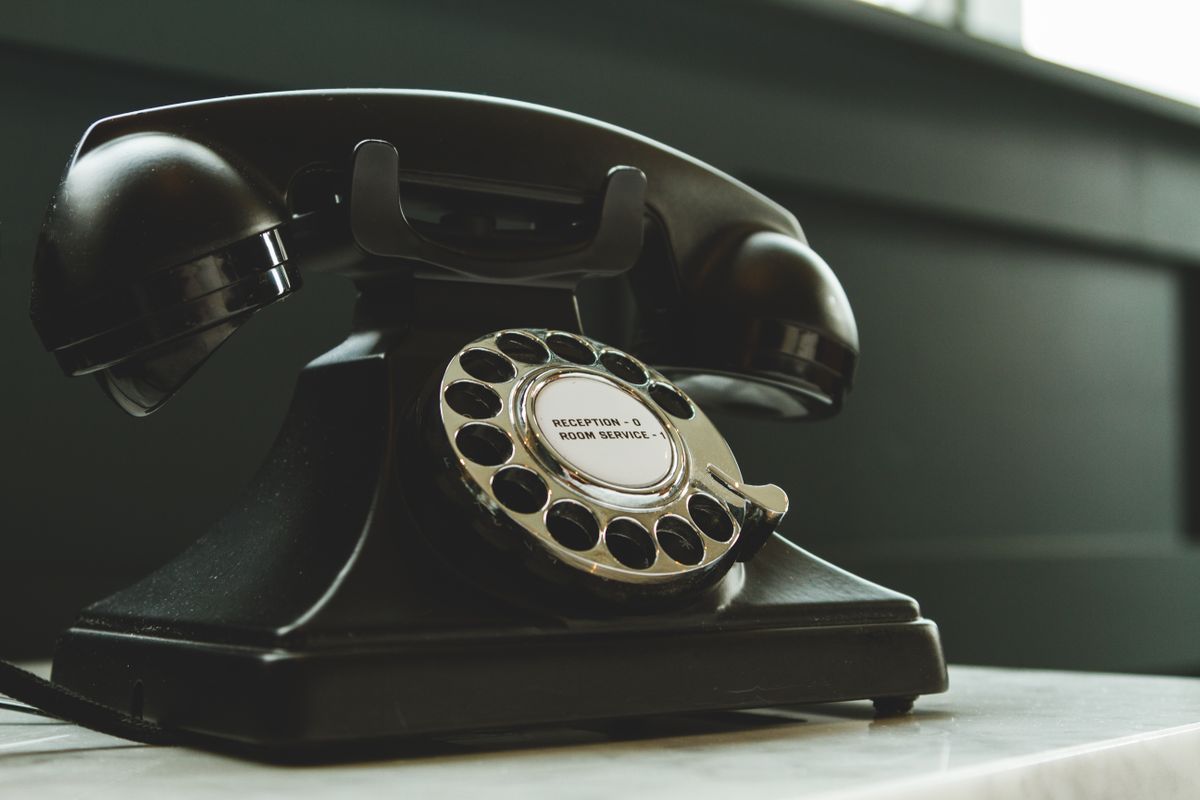
Before smartphones and contact lists, calling someone meant using a rotary phone. Each number required spinning the dial and waiting for it to return before moving on to the next digit.
A household phone was usually a shared device, meaning calling a friend could involve waiting your turn and hoping nobody else needed the line.
Related: 10 Timeless Habits From Boomers That Still Hold Relevance Today
Asking Permission to Use the Family Phone
A phone call was not always a private conversation. Many homes had one main phone in a shared area, so family members could easily know when someone was making a call.
Long-distance calls could also be expensive, making quick chats with friends or relatives a different experience from today’s instant messaging.
Watching Shows Only When They Aired
Television became a major part of American family life during the Boomer era. Household ownership grew rapidly, rising from about 9% in 1950 to more than 87% in 1960.
But watching a favorite show meant being there when it aired. There were no streaming libraries or easy ways to replay an episode whenever you wanted.
Waiting for Photos to Be Developed
Taking a picture did not mean seeing the result immediately. Film cameras required people to finish a roll and have it processed before they knew which photos turned out well.
A blurry picture or a missed moment could not simply be deleted and retaken.
Carrying a Metal Lunchbox
Metal lunchboxes were a popular school accessory from the 1950s through the mid-1980s. Many featured television and movie characters, turning a school item into a piece of personal style.
At their popularity peak, more than 120 million metal lunchboxes were sold.
Buying or Swapping 45 RPM Singles
Music often came in physical formats, and 45 RPM singles were a common way to own individual songs.
Instead of building a digital playlist, kids could buy records, trade them with friends, and collect the songs they wanted to hear again.
Searching for Music on the Radio
Finding a favorite song often meant listening and waiting. Radio listeners relied on stations and disc jockeys to play the songs they wanted.
There was no unlimited music library ready to search whenever a particular song came to mind.
Playing With Slinky, Hula Hoop and Mr. Potato Head
Some toys from the Boomer era became household names. Mr. Potato Head became the first toy advertised on television in 1952, Barbie debuted in 1959, and hula hoops and Slinkys became popular parts of mid-century play.
These toys became memorable because they encouraged hands-on play without requiring screens.
Making Entertainment With Low-Tech Toys
Many childhood toys relied on imagination rather than electronics. Building sets, toy cars, dolls, and string games gave children the basic materials and left much of the play up to them.
Electronic games arrived later in the Boomer era, changing the way some children interacted with toys.
Seeing Toy Commercials During Children’s TV
Children’s television also became an important place for toy marketing. Mr. Potato Head’s 1952 television campaign helped mark a shift toward advertising directly to young viewers.
As children’s programming grew, toy companies found new ways to connect products with young audiences.
Spending a Saturday at the Drive-In
Drive-in theaters were a major entertainment option during the middle of the 20th century. Families and teenagers could enjoy movies from their cars, creating a social experience that looked very different from watching films at home.
Before streaming and modern movie habits, a trip to the drive-in could be a major outing.
Hanging Out at a Soda Fountain
Soda fountains and drugstore counters were popular gathering places for young people during much of the 1950s and early 1960s.
They offered a place to meet friends, socialize, and spend time outside the home.
Playing Outside Without Constant Check-Ins
Many Boomer childhood memories include neighborhood roaming, bike rides, and self-organized games. These experiences reflected different expectations around supervision and safety compared with many children’s routines today.
However, childhood experiences varied widely depending on family circumstances, location, and other factors.
Joining Organized Youth Activities
The postwar population boom affected schools and communities, while youth activities such as Little League, Scouts and church youth programs grew.
For many children, these activities became part of growing up and connecting with their communities.
Growing Up With a Smaller TV World
Boomer children often shared a much smaller television universe. ABC, CBS, and NBC dominated network viewing, creating shared cultural moments among large audiences.
Today’s viewers can choose from countless channels, platforms, and personalized feeds, making those common viewing experiences less typical.
Why These Childhood Memories Feel So Different
The biggest difference is not simply the technology. It is the rhythm of everyday life.
Waiting was built into many activities. People waited for phone calls, waited for photos, waited for television shows, and searched for entertainment instead of instantly receiving it.
That does not mean every Boomer childhood looked the same. The generation includes nearly two decades of people whose experiences differed by location, family situation, and access to technology.
But these familiar routines remain a snapshot of a time when childhood often depended on shared spaces, physical objects, and a little more patience.