7 Household Habits That Make Electricity Bills Higher Than Necessary
The electricity bill has a way of arriving with attitude. One month it looks normal, then the next month it feels like your house has secretly opened a nightclub, a bakery, and a laundry business behind your back. Many people blame the utility company first, but the real problem often starts with small daily habits.
The good news is that most energy waste does not stem from a single dramatic mistake. It comes from little choices that feel harmless in the moment. Leaving a fan on, running half-empty loads, using hot water for everything, or treating the thermostat like a panic button can quietly push your bill higher than it needs to be.
Running the Thermostat Like a Remote Control

Many people treat the thermostat like it has magical speed powers. If the house feels hot, they drop the temperature very low. If the house feels cold, they push the heat way up. The problem is that extreme settings do not make the system work smarter. They often make it run longer, harder, and more expensively.
A steadier setting usually works better. Heating and cooling systems use a lot of energy, so constant changes can punish your bill. A programmable or smart thermostat can help by adjusting the temperature when you are asleep or away. Comfort matters, but your thermostat should not be fighting a daily emotional battle.
Leaving Lights and Fans On in Empty Rooms

This habit feels small, but it adds up because it happens repeatedly. A bedroom light stays on. A kitchen fan keeps spinning. A hallway bulb burns for hours even though nobody is walking through it. One forgotten light may not ruin your budget, but a house full of forgotten lights becomes a quiet money leak.
Fans are another common mistake because people forget that fans cool people, not rooms. When nobody is there to feel the breeze, the fan is just using electricity for an empty audience. Turning off lights and fans when leaving a room is one of the simplest habits in the home, and it works because it cuts waste immediately.
Washing Everything With Hot Water

Hot water feels powerful, so many people use it for every load of laundry. Towels, shirts, jeans, socks, and casual clothes all get the same hot wash treatment. The issue is that heating water takes energy, and many everyday loads do not need that much heat to get clean.
Cold water works well for many fabrics, especially when using a good detergent. It can also help protect colors and reduce wear on clothes. Hot water still has its place for certain heavily soiled items, but using it automatically for everything can make your electricity bill heavier than necessary.
Running Half-Empty Machines
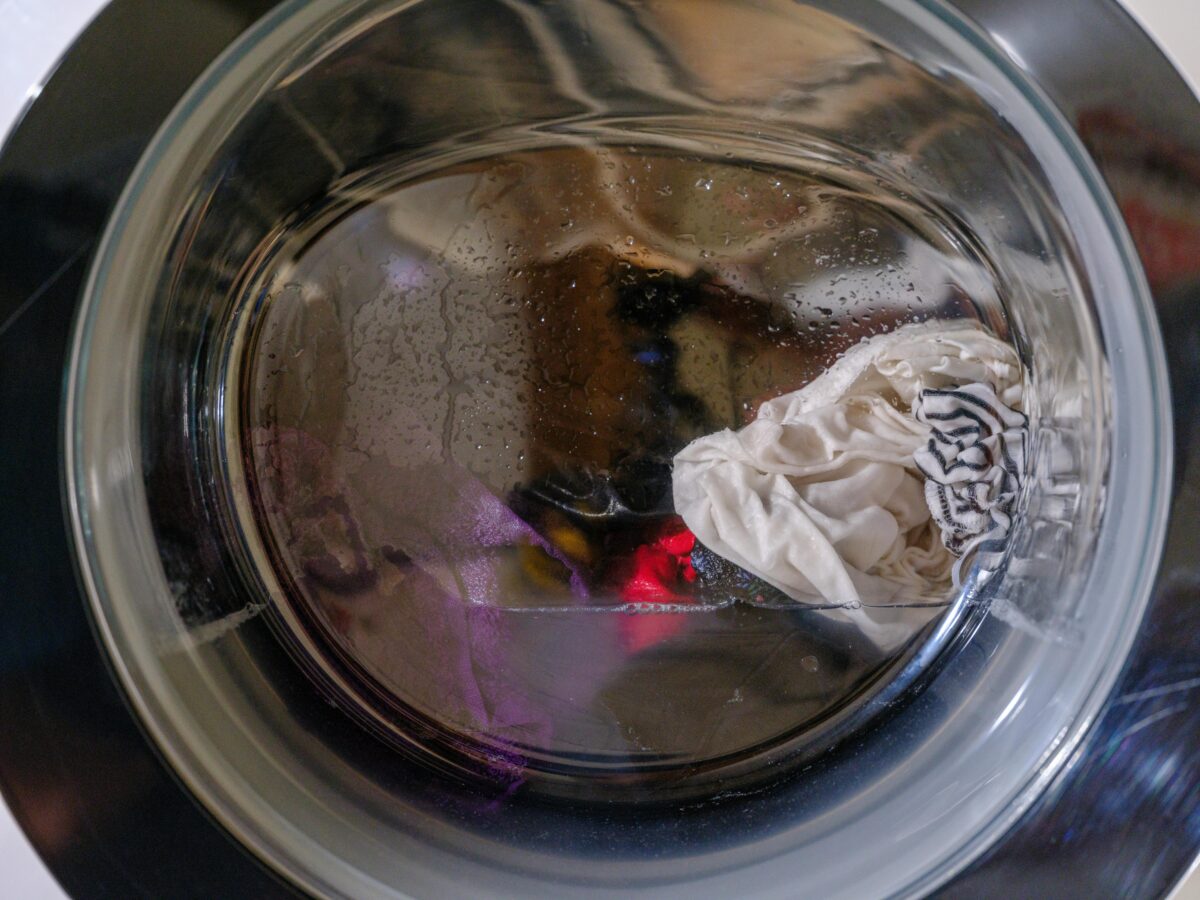
A half-empty dishwasher or washing machine feels convenient when you want the chore done quickly. The trouble is that the machine still uses energy to run the cycle, even when it is not carrying a full load. That means you may end up paying almost the same energy cost for less work.
The smarter habit is to wait until the machine is properly loaded without overstuffing it. A full dishwasher, a sensible laundry load, and the right cycle can make everyday cleaning more efficient. Convenience is nice, but running machines too often can turn convenience into a monthly bill problem.
Ignoring Dirty Filters and Blocked Airflow
A dirty air filter is easy to forget because it hides out of sight. That is exactly why it causes trouble. When filters get clogged, air cannot move easily, and the heating or cooling system has to push harder to do the same job. That extra strain can show up as higher energy use.
Blocked vents create a similar problem. Furniture, curtains, rugs, or dust buildup can block airflow throughout the home. When airflow is compromised, some rooms feel uncomfortable, and people often respond by adjusting the thermostat. A clean filter and clear vents help the system breathe, and a system that breathes better usually works more efficiently.
Leaving Devices Plugged In All Day

Many electronics use very little power even when they appear to be off. Chargers, game consoles, coffee makers, printers, cable boxes, and extra kitchen appliances can sit quietly in standby mode. The waste may seem small, but modern homes often have many devices plugged in at once.
The fix does not require unplugging your entire life. Start with items you rarely use, spare chargers, guest room electronics, and appliances with glowing lights or standby displays. Power strips can also make it easier to shut off several devices at once. Your home should not keep feeding electricity to machines that are doing no useful work.
Using the Oven for Small Jobs
The oven is useful, but it is not always the best choice for small meals or quick reheating. Heating a large oven for one slice of pizza, a small snack, or a single serving can waste energy. It also warms the kitchen, which can make cooling systems work harder during hot weather.
Smaller appliances can be more practical for small jobs. A toaster oven, microwave, or air fryer may use less energy for quick tasks because it heats a smaller space. The goal is not to avoid the oven completely. The goal is to stop using the biggest tool in the kitchen for the smallest job.
Conclusion
A high electricity bill can feel mysterious, but the cause is often hiding in plain sight. It lives in the lights left on, the thermostat pushed too far, the laundry washed with hot water by habit, and the devices plugged in long after anyone used them. These habits do not look expensive individually, but together they can make a home cost more to run than it should.
The best way to lower waste is to stop treating energy like an invisible resource. Every switch, cycle, setting, and plug has a small effect. Once you start noticing those small choices, your home becomes easier to manage. Lower bills do not always require expensive upgrades. Sometimes, they begin with better habits and a little more attention.