7 Things Older Women Know About Feeding a Crowd That Younger Cooks Don’t
There’s a certain calm that comes over an experienced home cook when she hears that 20 people are coming for dinner. She’s done it for church suppers, graduation parties, funerals, family reunions and more Thanksgivings than she can count. While a younger cook might panic, she’s already planning the menu, the shopping list and the timing in her head.
That kind of confidence comes from decades of practice, plenty of mistakes and a few disasters that turned into family stories. Many of the lessons older women learned along the way aren’t written in any cookbook. Here are seven things seasoned cooks know about feeding a crowd that younger cooks often have to learn the hard way.
1. Casseroles and One-Pan Dishes Do the Heavy Lifting
Experienced cooks know that a crowd isn’t the time for fussy, individually plated dishes. Casseroles, baked pastas, sheet-pan meals and big pots of chili or soup can feed a dozen people with little last-minute work. They can be assembled ahead, baked when needed and served right from the dish.
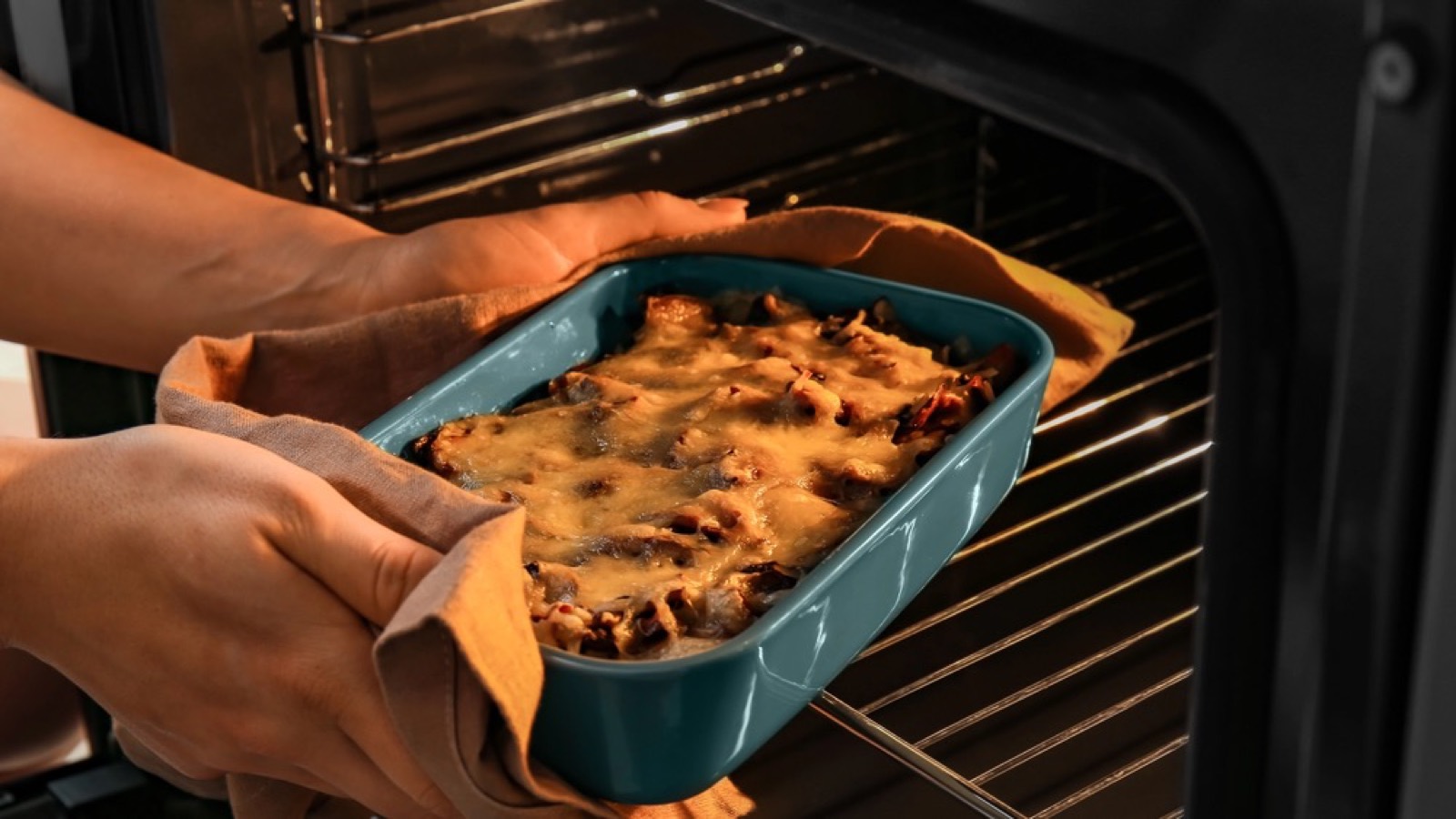
These dishes are also forgiving. If guests arrive late or dinner gets pushed back an hour, a casserole can wait in a low oven without falling apart. Younger cooks who try to sear steaks or make delicate sauces for a crowd often find themselves stuck at the stove while everyone else is enjoying the party.
2. Sides and Starches Stretch the Main Dish
Older cooks who raised big families on tight budgets learned that the main dish doesn’t have to carry the whole meal. Mashed potatoes, rice, baked beans, rolls, pasta salads and green bean casseroles fill plates without breaking the bank. A modest ham or a couple of roast chickens can feed far more people when surrounded by hearty sides.
This approach also gives guests more choices, which matters when some people don’t eat much meat. A table with plenty of sides makes it easy for everyone to fill up on what they like. It’s a practical lesson from a time when families fed six or eight mouths on a single paycheck.
Seasoned cooks also know to make a little more than they think they’ll need. Running out of food is far more embarrassing than having leftovers, and extras can be sent home with guests in foil-covered plates. Many grandmothers kept a stack of disposable containers in the pantry for exactly that purpose.
3. Plan the Oven Before You Plan the Menu
One of the biggest mistakes younger cooks make is choosing a menu where every dish needs the oven at the same time. A seasoned host thinks about equipment first. She knows that a single oven can hold only so much, and that a turkey or ham may take up most of it for hours.
That’s why experienced cooks lean on slow cookers, electric roasters, stovetop dishes and cold salads that don’t need heat at all. Smaller appliances can free up the oven for the dishes that truly need it. There are many clever ways to cook for a crowd with limited oven space, and the planning starts days before the party.
4. Make Ahead, Freeze and Write It Down
Older women often have a notebook, an index card box or a mental list of what can be made days or even weeks ahead. Pie crusts, cookie dough, soups, meatballs and many casseroles freeze beautifully. Cranberry sauce, salad dressings and desserts can usually be made a day or two before.
Experienced cooks also write out a timeline for the day of the event, working backward from when dinner will be served. They note when each dish goes into the oven and when it comes out. That simple schedule keeps the meal from turning into a frantic scramble and lets the host actually sit down with her guests.
5. Small Platters, Swapped Often
When food sits on a buffet table for hours, it can dry out, look picked over and even become unsafe. Seasoned hosts know to set out smaller platters and replace them with fresh ones from the kitchen as the party goes on. That way, late arrivals get the same appealing spread as early guests.
The FDA recommends the same approach in its guide to safe buffets. It advises keeping hot foods at 140°F or warmer and cold foods at 40°F or colder, and warns against adding new food to an already filled serving dish. Chafing dishes, slow cookers and warming trays help keep hot dishes at a safe temperature.
6. Big Batches Need to Cool Down Fast
Anyone who has cooked for a church supper or a large family gathering learns to respect leftovers. A huge pot of stew or a whole turkey can stay warm for a long time, and that’s when bacteria can grow. Experienced cooks divide large amounts of food into shallow containers so it cools quickly in the refrigerator.
This isn’t just old-fashioned caution. The CDC says C. perfringens food poisoning is most often linked to foods cooked in large batches and held at unsafe temperatures, such as turkey, beef and gravy, and that most outbreaks happen in November and December. The agency’s food safety tips also say never to leave perishable food out for more than two hours, or one hour if it’s above 90°F.
7. Accept Help and Assign the Dishes
Younger cooks sometimes feel they need to make everything themselves to prove they can. Older women learned long ago that the best gatherings are shared efforts. When a guest asks, “What can I bring?” a seasoned host has an answer ready, whether it’s rolls, a salad, a dessert or a bag of ice.
Assigning dishes also prevents the classic potluck problem of ending up with five desserts and no vegetables. Experienced hosts keep a simple list so they know who is bringing what. They also put helpers to work clearing plates, refilling drinks and washing pots, which turns cleanup into part of the visit.
Cooking for a Crowd Is About More Than Food
For many women, cooking for a crowd has always been a way of showing love. Feeding family and friends after a funeral, a new baby or a long trip home is a tradition that goes back generations. The meal itself is often less memorable than the feeling of being welcomed and cared for.
That’s why experienced cooks don’t stress over perfection. A slightly overdone roast or a lopsided cake won’t ruin the day if the table is full and the conversation is warm. They know guests remember the laughter, the stories and the second helpings far more than any small mistake.
Lessons Worth Passing Down
If you’re lucky enough to have a mother, aunt or grandmother who regularly fed a crowd, ask her to teach you her tricks. Write down her recipes, her timelines and her shortcuts before they’re forgotten. Those handwritten notes often become treasured family keepsakes.
And if you’re the seasoned cook in your family, consider inviting a younger relative into the kitchen the next time you host. Sharing what you know is one of the best gifts you can give. What’s the best lesson you’ve learned about feeding a big group of people?