8 Meals Grandma Made From Pantry Scraps That Cost Almost Nothing
Grandma never seemed to run out of food, even when the cupboards looked bare. A ham bone, a few cold potatoes, half a box of macaroni and a heel of bread were all she needed to put a hot, filling supper on the table. To her, leftovers weren’t scraps at all, they were tomorrow’s dinner.
That resourcefulness was born out of necessity. Many grandmothers learned to cook during the Great Depression or the rationing years of World War II, when wasting food simply wasn’t an option. Their thrifty habits are worth remembering today, with grocery bills still stretching many family budgets. Here are eight meals Grandma made from pantry scraps that cost almost nothing.
1. Leftover Roast Hash
When the Sunday roast was gone, Grandma turned the last bits into hash. Leftover beef, ham or corned beef was chopped and fried in a cast-iron skillet with diced cold potatoes and onions until crisp and brown. A fried egg on top turned it into a full meal.
Hash could be served for breakfast, lunch or supper, and it stretched a small amount of meat to feed the whole family. Many cooks pressed it down with a spatula and let it sit so a golden crust formed on the bottom. A splash of ketchup or hot sauce was the only garnish anyone needed.
2. Ham Bone Bean Soup
A ham bone was never thrown away in Grandma’s kitchen. She simmered it for hours with dried navy beans or split peas, onions, carrots and celery until the beans were creamy and any meat fell off the bone. The result was a thick, smoky soup that tasted far richer than its humble ingredients.
A single ham bone and a pound of dried beans could feed a family for days. Soup was a Depression-era staple because it could be made with whatever was in the kitchen and stretched by adding water. Served with cornbread or crackers, it was the definition of a cheap and cozy supper.
3. Fried Cornmeal Mush
Cornmeal mush was a frugal breakfast and supper in many rural homes. Grandma cooked cornmeal with water and salt into a thick porridge, then poured the leftovers into a loaf pan to chill overnight. The next day, she sliced it and fried the slices in butter or bacon grease until crisp.
Fried mush was served with syrup, honey or molasses for breakfast, or alongside sausage and eggs for supper. A bag of cornmeal cost very little and lasted a long time in the pantry. It’s similar to polenta, and many families still make it exactly the way their grandparents did.
4. Mashed Potato Cakes
Leftover mashed potatoes rarely went to waste. Grandma mixed them with an egg, a little flour and some chopped onion, then shaped the mixture into patties and fried them until golden. Some cooks added shredded cheese or crumbled bacon if they had it.
These potato cakes were crisp on the outside and creamy on the inside. They made a quick side dish or a meatless supper with a salad or canned vegetables. Many people say potato cakes were the best part of having mashed potatoes the night before.
5. Salmon Patties
Salmon patties, also called salmon croquettes, were a pantry favorite in many homes. A can of salmon was mixed with crushed saltine crackers or bread crumbs, an egg and chopped onion, then shaped into patties and pan-fried. One can could make enough patties to feed a family.
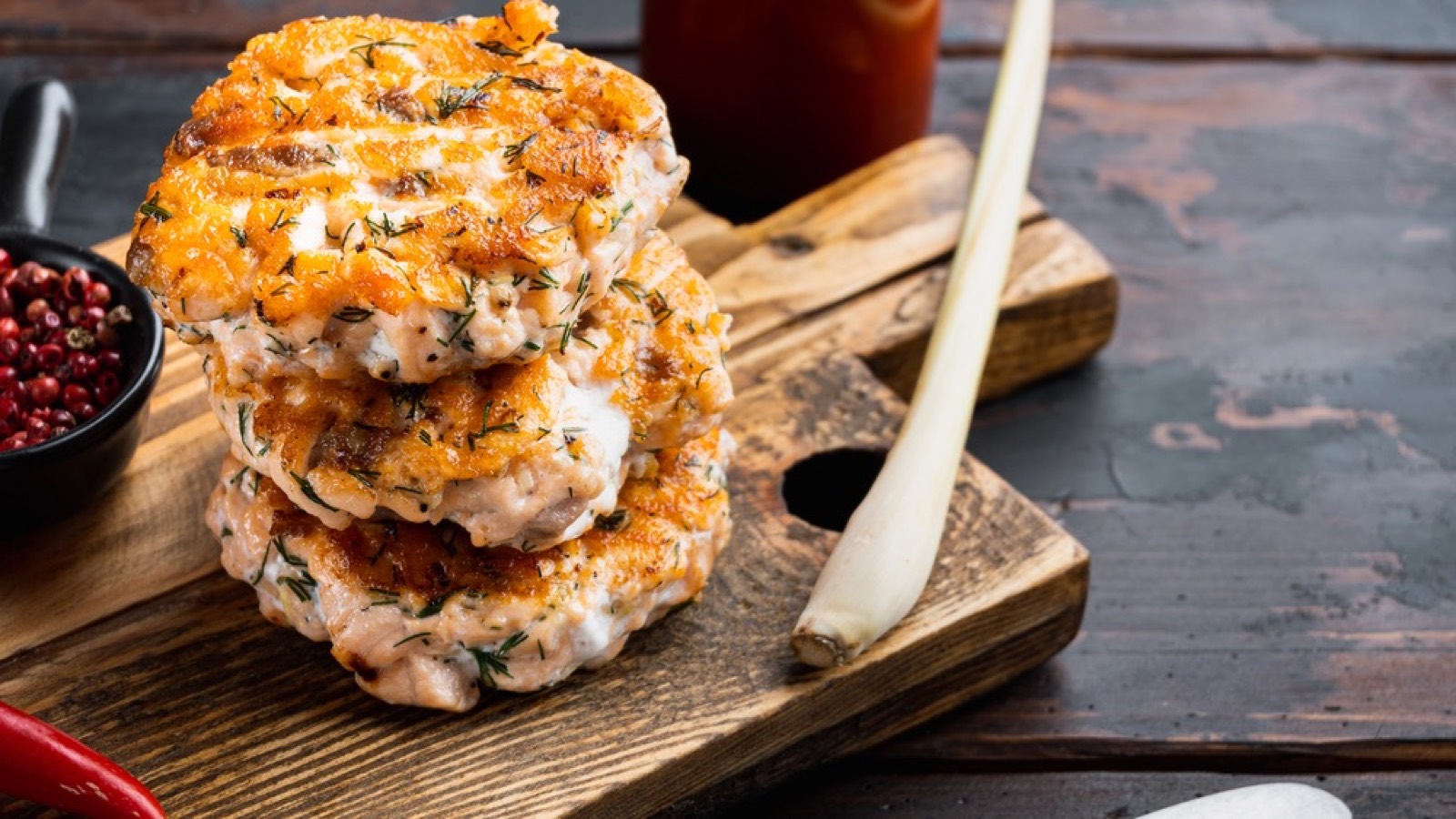
Canned salmon was a shelf-stable protein that cost less than many fresh meats. Grandma often served the patties with creamed peas, macaroni and cheese or a simple white sauce. In many Southern homes, they were a regular Friday night supper.
6. Macaroni and Tomatoes
Macaroni and tomatoes was one of the simplest meals Grandma ever made. Cooked elbow macaroni was stirred into a pot of stewed or canned tomatoes, seasoned with salt, pepper, a pinch of sugar and sometimes a little bacon grease or butter. It could be eaten as a main dish or a side.
The dish needed only two pantry staples, and both were cheap and easy to store. Some families added browned ground beef when they could afford it, while others topped it with cheese. Many people who grew up eating it still crave a bowl on chilly nights.
7. French Toast From Stale Bread
French toast has long been a way to rescue dry, stale bread, which is why the French call it pain perdu, or “lost bread.” Grandma dipped thick slices in a mixture of eggs, milk, cinnamon and a little sugar, then fried them in butter until golden. Bread that was a day or two old actually worked better, because it soaked up the custard without falling apart.
It was a cheap breakfast, but many families also served it for supper when money was tight. A drizzle of syrup, a dusting of powdered sugar or a spoonful of homemade jam made it feel like a treat. It’s still one of the easiest ways to use the last slices of a loaf.
8. Clean-Out-the-Fridge Vegetable Soup
At the end of the week, Grandma made soup from whatever was left. Wilting carrots, half an onion, a few potatoes, leftover green beans and the last of the corn all went into the pot with broth or water and a can of tomatoes. Leftover rice, noodles or bits of meat went in too.
No two pots were ever the same, but they were always comforting and filling. The soup kept vegetables from spoiling and turned odds and ends into a hearty meal. Grandma often froze extra portions so nothing would go to waste.
Lessons From Grandma’s Kitchen
Grandma’s thrifty cooking has a lot to teach us today. NPR has explored how the Great Depression changed American diets, with families relying on cheap, filling foods that could be stretched. Many of those habits, from saving bacon grease to reusing bones for soup, lasted for generations.
Some grandmothers even became internet stars for sharing these recipes. NPR profiled Clara Cannucciari, a great-grandmother who cooked Depression-era meals on her own YouTube show in her 90s. Her simple dishes reminded viewers how far a few ingredients could go. Many of the Depression-era foods families ate back then are still worth making.
Cut Waste and Save Money
Cooking from scraps is also one of the best ways to reduce food waste at home. The Environmental Protection Agency offers practical tips for preventing wasted food, such as planning meals, storing food properly and using leftovers creatively. Keeping a list of what’s in the fridge can help you use food before it spoils.
When saving leftovers, refrigerate them promptly in shallow containers and use them within a few days, or freeze them for later. Grandma’s meals also prove that humble foods can be just as satisfying as expensive ones. Which pantry-scrap meal did your grandmother make that you still love today?