9 Foods That Changed Forever Because of World War II
World War II changed nearly everything about American life, and the kitchen was no exception. Families at home lived with ration books, meat shortages and limits on sugar, butter and coffee. Meanwhile, millions of soldiers needed food that could survive long voyages, jungle heat and freezing winters without spoiling.
Out of that pressure came some surprising changes. A few foods were invented during the war, while others went from little-known products to household names almost overnight. Many of them are still sitting in American pantries today, and most people have no idea how they got there. Here are nine foods that changed forever because of World War II.
1. Spam
Hormel introduced Spam in Austin, Minnesota, in 1937, a few years before the United States entered the war. It might have stayed a modest seller, but the military needed a protein that didn’t need refrigeration and could be shipped anywhere in the world. Canned spiced ham fit the bill perfectly.
According to the National Park Service, Hormel estimates it shipped more than 100 million pounds of Spam during the war, as described in its look at wartime foods. Soldiers joked about eating it too often, yet many came home with a lasting taste for it. Spam later became a beloved staple in Hawaii and Guam, and it remains one of the foods boomers loved growing up.
2. M&M’s
M&M’s started out as a wartime product. Forrest Mars patented the candy on March 1, 1941, and the hard sugar shell meant the chocolate wouldn’t melt in hot climates. The story goes that he got the idea after seeing soldiers in the Spanish Civil War eating chocolate pellets coated in sugar, as History.com explains in its account of the wartime origins of the candy.
During the war, Mars had an exclusive contract to supply M&M’s to the U.S. military for soldiers’ rations. Servicemen who discovered the colorful candy overseas brought their love of it home. By the postwar years, M&M’s were well on their way to becoming one of the best-selling candies in America.
3. Kraft Macaroni and Cheese
Kraft introduced its boxed macaroni and cheese in 1937, but the war is what turned it into a staple. With meat and dairy rationed, families needed cheap, filling meals that didn’t use up their ration stamps. A box of mac and cheese was an easy answer.
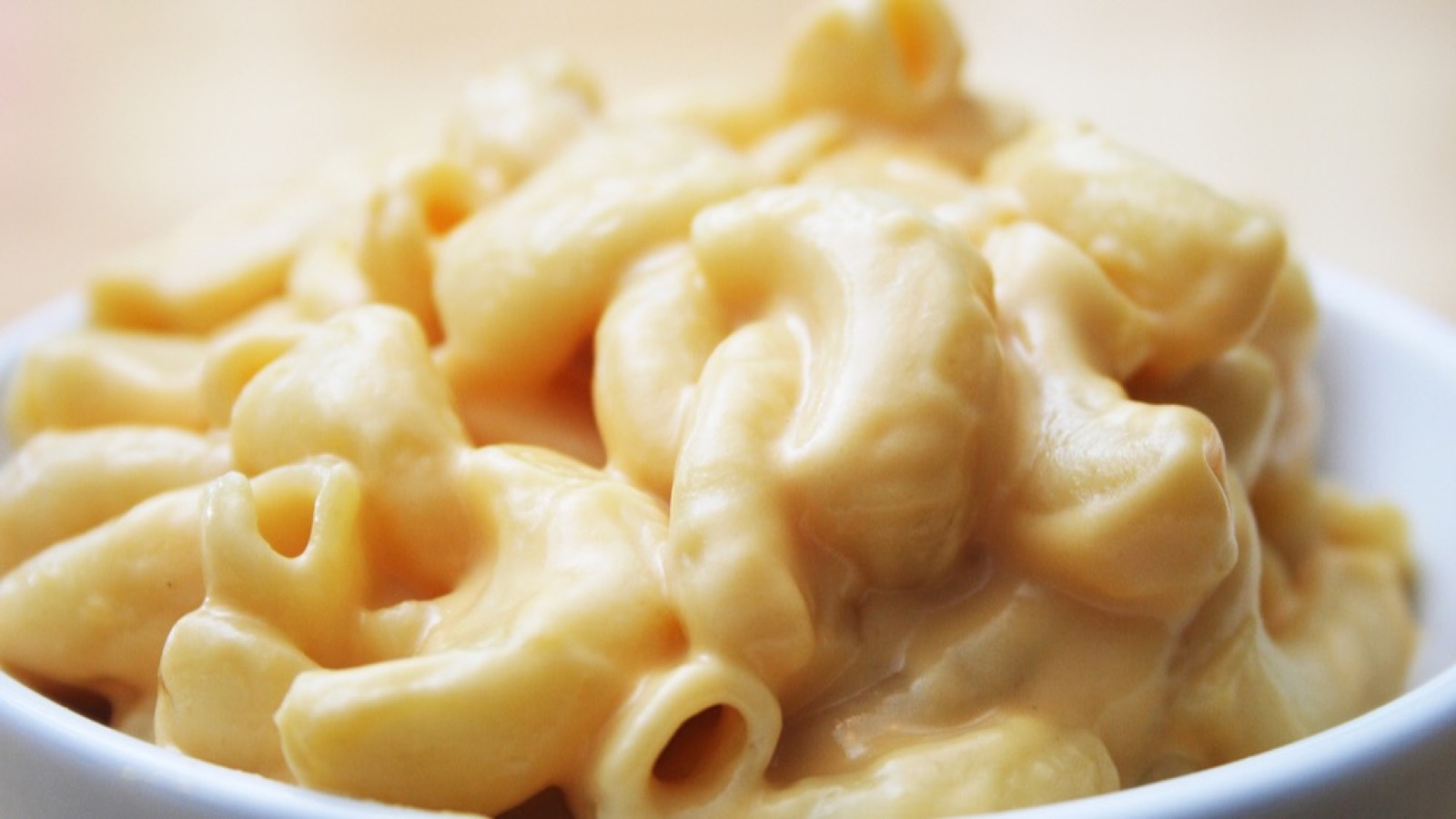
The National Park Service notes that two boxes cost just one ration point, and Kraft sold about 50 million boxes during the war. Busy mothers, many of them working in factories while their husbands served overseas, could put dinner on the table in minutes. The blue box has been a family favorite ever since.
4. Frozen Orange Juice Concentrate
Frozen orange juice concentrate exists because the Army needed vitamin C for its troops. Researchers in Florida worked during the war to find a better way to preserve orange juice, and USDA scientists developed a method in 1945 to remove water from fresh juice at low temperatures. That process kept much of the fresh flavor that earlier canned juices had lost.
The Army ordered powdered orange juice from a new Florida company, but the war ended and the order was canceled before the juice ever reached the troops. The company shifted to frozen concentrate for home use and became Minute Maid. By the 1950s, a can of frozen concentrate in the freezer was standard in American homes.
5. Margarine
Butter was one of the first foods tightly limited during the war, and margarine stepped in to fill the gap. For years, the dairy industry had fought margarine, and many states banned selling it colored yellow. So it was often sold white, with a little capsule or packet of yellow dye that families mixed in at home.
Wartime shortages helped margarine win a permanent place in American kitchens, and rising sales after the war shifted the politics around it. Some states even passed laws over the years trying to control what color margarine could be sold in. Congress repealed the federal tax on colored margarine in 1950, and the old dye packets slowly faded into memory.
6. Instant Coffee
Instant coffee existed before the war, but it was the war that made it popular. Nestlé launched Nescafé on April 1, 1938, and it tasted much more like brewed coffee than earlier versions. By the time the United States entered the war in 1941, it was part of the emergency rations given to soldiers.
History.com reports that in one year, the military bought more than a million cases, the entire annual output of Nescafé’s U.S. plant, in its look at wartime coffee. Back home, coffee itself was rationed from late 1942 to the summer of 1943. Soldiers who grew used to a quick cup of instant coffee kept buying it after they returned.
7. Frozen French Fries
The modern frozen french fry has a wartime backstory too. Idaho businessman J.R. Simplot began dehydrating onions and potatoes in the early 1940s and became one of the largest suppliers of dried potatoes to the U.S. armed forces. Soldiers ate huge amounts of dried potatoes, even if they didn’t always enjoy them.
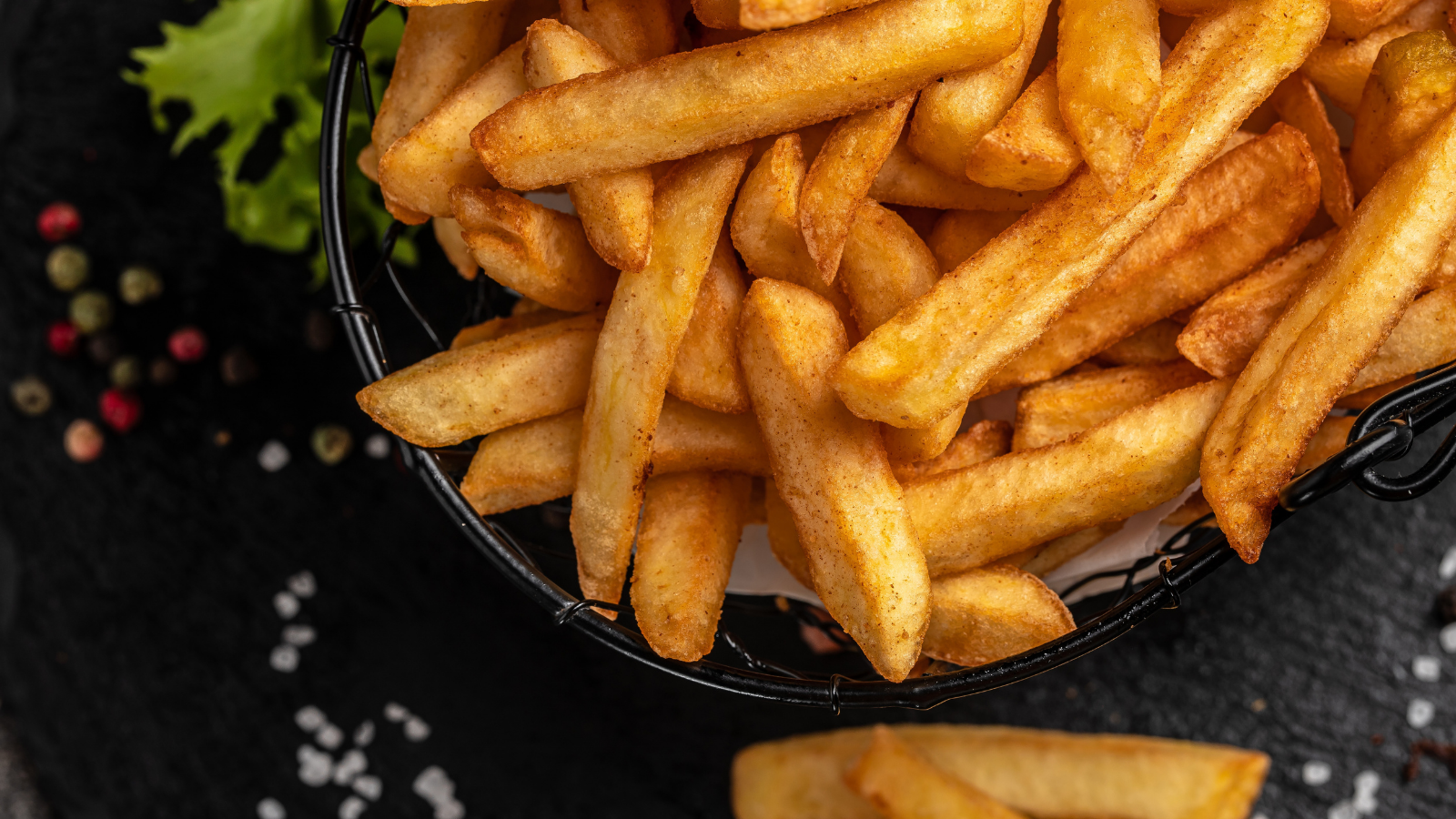
After the war, Simplot’s company turned its potato know-how toward a new product, and it developed one of the first commercially successful frozen french fries. The company later became a major supplier of fries to McDonald’s, as described in Simplot’s history. That wartime potato business helped pave the way for the fries many Americans now buy by the bag.
8. Chef Boyardee
Ettore “Hector” Boiardi was an Italian immigrant chef whose canned spaghetti sauce and pasta had become popular in the 1930s. When the war came, his company was asked to produce rations for the troops. Its factory ran around the clock to keep up with military orders.
For that work, Boiardi received a Gold Star order of excellence from the U.S. War Department. Canned ravioli and spaghetti became quick lunches for a generation of baby boomers, and the smiling chef on the can became a familiar face in American pantries.
9. Cheetos
Cheetos may seem like a purely postwar snack, but the cheese powder on them has wartime roots. The National Park Service notes that a USDA scientist developed the first practical cheese powder in 1943, a shelf-stable way to send cheese to troops. After the war, the government sold off its stockpiles of dehydrated cheese.
In 1948, the Frito Company used that kind of dehydrated cheese on puffed cornmeal snacks and created Cheetos. It was one of many foods that took wartime technology and turned it into something fun for families at home. Today, powdered cheese turns up on everything from crackers to boxed pasta.
The War’s Lasting Taste
The war also changed what Americans were willing to try. Military service exposed many young men and women to French, Italian and Chinese food, and those cuisines spread far beyond immigrant neighborhoods in the years that followed. Rationing taught families how to stretch meals and make do, and the National WWII Museum describes how rationing worked on the home front.
Many of the convenience foods that filled postwar kitchens, alongside the new appliances described in these kitchen classics, can trace their roots back to those years. Which of these wartime foods do you still have in your pantry today?