A Night on Lake Michigan Ended in Chaos After Two Recreational Boats Collided Near Chicago’s Monroe Harbor, Killing a 26-Year-Old Woman and Leaving Four Other People Hurt.
The crash happened late Thursday night, just before midnight, when both vessels were returning toward shore. What should have been the quiet end of a night on the water became a frantic emergency scene, with injured passengers, damaged boats, first responders racing across the lake, and families waking up to the kind of news no one is prepared to hear.
The woman who died has been identified as Johanna H. Gregory, a Chicago resident and pediatric occupational therapist remembered by those who loved her as warm, deeply kind, and devoted to helping children. Her death has now turned a boating accident into a wider warning about nighttime safety on one of America’s busiest and most beautiful urban waterfronts.
What Officials Say Happened Near Monroe Harbor
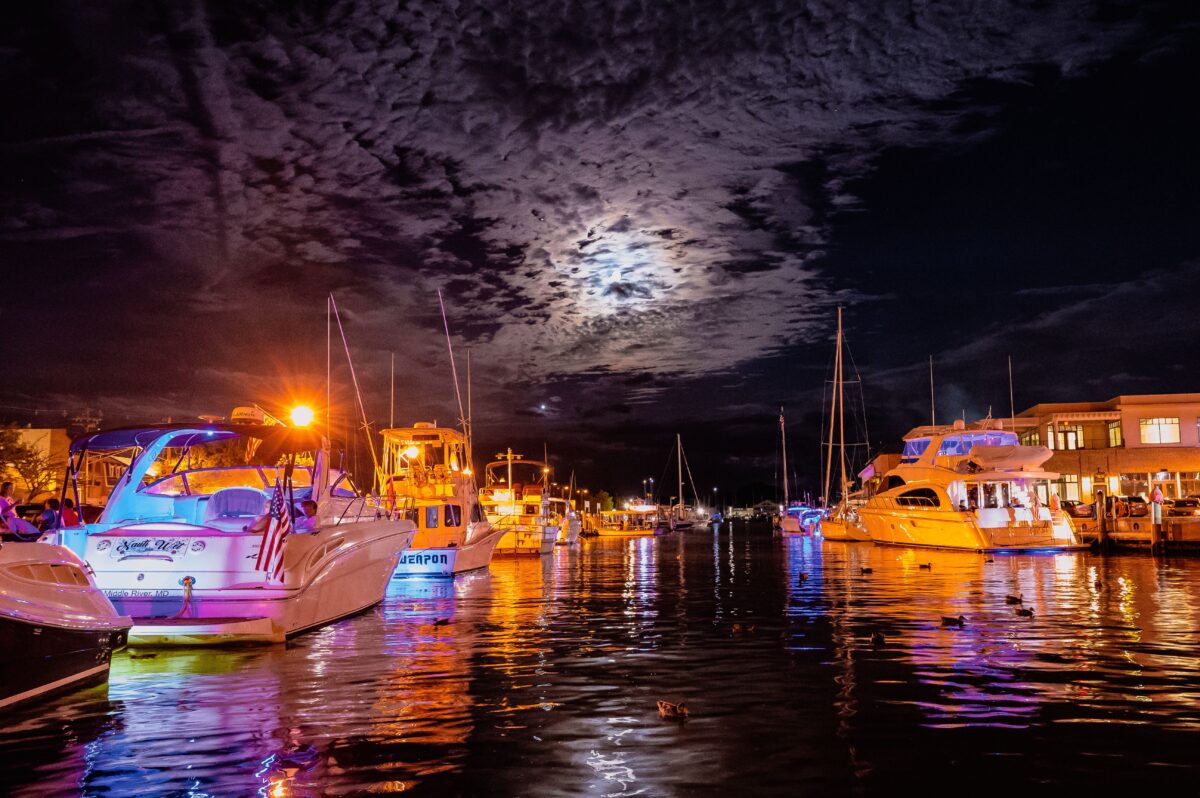
The collision happened near Monroe Harbor, close to downtown Chicago, after the Coast Guard received notice from Chicago police dispatch at 11:44 p.m. A Coast Guard boat crew was launched and arrived on scene within minutes.
Fourteen people were aboard the two vessels. One boat was carrying nine passengers. The other was carrying five. Illinois Conservation Police said a cabin cruiser struck a smaller vessel, and all five people on the smaller boat were rushed to local hospitals for treatment.
The smaller vessel suffered heavy damage. Images and video from the scene showed a badly battered boat being handled by marine responders, a visual reminder of how violent the impact must have been.
Chicago Fire Department Deputy District Chief Jason Lach described the crash as a hard collision and said early information suggested one vessel overtook the other while both were coming back toward port. “One vessel overtook another one,” he said while speaking about the preliminary timeline. He also described the impact plainly: “It was a definite hard collision.”
Two people ended up in the water after the crash, but they were pulled out by others before emergency crews arrived. That detail alone says a lot about the panic of the moment. In the dark, with damaged boats and people hurt, passengers had to act before rescuers could reach them.
Five people were taken to hospitals. Gregory later died from her injuries. Nine others declined medical attention at the scene.
Johanna Gregory Remembered for a Life Spent Helping Children
Gregory’s death has hit especially hard because of who she was beyond the headlines.
She was 26, living in Chicago, and worked as a pediatric occupational therapist. Her work put her close to children and families who needed patience, skill, and care. People who knew her described someone with a natural tenderness, the kind of person who made others feel seen without making a performance of it.
Her father, Douglas Gregory, gave the simplest and most painful tribute: “She had a heart of gold.” It is the kind of sentence that carries more weight than a long biography. It tells you what her family wants people to understand first.
Gregory also had a connection to Gannon University, where she had been part of the volleyball program. The school’s athletics community mourned her loss, saying she would always be remembered as part of the Golden Knight family.
That part of the story matters because accidents can quickly turn people into numbers: one dead, four injured, 14 involved. But Gregory was not a number. She was a daughter, a friend, a former athlete, a therapist, and someone whose daily work touched young children at the beginning of their lives.
The loss is made even sharper by the suddenness. A night on the water does not usually carry the weight of finality. People go out expecting breeze, skyline views, laughter, and the glow of Chicago from offshore. They do not expect a collision in the darkness, sirens at the harbor, and a family left searching for answers.
Investigators Are Still Working Through the Questions

The Illinois Department of Natural Resources is leading the investigation through its Conservation Police. At this stage, officials have not released a final cause.
Several important questions remain unanswered. Investigators are still looking into what happened before the collision, including the boats’ movements, visibility, speed, and whether required lighting was in use. Officials have also not said whether alcohol played any role.
That caution matters. In the hours after a fatal crash, it can be tempting for people to fill in the blanks. But the facts are still being assembled. What is known is serious enough on its own: two recreational boats collided late at night, one young woman died, four others were badly injured, and a damaged vessel was left as physical evidence of the force involved.
Coast Guard Lt. Cmdr. James Alling used the moment to stress boating safety, saying “safety on the water begins long before leaving the dock.” He urged boaters to wear life jackets, maintain a proper lookout, operate at safe speeds, and never operate under the influence.
Those reminders may sound basic, but on open water, basic rules can be the difference between a close call and a tragedy. Night boating is not the same as a daytime cruise. Distances can be harder to judge. Lights can blur. A moving boat can become difficult to read against the dark water and city glow. Even experienced operators have less room for error when visibility drops.
Monroe Harbor is one of Chicago’s most recognizable boating areas, framed by skyline, lakefront, and summer crowds. That beauty can make the lake feel familiar, almost casual. But Lake Michigan is not a backdrop. It is a powerful body of water, and when boats are moving at night, especially with multiple passengers aboard, the margin for mistakes can narrow fast.