Trump Golf Course Security Scare: Armed Man Arrested After Agents Spot Suspicious Activity During Presidential Visit Planning
An armed man was arrested near Trump National Golf Club in Southern California after federal agents noticed suspicious activity during security preparations for President Donald Trump’s planned visit, sparking a major investigation into weapons, surveillance concerns, and a possible threat that authorities say they stopped before it could escalate.
The arrest did not uncover a confirmed plot against the president, but officials said the case highlights the difficult work of protecting a sitting president outside traditional government locations. Investigators are examining why the man was recording security activity, why he claimed to have a security-related role, and whether the weapons and equipment found during the investigation were connected to a larger plan.
The incident comes as security agencies remain under heightened pressure following previous attempts to harm Trump during the 2024 campaign and other security breaches involving his properties. For law enforcement, the focus is prevention: identifying unusual behavior early enough to stop a possible danger before it becomes an emergency.
Federal Agents Raised Alarm After Man Was Seen Recording Security Activity
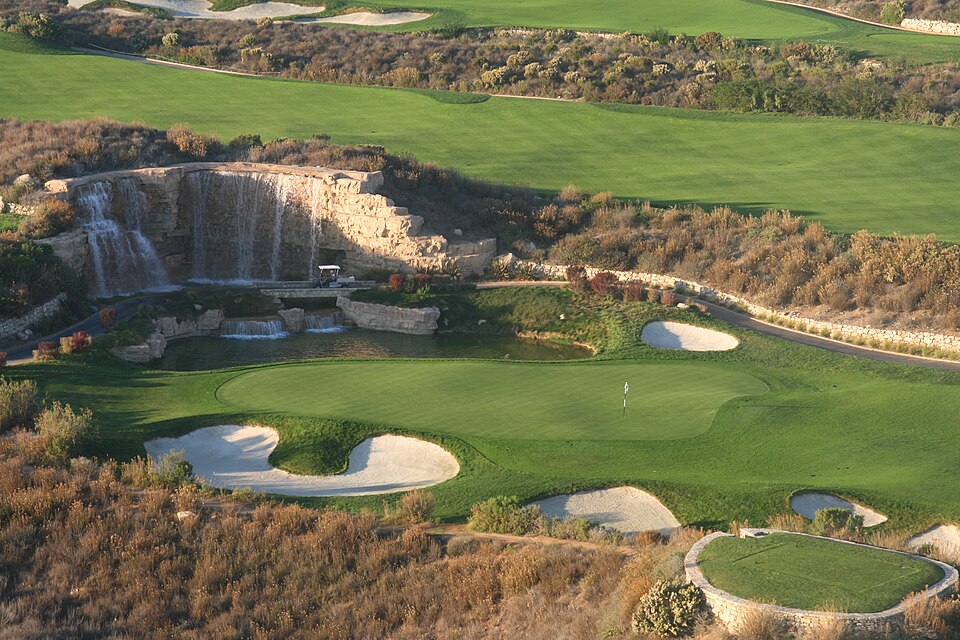
The investigation began when federal agents conducting security preparations at Trump National Golf Club in Rancho Palos Verdes, California, reportedly noticed an individual behaving in a way that raised concerns. Authorities said the person was seen walking around the property, wearing an earpiece, and photographing or recording activities connected to security planning.
Officials later identified the man as 38-year-old Jeanine John Taele of Downey, California. Investigators said he left the area after the initial observation but returned days later, when he approached federal agents and allegedly claimed he was connected to security work.
The attention from investigators was not based only on his presence at the property. Authorities said they were also examining the combination of his actions, his statements, and the items discovered during the encounter to determine whether they represented a legitimate concern or a possible security threat.
Why Photographing Presidential Security Operations Raises Questions
Taking photographs in public areas is not automatically illegal, but investigators often pay close attention when someone appears to be documenting security procedures around a protected individual. Presidential security teams are trained to identify behavior patterns that may indicate someone is attempting to understand protective measures.
Officials said Taele appeared to be monitoring security-planning activities before his arrest. Investigators are now reviewing what information he may have collected, why he was recording the area, and whether his actions had any connection to a broader intention.
The case demonstrates why presidential protection involves more than physical barriers and armed agents. Much of the work happens through observation, intelligence gathering, and identifying unusual activity before a direct threat develops.
Arrest Came After Officers Found Ammunition and Tactical Equipment
According to authorities, Taele returned to the golf club and told federal agents that he had a loaded firearm in his vehicle. Deputies with the Los Angeles County Sheriff’s Department later searched him and discovered ammunition, including a magazine containing hollow-point rounds, according to officials.
Investigators also searched his vehicle and reportedly found binoculars and a badge displaying the words “security protection agent.” Authorities said the badge was not connected to legitimate government security credentials.
The discoveries led investigators to expand the case beyond the initial encounter. Officials executed a search warrant at his home because of what they described as potential security concerns surrounding the incident.
Investigators Found Weapons and Materials at His Home
During the residential search, authorities said they recovered several weapons-related items, including an illegally modified AR-style rifle, a handgun, body armor, high-capacity magazines, ammunition, radio equipment, and other tactical materials.
Investigators also reported finding notebooks containing what officials described as “concerning statements.” Authorities have not publicly released the full contents of those writings or explained whether they believe the materials indicate criminal intent.
The evidence has become a central part of the investigation as federal and local agencies attempt to determine whether the items were connected to the golf club incident or represented unrelated personal possessions.
No Confirmed Assassination Plot Has Been Identified, Officials Say
Despite the concerning discoveries, authorities have said they have not identified evidence of a confirmed plan to attack President Trump. Officials emphasized that the investigation remains active and that determining intent is one of the most important parts of the process.
The FBI’s Joint Terrorism Task Force and the Secret Service are assisting with the investigation, along with local law enforcement agencies. Officials said the involvement of specialized investigators reflects the seriousness of any potential security concern involving a president.
FBI Assistant Director Patrick Grandy said authorities must act carefully when investigating possible threats involving the president. He emphasized that there is no room for error when assessing situations that could affect national security.
Trump Security Concerns Have Increased After Previous Attacks
The arrest comes during a period of heightened awareness around threats against Trump. During the 2024 presidential campaign, Trump survived two assassination attempts, including a shooting at a campaign rally in Pennsylvania and another incident near his Florida golf course.
Those events changed the security environment surrounding Trump appearances and increased coordination between federal agencies and local law enforcement departments. Presidential protection teams now operate under intense scrutiny to identify possible dangers before they reach the president.
The California golf club incident shows the challenge of protecting a president who frequently visits private locations. Unlike government facilities with controlled access, private properties such as golf clubs can create unique security challenges because of their size, layout, and public surroundings.
Protecting a President Outside Washington Creates Unique Challenges

Presidential security extends far beyond official buildings. When a president visits private properties, agents must quickly transform everyday locations into secure environments.
Golf courses present particular challenges because they often include large open spaces, multiple access points, and areas that are difficult to completely restrict. Security teams must balance protection with the practical realities of presidential travel.
This requires cooperation between the Secret Service, FBI, local police agencies, and other government partners. Their work often begins days before a presidential visit, including advance security checks and monitoring of possible risks.
The Investigation Focuses on Intent, Not Just Evidence
The discovery of weapons, equipment, or suspicious materials does not automatically establish a criminal plan. Investigators must determine how each piece of evidence connects to the broader circumstances surrounding the arrest.
Authorities will likely examine digital records, communications, financial information, statements, and the timeline of events leading up to the arrest. The goal is to determine whether the actions were part of preparation for a crime or whether another explanation exists.
The legal process will ultimately determine the significance of the evidence. Prosecutors must prove criminal violations based on facts gathered during the investigation, not simply suspicion.
Federal and State Charges Move the Case Into Court
Taele faces multiple charges connected to the incident. The Los Angeles County District Attorney’s Office said he pleaded not guilty to weapons-related charges filed after the arrest and a separate robbery charge from a previous incident.
A judge set bail at $250,000 and ordered him not to possess weapons, stay away from Trump’s golf club, and remain in California while the case continues. Federal prosecutors also filed a criminal complaint alleging possession of an unregistered short-barreled rifle.
That federal charge carries a potential maximum sentence of up to 10 years in prison if a conviction occurs. Additional charges could be filed depending on what investigators discover during their review.
The Bigger Lesson Behind the Trump Golf Club Security Scare
The arrest near Trump’s California golf club highlights how modern presidential security depends on identifying risks before they become emergencies. In many cases, the most important security success is preventing an incident from ever reaching the public.
The investigation has not produced evidence of a confirmed attack plan, but officials say the combination of suspicious behavior, weapons-related discoveries, and the timing of the arrest required a serious response.
As investigators continue reviewing evidence, the case serves as a reminder of the constant challenges involved in protecting a president outside traditional government settings. The questions surrounding the incident now focus on motive, preparation, and whether law enforcement stopped a potential threat before it had a chance to develop.