6 Grocery Store Foods That May Not Be as Fresh as They Look
A grocery store can make it easy to judge food at a glance. Brightly colored fruit, crisp-looking greens, and neatly packaged bread may catch your eye, while a printed date can seem to offer a simple answer about freshness.
But appearances and labels do not always tell the whole story, and understanding what they actually reveal can help you make more informed choices.
Some foods change color after being cut, while others lose their appealing texture over time. Date labels also serve different purposes and do not necessarily tell you when a product was harvested, baked, or packaged.
Here are six familiar grocery store foods worth examining more carefully before you add them to your cart.
Pre-Cut Fruit
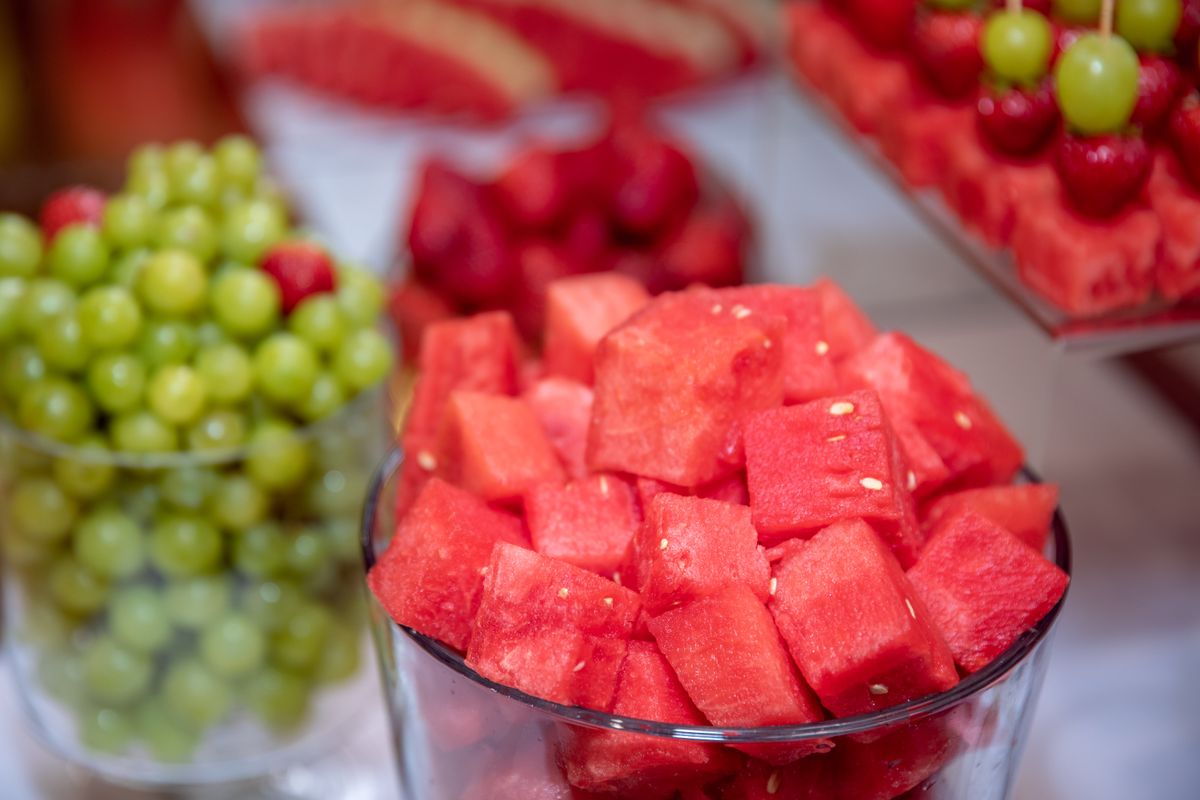
Pre-cut fruit saves preparation time, but its appearance can be misleading if you use color to judge when it was sliced. Apples and other susceptible fruits can develop brown surfaces when cutting exposes their flesh to oxygen and triggers a natural enzymatic reaction.
According to Penn State Extension, certain treatments can help reduce this browning, but the color itself is not a reliable timestamp.
When shopping, look through the container rather than judging it by the pieces visible at the top. Compare the cut surfaces and choose a package whose appearance meets your expectations. Brown edges do not establish when the fruit was prepared, just as a bright, unbrowned surface does not prove that it was cut recently.
Bagged Salad Greens
Bagged salad greens are convenient, but their appearance deserves a closer look before you buy. Fresh-cut lettuce can develop brown areas around cut surfaces, and the process depends on several factors, including the lettuce variety, maturity at harvest, handling, processing, packaging, and temperature control. Research guidance from UC Davis explains why discoloration cannot be reduced to one simple explanation.
Instead of relying entirely on the printed date, examine the visible leaves and edges through the packaging. Compare available bags to see which has the appearance you prefer. Discoloration does not reveal the exact age of the lettuce or establish its complete handling history.
Fresh Herbs
A bunch of parsley, cilantro, or another fresh herb can look appealing from a distance while individual leaves tell a different story. UMass Amherst’s fresh herb guidance recommends choosing herbs with plump leaves and a fresh aroma rather than wilted or blemished leaves.
Take a moment to compare the leaves throughout the bunch rather than focusing on the greenest stems at the front. If herbs are displayed openly, their aroma can offer another useful observation.
Ohio State University Extension also explains that damage to leaves and stems allows volatile oils to escape. However, wilted or bruised leaves do not tell you exactly when the herbs were harvested or how long they have been on display.
Related: 10 Things You Didn’t Know You Could Get for Free at Grocery Stores
Packaged Bread
The date printed on a loaf of bread may look straightforward, but the wording matters. The USDA distinguishes a “Best if Used By” date, which relates to expected quality, from a “Sell-By” date, which helps retailers manage display and inventory. Neither label identifies the day the bread was baked, according to the agency’s food product dating guidance.
Before choosing between loaves, read the words accompanying the date rather than comparing the numbers alone. A later date does not automatically mean the loaf was baked more recently. Bread can also lose its original texture depending on storage conditions, so the date alone cannot tell you whether a loaf will have the softness you prefer.
Be cautious about popular claims that bread-tag colors reveal a universal baking schedule. The research cited here does not establish a standard color code or a fixed interval between baking and sale. Reading the actual label is more useful than relying on an assumed shortcut.
Milk
Milk cartons often display prominent dates, but shoppers should distinguish the purpose of a date from the production history of the product. A “Sell-By” label and a “Best if Used By” label do not necessarily communicate the same information.
Penn State Extension’s explanation of food date labels discusses these distinctions and illustrates why state-specific requirements can matter, including Pennsylvania’s rules for dating pasteurized milk.
When comparing cartons, check the exact wording printed beside the date. Do not automatically interpret a sell-by date as the day the milk was bottled. The date alone does not provide a complete record of when the milk was produced or how it was stored before reaching the store.
Date-label practices can differ by product and jurisdiction, so one interpretation should not be assumed to apply to every carton sold across the country.
Fresh Fish
Fish displayed over ice does not reveal its freezing history at a glance. The U.S. Food and Drug Administration’s seafood purchasing guidance discusses fish sold as “Previously Frozen” and explains that it may not display every characteristic associated with fish that has never been frozen.
Read the display label and ask the seafood counter whether the fish was previously frozen if that distinction matters to your purchase. You can also inspect the visible fillet edges for discoloration, darkening, or drying, which the FDA identifies as characteristics shoppers can check. These observations offer information about appearance, not a definitive account of the fish’s age or handling.
Previously frozen fish is not automatically inferior to fish that has never been frozen. Freezing history is one detail to understand, not a stand-alone quality ranking. A chilled display tells you how the fish is being presented now, but it cannot reveal its complete history.
The next time you shop, look beyond the most attractive package or the latest-looking date. Examine the food’s visible condition, read the words printed on its label, and ask questions when a product’s history matters to your decision. These simple habits can help you make more informed choices without assuming that appearance alone tells you everything about freshness.