8 Most Hated Musicians of All Time, According to Fans
Music can bring joy, but some artists have the uncanny power to make listeners roll their eyes, groan, and sometimes even actively avoid their songs. The strangest part is that these musicians are often wildly famous, topping charts and filling arenas.
Fans can’t stop talking about them, but for all the wrong reasons. What makes someone so polarizing that listeners secretly hate them while their albums still sell? Here’s a closer look at the 8 musicians who have inspired some of the fiercest fan backlash in history.
Jake Paul

Jake Paul sits near the top of fan-dislike rankings because many listeners never saw him as a musician first. They saw him as an internet personality who dragged viral chaos into the music world, then asked everyone to take the songs seriously. That is a hard sell, especially when the music becomes a meme before it becomes a respected catalog.
His track “It’s Everyday Bro” became one of those songs people clicked on just to complain about it. Fan anger around Jake Paul is less about one bad song and more about what he represents: fame turning into music without the usual years of artistic grind. Ranker places him at No. 1 on its fan-voted worst musicians list, with a 91% upvote rate.
Logan Paul
Logan Paul lands in the same storm as his brother. Fans who dislike him often argue that his music career felt like an extension of influencer branding rather than a serious artistic move. That alone made him an easy target for listeners tired of social media stars crossing into every entertainment lane.
The criticism became sharper because audiences already had strong feelings about his online persona. Once that happens, the music rarely gets judged in a vacuum. Ranker lists Logan Paul at No. 2, also with a 91% upvote rate from voters.
Kevin Federline

Kevin Federline’s music career became a pop-culture punchline almost as soon as it arrived. Fans did not view him as an artist fighting his way into hip-hop. They viewed him as a celebrity-adjacent figure trying to convert tabloid attention into rap credibility.
That perception hurt him more than any single review could. His album Playing with Fire became a symbol of mid-2000s celebrity excess, where fame could open studio doors even when the audience was not asking for the music. Ranker places him at No. 3 on its fan-voted list, with more than 18,000 votes attached to his entry.
Tekashi 6ix9ine
Tekashi 6ix9ine is one of the clearest examples of an artist whose controversy became bigger than the songs. His loud image, public feuds, legal issues, and trolling-heavy persona made him fascinating to some fans and unbearable to others. Even people who could not name a full album still had an opinion about him.
That is why he became such a lightning rod. His music was built on aggression and spectacle, but the spectacle eventually swallowed the music. Ranker ranks Tekashi 6ix9ine at No. 4, with an 87% upvote rate from voters.
Justin Bieber
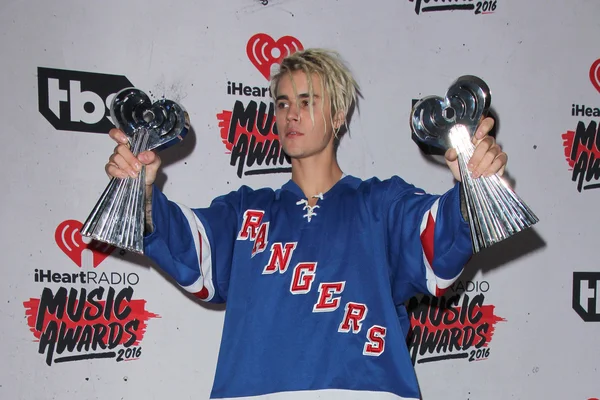
Justin Bieber’s inclusion shows how brutal fan culture can be when a young star becomes too famous too fast. During his early career, many listeners treated him as the face of teen-pop overexposure. The screaming fans, the polished image, and the endless radio presence made him an easy target for people who wanted pop music to feel less manufactured.
The strange part is that Bieber also built a huge catalog of hits and later earned more respect for his vocal growth. Still, old backlash has a long memory. Ranker lists him at No. 6, with more than 38,000 votes connected to his entry.
Yoko Ono
Yoko Ono’s backlash is different because it mixes music, mythology, and decades of Beatles-related blame. Some listeners reject her experimental sound because it does not follow traditional pop structure. Others inherited an old cultural argument that turned her into a convenient villain in rock history.
That makes her one of the most misunderstood names on this list. Her work was avant-garde by design, so it was never meant to please everyone. Ranker places her at No. 15, and its own explanation notes that many voters struggle with her experimental style because it differs so sharply from radio-friendly pop.
Chris Brown
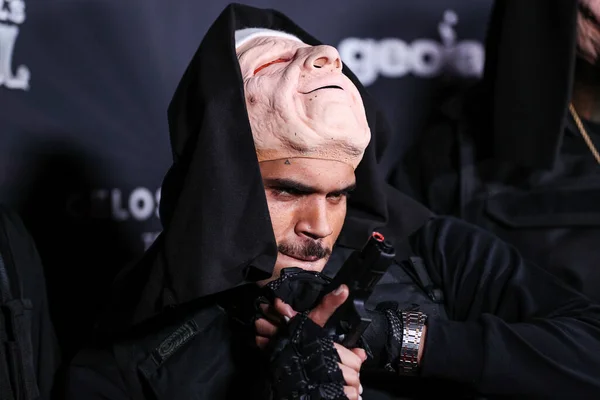
Chris Brown remains one of the most divisive artists in modern R&B. Fans who defend him cite his dancing, vocals, and a long run of hits. Fans who dislike him often say the offstage controversies make it hard to separate the music from the public image.
That split has followed him for years. His talent keeps him commercially relevant, but his reputation keeps him on lists like this. Ranker places Chris Brown at No. 12, with more than 16,000 votes and a 74% upvote rate.
Nickelback
Nickelback may be the most famous “hated” band in modern rock, which is almost unfair considering how successful they became. Their songs were everywhere in the 2000s, and that became part of the problem. Too much radio play turned familiarity into fatigue, then fatigue turned into internet comedy.
The hate eventually became bigger than the band itself. People mocked Nickelback even when they secretly knew the choruses. A data-based Best Life ranking named Nickelback the most hated rock band of all time, giving them the highest “Hated Band Index” score on its list.
Conclusion
The most hated musicians are rarely ignored. They are usually the ones fans cannot stop talking about, even when the conversation is brutal. Some are disliked because their fame felt forced. Some are hated because controversy drowned out the music. Others became memes because their sound was everywhere at the wrong time. In music, love sells records, but hate can build a legacy too.