Former NFL Trailblazer Daniel Adongo Deported to Kenya After Years-Long Immigration Battle
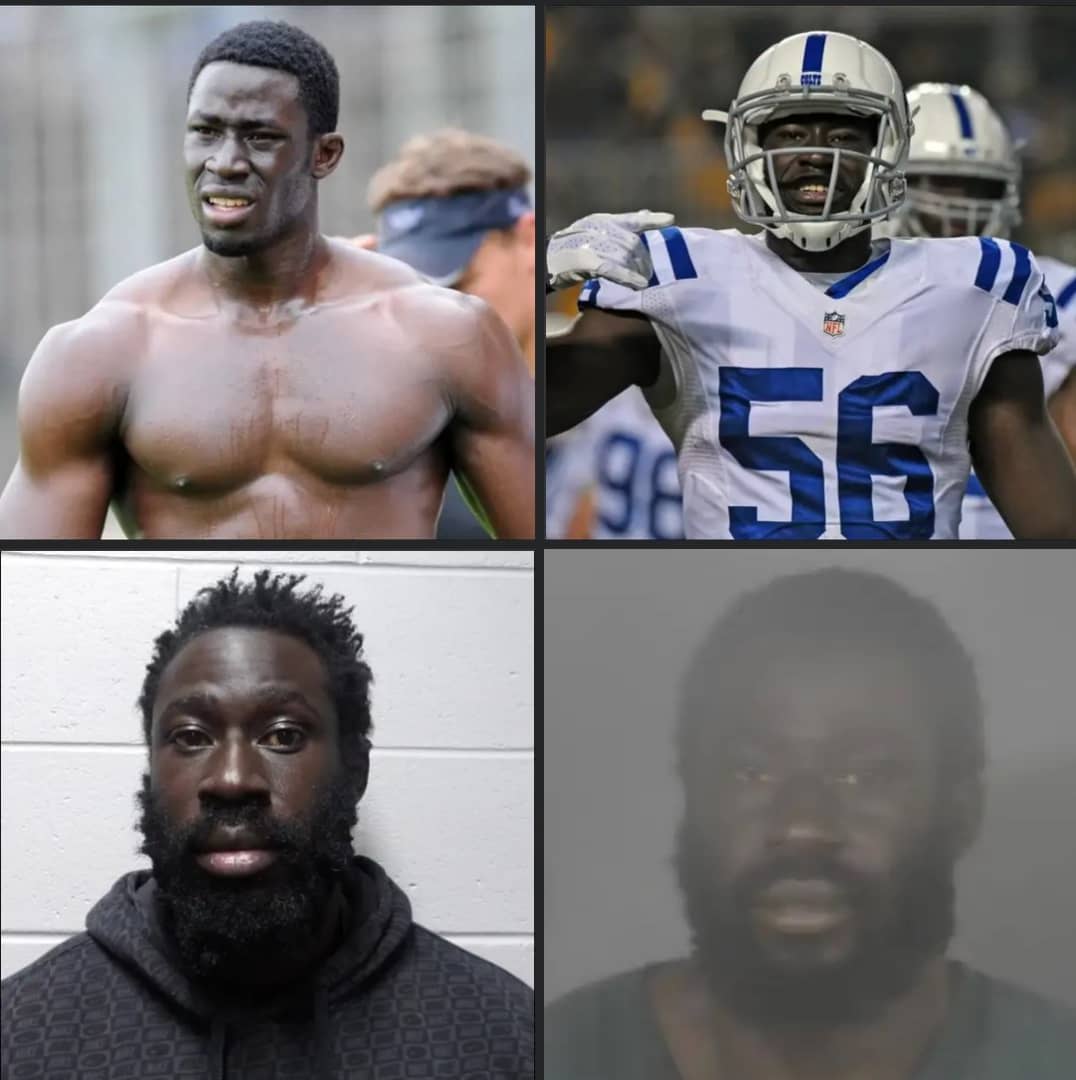
Daniel Adongo’s NFL dream made history. Years later, he returned to Kenya under very different circumstances
Daniel Adongo once represented a story that seemed almost impossible. A rugby player from Kenya with no traditional American football background walked into the NFL and earned a place with the Indianapolis Colts. His journey became a symbol of ambition, international talent, and the possibility of breaking barriers in professional sports.
More than a decade later, his name is making headlines again, but for a completely different reason.
Adongo, who became the first Kenyan-born player to appear in an NFL game, has been deported from the United States after immigration authorities said he remained in the country after his visa expired.
His story now raises a bigger question about what happens to athletes when the spotlight disappears: What support exists for players when their professional dreams end but their personal battles continue?
ICE says former Colts player was removed from the United States
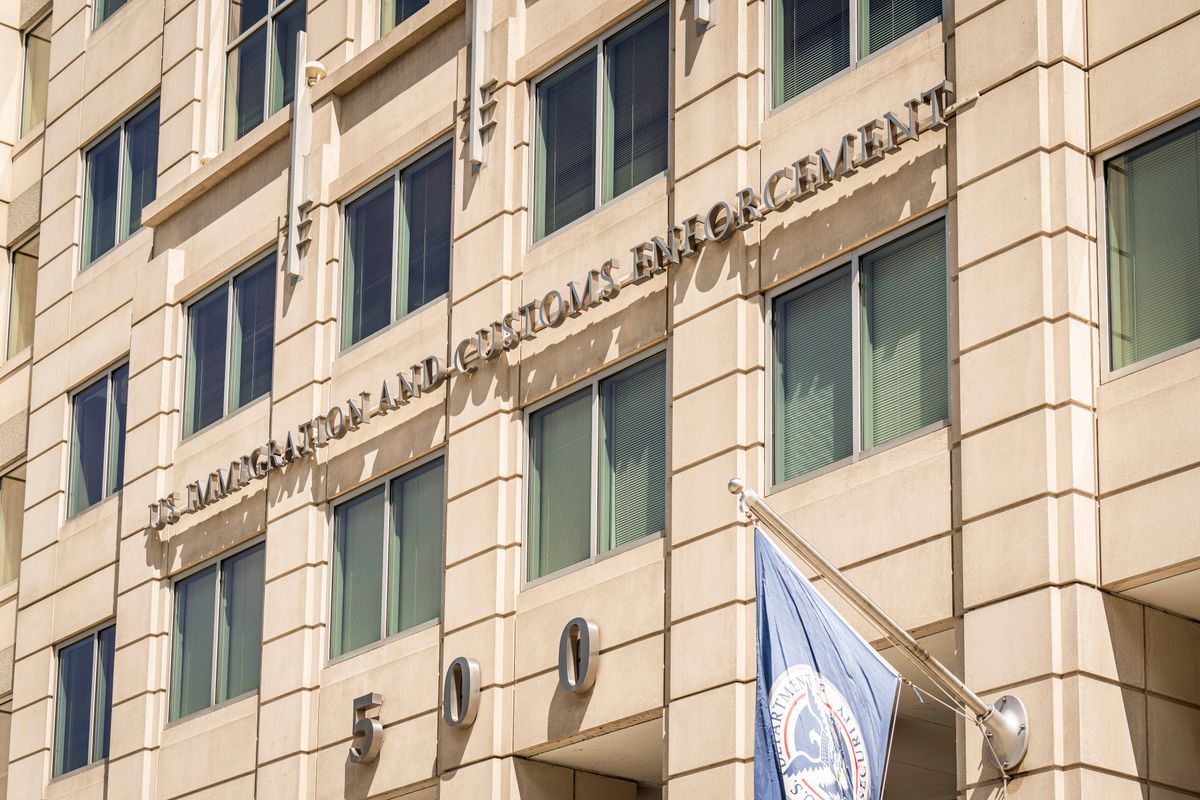
U.S. Immigration and Customs Enforcement announced on July 25, 2026, that it had removed Adongo from the United States and returned him to Kenya.
According to ICE, a Department of Justice immigration judge ordered Adongo’s removal on March 23, 2026. The agency carried out the deportation on June 20. Federal authorities said Adongo had remained in the country after his visa expired in 2016, roughly one year after his NFL career ended.
The 37-year-old had reportedly been held at the Miami Correctional Facility in Indiana before his removal. ICE said his immigration detention was connected to his unlawful status and recent criminal charges that fell under the Laken Riley Act.
That law, signed by President Donald Trump on January 29, 2025, requires the detention of certain immigrants who are accused or convicted of specified crimes while lacking legal immigration status.
ICE presented Adongo’s deportation as part of its broader effort to prioritize immigrants with criminal records. “Those who violate immigration law are held equally accountable, including former professional athletes,” ICE Chicago Assistant Field Office Director Douglas Thompson said in the agency’s announcement
However, records surrounding Adongo’s legal history also include dismissed charges, an important distinction when looking at the full picture of his case.
From Kenyan rugby fields to the Indianapolis Colts
Before he became an NFL player, Adongo was known as a rugby athlete. His unusual journey began when American football scouts noticed his physical abilities and potential. Unlike most NFL players, Adongo did not come through the American college football system.
Instead, he attempted one of the most difficult transitions in sports: moving from rugby into professional American football. The Indianapolis Colts signed him in 2013, giving him an opportunity that few athletes ever receive.
His arrival was historic. Adongo became the first Kenyan-born player to play in the NFL, creating excitement among sports fans in Kenya and beyond.
Although his NFL career was short, appearing in five games over two seasons, his achievement carried symbolic importance. He showed that talent could come from unexpected places and that athletes from outside the traditional football pipeline could still reach America’s biggest sports stage.
But after the Colts released him in 2015, his professional football career came to an end.
Life after football became far more complicated
For many professional athletes, retirement or release from a team can bring major changes. The structure of daily training disappears. The income changes. The public attention fades.
For international athletes, there can also be immigration challenges.
Adongo’s visa situation became a central issue after his NFL career ended. According to ICE, his legal authorization to remain in the United States expired in 2016. The years that followed included legal problems and mental health concerns reported by people close to him.
In 2017, a judge reportedly found Adongo mentally incompetent during a legal proceeding, and he received psychiatric treatment. Reports also raised concerns about possible brain injuries and mental health struggles. However, conditions such as chronic traumatic encephalopathy, commonly known as CTE, cannot be confirmed in living individuals.
Those details have added complexity to a story that might otherwise be viewed only through the lens of immigration enforcement.
A reminder that athletes are people beyond the jersey
Adongo’s case has become more than an immigration story. It is also a reminder that professional athletes often face difficult transitions after their careers end. Fans usually see the highlight moments: the contract signing, the game appearance, and the achievement.
They rarely see the challenges that can come afterward.
For international players, leaving a professional league may also mean losing the very connection that brought them to the country in the first place. A player who once had a team, coaches and a support system may suddenly have to navigate complicated legal, financial and personal decisions alone.
Adongo’s experience does not erase the importance of following immigration laws or accepting responsibility for criminal convictions. But it does raise questions about whether more support systems are needed for athletes who move across borders to chase professional dreams.
Why Daniel Adongo’s story matters in Kenya and the United States

In Kenya, Adongo remains a unique figure in sports history. He achieved something no Kenyan had achieved before by reaching the NFL. His story showed young athletes that international opportunities were possible, even outside traditional sports pathways.
In the United States, his deportation highlights a broader conversation about immigration enforcement and how legal status can affect people from all backgrounds, including those who once achieved public success. His case also shows that fame does not create permanent protection from immigration rules.
A professional sports career can open doors, but it does not automatically guarantee long-term stability.
The next chapter remains unwritten
Adongo has now returned to Kenya, the country where his journey began. The next stage of his life is uncertain. What is clear is that his story contains both extraordinary achievement and serious challenges. He went from becoming a symbol of possibility in the NFL to becoming the subject of an immigration case years later.
For many people watching from the outside, the easy reaction may be to focus only on the football career or only on the deportation. But the bigger story is about what happens after the dream. Because behind every athlete who reaches the highest level of competition is a person who still has to navigate life when the stadium lights turn off.
Daniel Adongo’s journey is a reminder that success is not always a straight line. A person can make history, inspire millions, and still face struggles that are invisible to the public.
The question left behind is not only what happened to a former NFL player, but whether society does enough to support people after their greatest achievement has already happened.