ABC’s Decision to Skip Trump’s Speech Sparks FCC Review
A prime-time programming choice has grown into a confrontation over presidential power, government regulation and editorial freedom.
Federal Communications Commission Chairman Brendan Carr said ABC’s decision not to carry President Donald Trump’s July 16 White House speech live could be raised during the agency’s review of eight ABC-owned television stations. The remark placed a newsroom judgment inside a regulatory process that could affect major local broadcast licenses.
ABC and NBC declined to interrupt their regular schedules for Trump’s address, although their news operations streamed the speech online. CBS, Fox and some independently owned affiliates carried the remarks. Trump responded by saying ABC and NBC stations should lose their licenses.
Carr says presidential speeches deserve live coverage
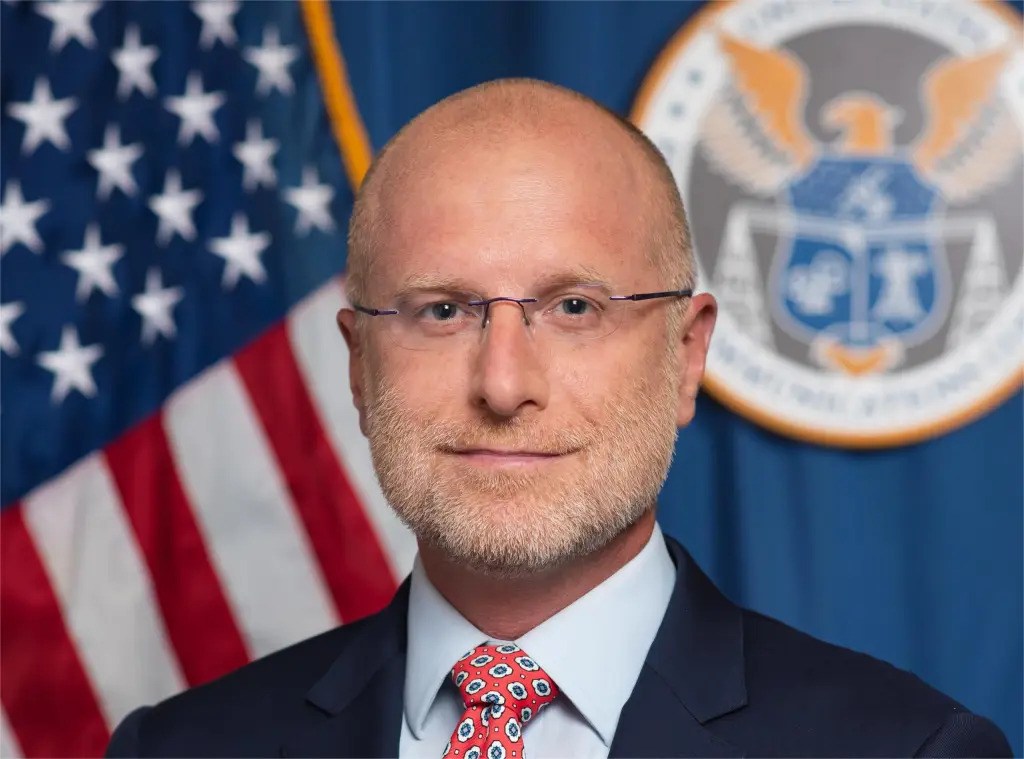
Carr told reporters that when a president delivers an important address from the White House, broadcasters should carry it. He said the FCC would hold broadcasters to their public-interest responsibilities and indicated that ABC’s choice could become one of the issues raised in the proceeding.
That does not mean the FCC has ruled that ABC broke the law. Carr did not identify a regulation requiring stations to air every presidential speech, and no license has been revoked. His comments, however, increased pressure on Disney while its stations were already facing unusual scrutiny.
The controversy also exposes a common misunderstanding. ABC does not possess one national license that the government can simply cancel. The FCC licenses individual local stations in New York, Los Angeles, Chicago, Philadelphia, Houston, San Francisco, Fresno and Durham, North Carolina.
Eight ABC stations were already under early review
The dispute did not begin with Trump’s speech. In April, the FCC’s Media Bureau ordered the eight Disney-controlled stations to seek renewal earlier than their normal deadlines.
The agency said it had been investigating Disney and ABC for possible violations of federal communications law and FCC rules, including the prohibition against unlawful discrimination. The order required the station licensees to submit renewal applications for further review.
Disney complied under protest and described the accelerated order as unlawful, arbitrary, and unconstitutional. The process also allowed members of the public to submit comments about the stations and their records.
Carr’s latest statement broadens the political importance of that proceeding. What began as an investigation tied to employment and diversity practices may now include a decision about whether to replace entertainment programming with a presidential address.
Gomez warns the FCC cannot dictate coverage
FCC Commissioner Anna Gomez, the commission’s only Democrat, rejected the idea that broadcasters can be punished for declining to air the speech.
Gomez said ABC and NBC made the same type of editorial decisions networks have made under presidents from both parties. She called Trump’s license demand an attempt to bully broadcasters and argued that the FCC has no authority to punish a station for refusing to carry a political address.
Her argument goes beyond party politics. A government order telling a station what it must broadcast can raise a compelled-speech problem, while an order forbidding content can raise a censorship problem. Both questions collide with the First Amendment and legal limits on FCC interference with broadcast speech.
Gomez has also stressed that revocation is not a quick punishment available on presidential command. A contested renewal can involve public comments, a hearing before an administrative law judge, review by the full commission, and a federal court challenge. The process can take years.
Networks have skipped presidential speeches before
Presidents traditionally receive extensive television coverage, especially during emergencies and major policy announcements. But the White House does not automatically control a commercial network’s prime-time schedule.
Reuters reported that broadcasters have previously declined to carry speeches by Democratic presidents Barack Obama and Joe Biden. Networks may consider whether an address contains new information, resembles a campaign event, or repeats arguments already covered.
That history creates a difficult consistency test. A standard applied to ABC under Trump would also need to apply when future presidents demand live airtime. Otherwise, the licensing process could appear to reward favorable coverage and punish unfavorable editorial judgment.
The public-interest standard drives the dispute
Carr’s position rests on the responsibilities attached to broadcast television. Local stations use federally licensed airwaves and must demonstrate that they serve the public interest when seeking license renewal.
Supporters of stronger oversight argue that broadcasters receive valuable access to limited spectrum and should not be treated exactly like newspapers, cable channels or streaming platforms. From that perspective, carrying a major White House address may be part of a station’s civic responsibility.
Critics counter that the public-interest standard cannot become a blank check for political control. If regulators can treat one rejected speech as evidence against renewal, editors may begin making coverage decisions out of fear of retaliation. Gomez has argued that using the licensing process to punish editorial choices would violate constitutional protections.
That pressure could reach beyond ABC. Local stations might feel pushed to carry speeches or political events they would otherwise cover through excerpts, analysis or streaming.
The outcome could shape every major broadcaster
The FCC can continue reviewing the applications, request more information or identify issues for a formal hearing. Disney can challenge an adverse decision through the agency and the courts.
The central question is no longer simply whether ABC should have aired Trump live. It is whether a federal regulator can place that editorial choice inside a license proceeding after the president publicly demanded punishment.
Carr sees accountability tied to the privilege of using public airwaves. Gomez sees pressure that threatens independent journalism.
The legal fight may take years, but its practical effect could arrive sooner. Every broadcaster now knows that a decision not to carry a presidential speech may be remembered when its license comes up for review.