7 Common Kitchen Habits That Waste More Food Than You Realize
You open the refrigerator looking for something to cook and find wilted greens, forgotten leftovers, and a container you can barely remember putting away.
In the pantry, two packages of the same ingredient sit open, while fresh groceries bought with good intentions remain unused. These everyday situations can contribute to food waste, even when you are trying to be careful with your grocery budget.
The solution does not always mean shopping less or changing everything about your cooking routine. Sometimes, a few simple adjustments to how you store, prepare, and use food can help you get more out of the groceries you already have.
Pushing Older Food to the Back of the Refrigerator
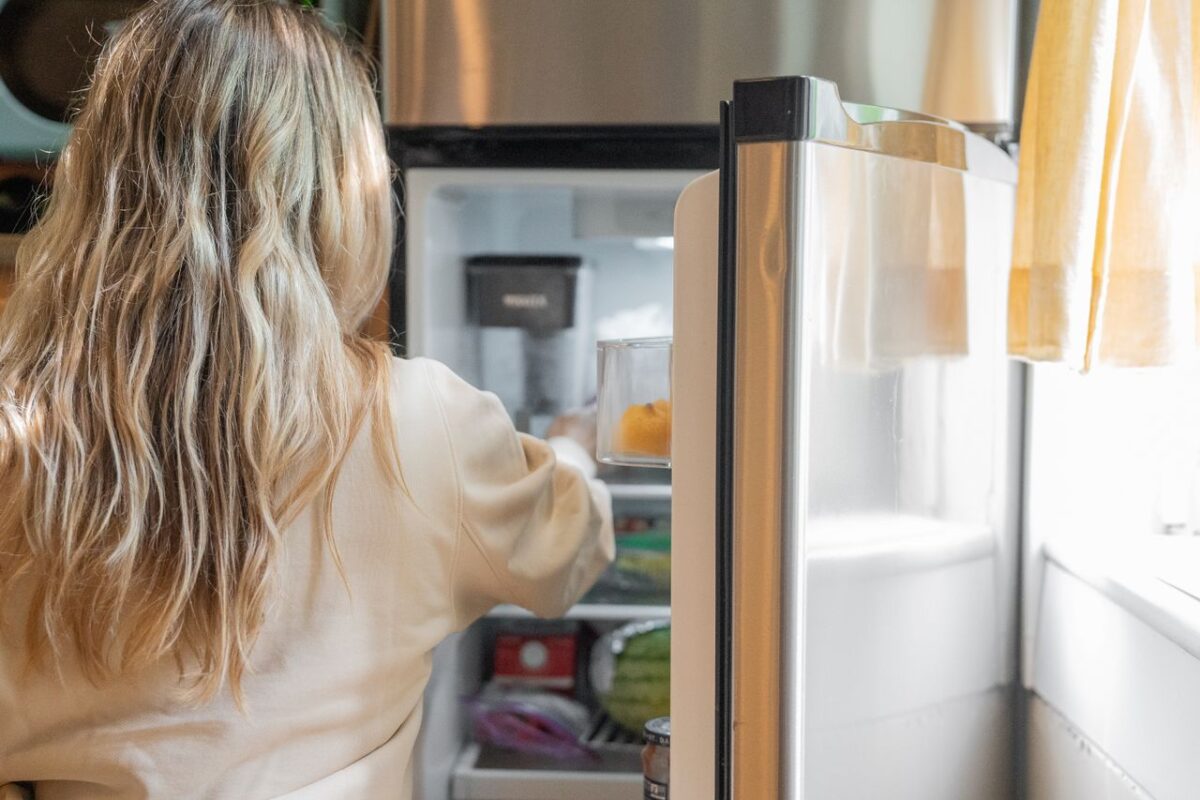
When groceries come home, it is tempting to place new purchases wherever there is room. Older ingredients and leftovers can disappear behind newer containers, making them easier to overlook when you are deciding what to eat.
Create a small, visible area for food that needs attention soon. Keep appropriately stored leftovers and ingredients there, label containers, and check the refrigerator before writing your shopping list. The FDA’s food waste guidance recommends regularly checking refrigerator contents and using or freezing food before it must be discarded.
Keep your refrigerator at 40°F or below, and leave enough space for cold air to circulate. Good organization helps you find food, but proper storage remains essential.
Cooking More Than Your Household Can Eat
A large pot of soup or a full casserole can be convenient. The problem arises when you prepare more than your household can realistically use and have no plan for the extra portions.
Before cooking, consider how many people will eat and whether anyone will be away for a meal. Adjust recipe quantities when necessary, or deliberately plan to refrigerate or freeze the extra food. EPA recommends matching cooking and serving portions to household needs.
Cooking extra is not automatically wasteful. A large casserole makes sense when the remaining servings already have a purpose, whether that means another dinner or lunches.
Buying Fresh Produce Without Planning How to Use It
A colorful display of apples, salad greens, peppers, and fresh herbs can make almost anyone want to fill a shopping cart. But buying produce without deciding when or how to use it can leave you with more perishable food than your household can manage.
Give each purchase a realistic purpose before you shop. If you want salad greens for lunch, estimate how much you will use and add that quantity to your list. Check your refrigerator first, so you do not buy another bag unnecessarily.
The EPA’s guide to preventing wasted food at home encourages meal-based shopping lists with quantities that reflect your plans. Fresh produce is not the problem; buying more than you can realistically use deserves a second look.
Related: 6 Kitchen Storage Habits That Are Quietly Shrinking Your Small Kitchen
Keeping Leftovers Without Planning a Second Meal
Putting leftovers in the refrigerator feels responsible, but storing food is only half the job. When containers have no labels or intended use, they can sit untouched while you prepare something new.
Give leftovers a destination before putting them away. Label a container with its contents and date, then decide whether it belongs in tomorrow’s lunch, another dinner, or the freezer. Suitable leftovers can also become ingredients in soups, casseroles, stir-fries, or frittatas.
Food safety still matters. Refrigerate perishable leftovers within two hours, or within one hour when temperatures exceed 90°F, and maintain a refrigerator temperature of 40°F or below. Follow food-specific storage recommendations rather than leaving containers indefinitely.
Opening Duplicate Pantry Packages Before Finishing Existing Ones
It is easy to tear open a fresh bag of rice, flour, or cereal without checking whether another package is already open. This does not automatically mean food will go to waste, but scattered supplies can make it harder to track what you have.
Group opened packages together so you can see them at a glance. Before opening another bag, check the existing supply and finish it when practical. Keep unopened backups behind packages already in use, provided the arrangement suits the product’s storage instructions.
EPA recommends checking pantry supplies before shopping and using suitable airtight containers for pantry staples. A little organization can help you use what is available before buying more.
Related: The ’60s kitchen code: 7 habits that are now illegal and why
Discarding Usable Portions of Suitable Ingredients
Some ingredients offer possibilities beyond the part you usually cook with. Beet greens can become a cooked side dish, while stale bread can become croutons or French toast. EPA includes these among its suggestions for using edible portions that might otherwise be discarded.
You do not need to turn every kitchen scrap into something edible. Instead, choose one practical reuse that fits your cooking habits. If you buy beets with suitable greens attached, plan a dish that uses them.
Make sure anything you keep is edible, properly stored, and suitable for the intended preparation. Stale bread may work for a recipe, but moldy bread should not be treated as a salvage opportunity.
Throwing Food Away Solely Because a Quality-Based Date Label Has Passed
Seeing a past date on a package may lead you to discard it immediately, even when the wording refers to expected quality rather than an automatic discard deadline. Still, not every product’s date means the same thing.
The FDA explains quality-based date labeling, including “Best if Used By,” which indicates when a product is expected to have its best flavor or quality. It does not replace storage instructions or food-specific handling guidance. Infant formula is an important exception to the discussion of voluntary quality-based dating.
Read each package, consider storage history, and follow applicable instructions. Do not rely on appearance or smell alone to determine safety. The goal is not to keep everything indefinitely, but to make informed decisions.