Why Trump’s Tariffs Are Forcing the U.S. to Return Billions
President Donald Trump’s sweeping tariff campaign was designed to produce a powerful combination of government revenue, economic leverage and protection for American industries. Instead, one of the administration’s most ambitious economic measures has triggered an extraordinary reversal: Washington is now returning tens of billions of dollars to the businesses that originally paid the import taxes.
The shift followed a landmark 6–3 Supreme Court ruling that rejected the administration’s attempt to impose tariffs under the International Emergency Economic Powers Act (IEEPA). The justices concluded that the emergency law did not give the president authority to levy tariffs at his sole discretion. As we examine the financial consequences, we find that the ruling did more than defeat a signature trade policy. It transformed tariff revenue from a celebrated source of federal income into a multibillion-dollar refund obligation—one large enough to affect the federal budget each month.
Supreme Court Rejects Trump’s Use of Emergency Powers
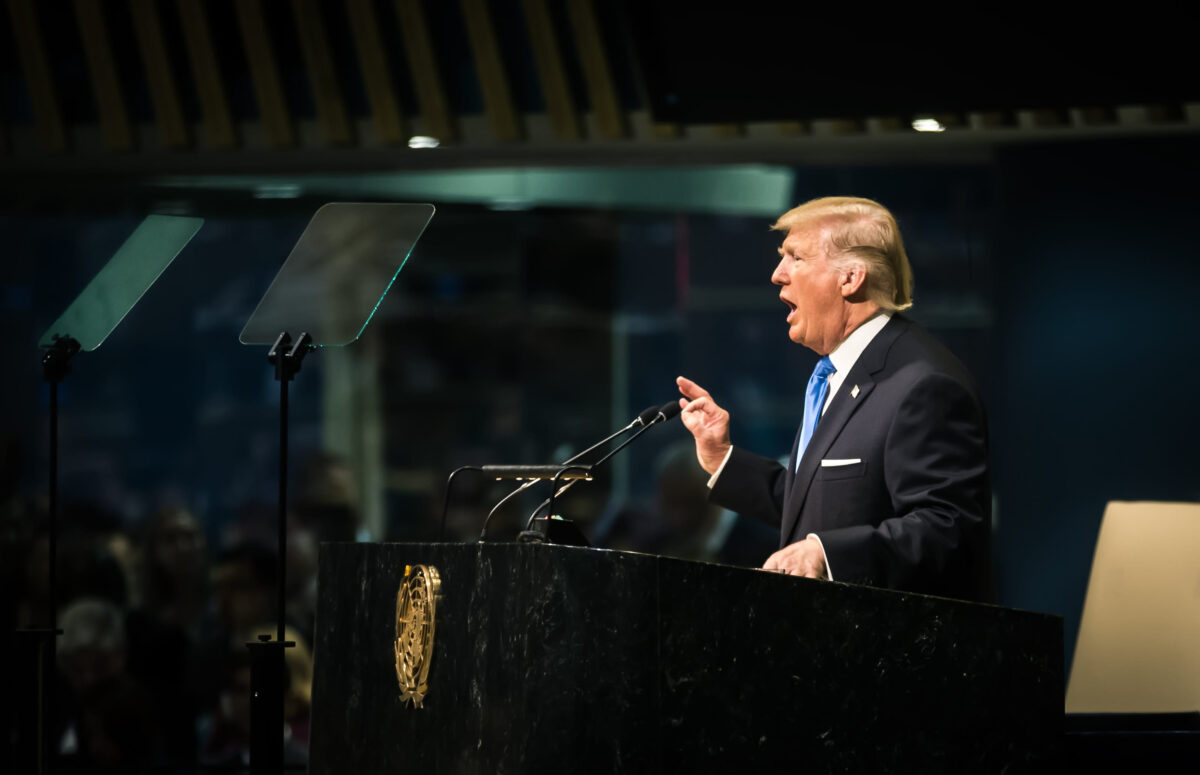
At the center of the dispute was a basic question of presidential authority: Could Trump use a national emergency law to impose broad import taxes on goods entering the United States? The administration argued that persistent trade deficits and drug trafficking represented national emergencies requiring rapid action. Trump relied on IEEPA, a 1977 law traditionally associated with sanctions, financial restrictions, and other responses to foreign threats. Using that statute, the administration imposed tariffs on imports from major trading partners and applied wider “reciprocal” duties across much of the global economy. The tariffs included duties connected to trade deficits and separate measures targeting goods from Canada, Mexico, and China. The Supreme Court ruled that the law’s power to “regulate importation” did not include an unlimited power to impose tariffs.
The majority emphasized that the Constitution gives Congress the authority to establish taxes, duties, and import charges. The president has no independent peacetime power to create tariffs unless Congress clearly delegates that authority through legislation. That distinction became decisive. The Court did not rule that every presidential tariff was unlawful. Instead, it found that IEEPA was the wrong legal tool for imposing them. The decision dismantled the legal foundation supporting Trump’s broadest global tariffs and opened the door for importers to recover money collected under the invalidated measures.
How a Revenue Windfall Became a Massive Refund Bill
The administration had repeatedly highlighted tariff collections as evidence that its trade strategy was strengthening federal finances. Import duties were portrayed as money paid by foreign countries and as a new stream of income that could help fund government priorities. In practice, tariffs are collected from American importers when goods enter the country. Those companies may absorb the expense, negotiate lower prices with suppliers, or pass some of the cost to customers through higher retail prices. Once the Supreme Court ruled that the government lacked authority to collect the IEEPA tariffs, Washington faced a difficult reality: money obtained under the invalidated policy had to be returned to the companies that paid it.
The financial reversal became especially visible in June 2026. The Treasury collected $23.6 billion in gross customs duties during the month but issued approximately $49.2 billion in refunds. That left the government with a net customs outflow of roughly $25.6 billion. Refunds had already reached about $22 billion in May, meaning approximately $71 billion was returned over two months. That represented about 42% of the roughly $166 billion in IEEPA-based tariffs collected by Customs and Border Protection and considered subject to repayment. What had once been presented as a reliable revenue generator had temporarily become a significant drain on the Treasury.
Tariff Refunds Reshape the Federal Budget
The consequences extended beyond trade policy. The surge in tariff refunds helped push the June federal budget into a $120 billion deficit, reversing a reported $27 billion surplus during the same month a year earlier. Tariff refunds were not the only reason for the budget change. Federal spending, tax receipts, benefit-payment timing, and rising interest costs also influenced the final result. However, returning nearly $50 billion in customs duties in a single month placed unmistakable pressure on government finances.
Total federal receipts fell to approximately $496 billion in June, while government outlays reached around $616 billion. The Treasury’s interest expenses also increased substantially as the cost of servicing the national debt remained elevated. The numbers reveal why the tariff defeat matters beyond the courtroom. The administration had counted import taxes as an important component of its broader economic agenda. When those collections were invalidated, the government lost both expected future income and a large share of money it had already received. We are therefore watching two financial effects unfold simultaneously: tariff revenue is disappearing while refund payments are increasing.
The Companies Receiving the Money Paid the Tariffs
The refunds are generally going to importers rather than directly to individual shoppers. This point is critical because the political debate surrounding tariffs often suggests that foreign governments write checks to the United States. In reality, Customs and Border Protection collects the duties from businesses importing foreign-made products. Those businesses include retailers, manufacturers, automobile companies, food producers, and smaller firms that depend on international supply chains. Some challenged the tariffs before the Supreme Court issued its decision, hoping to protect their ability to seek repayment. Businesses including Costco, Revlon, and Bumble Bee Foods were among the companies that pursued tariff refund claims before the ruling. Their legal actions reflected concerns that the refund process could become complicated, slow, or dependent on individual claims.
Consumers who paid higher prices because businesses passed along tariff costs are not automatically entitled to government refunds. The importer remains the party that submitted the payment to Customs. That creates a second debate: What should companies do after recovering tariff money? Some businesses could use refunds to lower prices, rebuild margins, increase investment, or cover expenses created by the original trade policy. Others may face pressure from customers who believe they paid tariff-related price increases and therefore deserve a share of the benefit. The Supreme Court resolved the question of presidential authority, but it did not create a direct compensation system for households.
Why Returning the Money Is So Complicated
Refunding an ordinary customs overpayment is relatively routine. Refunding duties tied to hundreds of thousands of import transactions is not. The government must verify import records, identify the IEEPA portion of each payment, calculate applicable interest, and ensure that standard customs duties remain untouched. A product may have been subject to several charges at once, only one of which was invalidated. Customs officials, therefore, cannot simply reverse every payment associated with an imported product. They must separate the unlawful emergency tariff from duties imposed under other valid trade laws. The scale is unprecedented. Thousands of companies imported millions of shipments under the tariff system, creating an enormous administrative challenge for Customs, the Treasury Department, and the specialized Court of International Trade.
Trade attorneys warned soon after the decision that the process could become difficult for both importers and government agencies. Justice Brett Kavanaugh, who dissented from the ruling, predicted that refunding the money would likely become a “mess” because the majority did not provide detailed instructions for returning the collected duties. Customs later developed a centralized system for processing IEEPA refund requests, allowing importers and authorized brokers to group eligible entries rather than handling each shipment through a separate manual proceeding. The system was intended to expedite the processing of valid claims while reducing the administrative burden on government officials. Even with automation, the refund operation may continue for months as officials review claims and distribute remaining payments.
Trump Still Has Other Ways to Impose Tariffs
The Supreme Court decision weakened Trump’s tariff strategy, but it did not eliminate presidential influence over trade policy. Several federal statutes explicitly permit presidents to impose import duties under defined circumstances. These laws include Section 301 of the Trade Act of 1974, which can authorize tariffs against countries accused of discriminatory or unreasonable trade practices. Unlike IEEPA, however, Section 301 requires procedural steps. The administration may need to conduct investigations, invite public comments, hold hearings, and document the foreign trade behavior being challenged.
The Trump administration has moved to rebuild parts of its tariff system using these alternative powers. Officials have investigated forced labor in foreign supply chains and global overproduction that they argue harms American manufacturers. Proposed tariffs could replace some of the revenue and trade pressure lost after the Supreme Court ruling. These alternatives are more legally durable because Congress specifically included tariff authority in the statutes. But they are also less flexible. The president cannot necessarily announce, change, or expand them instantly without satisfying statutory requirements. That means the administration may restore portions of the tariff wall, but it cannot simply recreate the entire IEEPA system under a new label without risking another legal challenge.
A Major Warning About the Limits of Presidential Power
The refund crisis has become one of the clearest examples of how aggressively using executive authority can produce costly consequences. Trump’s tariffs were intended to confront trade deficits, pressure foreign governments, encourage domestic manufacturing and produce substantial federal revenue. Yet the administration chose a law that did not explicitly mention tariffs and attempted to use it on a scale never previously tested. When the Supreme Court rejected that interpretation, the policy did not merely stop. The government became responsible for unwinding months of collections, processing an enormous volume of claims, and returning billions that had already entered federal accounts.
For businesses, the ruling offers financial relief and greater clarity about the limits of emergency tariff powers. For the administration, it creates a race to construct a replacement system using laws that expressly authorize import duties. For taxpayers and consumers, the outcome is more complicated. The refunds may strengthen businesses’ balance sheets and reduce pressure for future price increases, but they will not necessarily result in refunds to shoppers who previously paid more for imported goods.
The Tariff Plan’s Most Expensive Reversal
Trump’s tariff agenda has not disappeared, and new duties may continue under other sections of federal trade law. But the central promise of a rapid, worldwide tariff system powered by emergency authority has suffered a historic setback. We can now see the full extent of the reversal. A policy promoted as a source of billions in new revenue is forcing Washington to return much of that money.
A measure designed to demonstrate executive strength has instead reaffirmed Congress’s constitutional control over tariffs. And a program meant to place economic pressure on foreign nations has left the U.S. government managing one of the largest customs refund operations in its history. The administration may rebuild its tariff wall, but it cannot recover what the Supreme Court took away: the power to impose sweeping import taxes under an emergency law that never clearly granted it.