Britain’s Most Notorious Child Sex Offender Richard Huckle Murdered Inside Prison After Fellow Inmate’s “Poetic Justice” Attack
Richard Huckle was already serving one of the longest prison sentences ever handed to a British child sex offender when his life ended behind bars in a shocking act of violence.
The 33-year-old, who had been convicted of abusing vulnerable children across Southeast Asia, was found dead inside his cell at HMP Full Sutton in East Yorkshire in October 2019. His killer was fellow prisoner Paul Fitzgerald, who later told authorities he wanted Huckle to experience the pain suffered by his victims.
The killing sparked national attention, not only because of Huckle’s horrific crimes, but because of questions surrounding how a dangerous prisoner with a history of violent thoughts was able to carry out such a prolonged attack inside a high-security prison.
Richard Huckle’s crimes shocked Britain
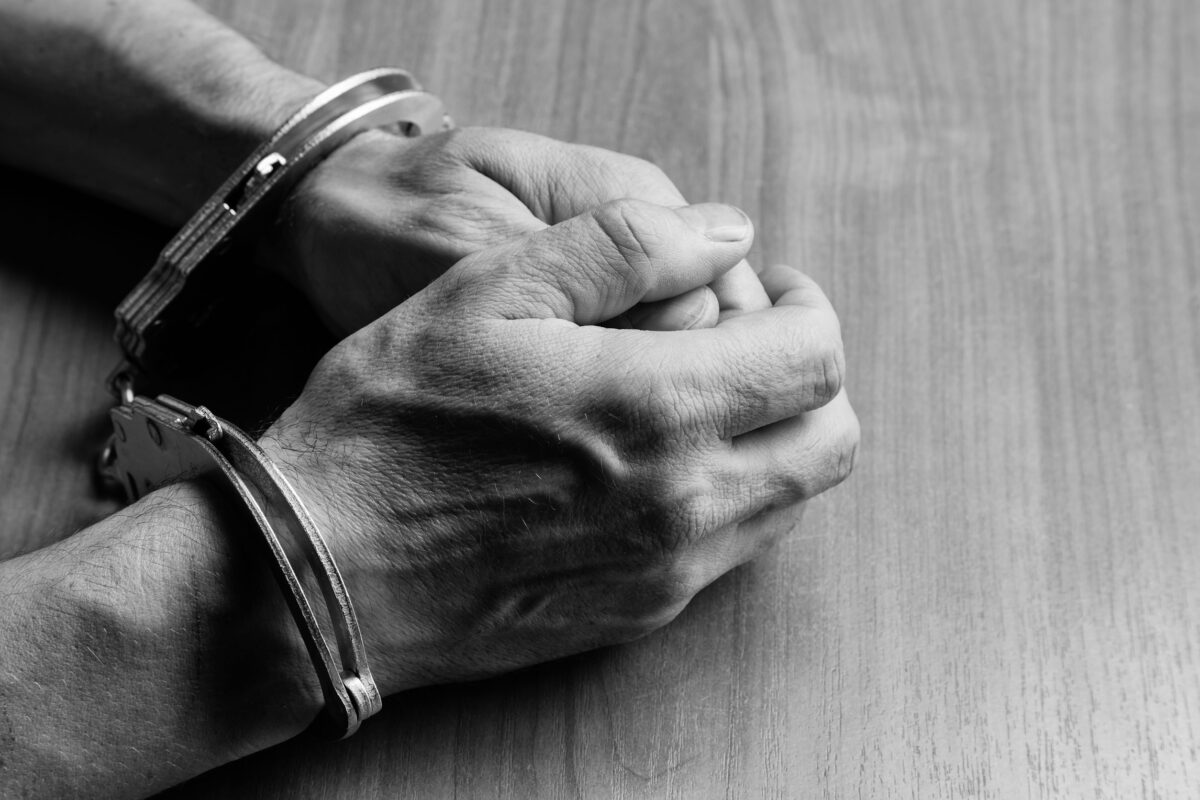
Before his imprisonment, Richard Huckle presented himself as a photographer, volunteer and English teacher while living in Malaysia. Prosecutors said he used those roles to gain access to vulnerable children and committed years of abuse between 2006 and 2014.
When police investigated his crimes, they uncovered evidence that revealed the scale of his offending. Huckle admitted to multiple sexual offenses against children, while investigators found material suggesting he had targeted many more victims.
During his trial at the Old Bailey in 2016, prosecutors said Huckle had abused children as young as six months old. The court heard that his victims included children from poor and vulnerable backgrounds who had been placed in situations where they trusted him.
Huckle also stored and shared thousands of indecent images of children, according to investigators. Authorities discovered that he had documented some of his crimes and attempted to communicate with other offenders online.
The judge described Huckle’s actions as among the worst child abuse cases seen in British courts. He was sentenced to 22 life sentences, with a minimum term of 25 years before he could apply for parole.
For many people, the sentence reflected the scale of the damage caused by his crimes. Families and victims were left dealing with the consequences of abuse that prosecutors described as deliberate, calculated and repeated.
A prison attack that lasted nearly 80 minutes

On October 13, 2019, Huckle was attacked inside his prison cell by Paul Fitzgerald, another inmate serving time at HMP Full Sutton.
The attack was not a sudden confrontation between prisoners. Prosecutors later described it as a planned and prolonged assault. Reports from the trial stated that Fitzgerald carried out the attack over approximately 78 minutes before prison staff intervened.
Fitzgerald had a history of violent behavior and had previously expressed disturbing thoughts involving extreme violence. Investigators later examined whether warning signs before the attack should have led to stronger intervention.
During Fitzgerald’s murder trial, prosecutors told the court that he had spoken about wanting Huckle to experience the suffering of the children he had abused.
Fitzgerald reportedly told authorities that he wanted Huckle to “feel what all those children felt” and described the killing as “poetic justice.”
However, the court rejected the idea that the murder was simply an act of revenge for Huckle’s victims. The judge said Fitzgerald’s actions were also driven by his own violent interests and fantasies.
In 2020, Fitzgerald was convicted of murder and sentenced to life imprisonment. He was ordered to serve at least 34 years before becoming eligible for parole.
Questions raised about prison safety
After Huckle’s death, investigators examined how Fitzgerald was able to carry out such a serious attack despite his background.
A report by the Prisons and Probation Ombudsman found that Fitzgerald had previously displayed serious warning signs. He had been assessed as having a personality disorder with psychopathic traits and had spoken about violent fantasies.
The investigation found that some concerns about Fitzgerald’s behavior were not acted on quickly enough. Officials identified missed opportunities to recognize the risk he posed before the attack happened.
The case raised broader questions about how prisons manage inmates with serious mental health issues and violent histories.
High security prisons are designed to contain some of the most dangerous offenders in society. However, Huckle’s murder showed that even within those facilities, failures in communication and risk assessment can have devastating consequences.
A case remembered for two disturbing legacies
Richard Huckle’s death created a complicated and unsettling chapter in one of Britain’s most disturbing criminal cases.
His crimes against children resulted in one of the harshest sentences handed down in modern British legal history. His conviction revealed the devastating impact of online exploitation and the ways offenders can manipulate trust to commit abuse.
But his murder also became a separate case about prison responsibility, security failures and the challenge of managing dangerous individuals behind bars.
Paul Fitzgerald may have viewed the killing as punishment for Huckle’s crimes, but the court made clear that murder inside a prison cannot be justified as justice.
The victims of Huckle’s abuse remain at the center of the story. Their suffering was caused long before the prison attack, and the consequences of those crimes continue long after both men became part of Britain’s criminal history.