ICE’s DNA dragnet is quietly turning civil detainees into permanent suspects
A cotton swab inside the cheek may look harmless. Yet for hundreds of thousands of immigrants taken into federal custody, that brief encounter can create a genetic record that follows them long after an immigration case ends. The most unsettling part of ICE’s expanding DNA collection program is not simply its size. It is the way civil detention is becoming a gateway into America’s criminal policing infrastructure.
Georgetown Law’s Center on Privacy and Technology estimates that Immigration and Customs Enforcement may have added roughly 920,000 DNA profiles to the FBI’s Combined DNA Index System, known as CODIS, during 2025. Many people in immigration custody have no criminal conviction, and some profiles reportedly came from young children. What appears to be an immigration enforcement policy is becoming something larger: a quiet redefinition of who the government treats as a possible future suspect.
To understand why this matters, we must look beyond the cheek swab itself. The sections below examine how civil immigration detention feeds a criminal DNA database, why children have become part of the controversy, and how a temporary arrest can create a genetic record that may last for decades.
A civil arrest can leave a criminal footprint
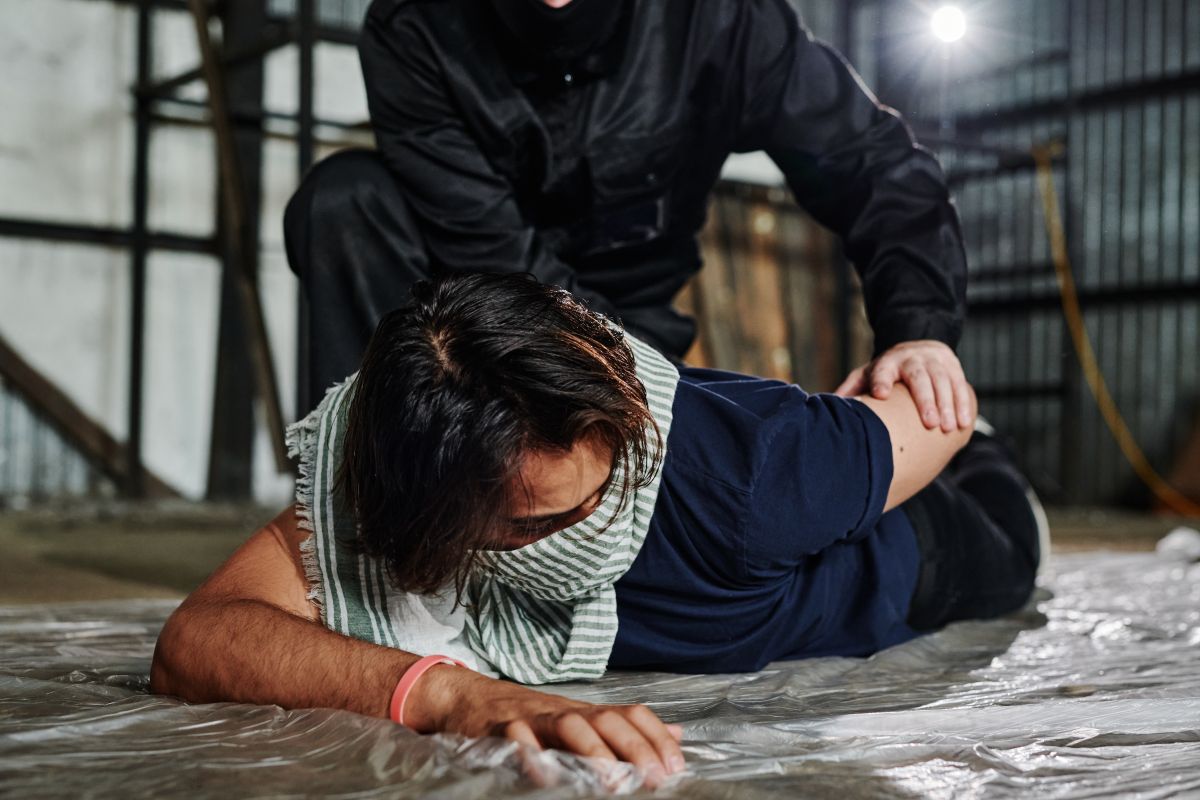
Immigration cases often move through civil courts rather than the criminal justice system. A person may be detained over legal status, visa problems or removal proceedings without being accused of robbery, assault or another violent offense. Still, once ICE collects that person’s DNA and sends the profile to CODIS, police agencies can compare it with evidence from unrelated crimes nationwide. The reason for detention and the future use of the genetic record can therefore be completely different.
That is the program’s most consequential feature. The swab is not used only to confirm a detainee’s identity during an arrest. It can become part of a searchable law enforcement system that may generate investigative leads years later, even after the person has been released, deported, or granted permission to remain in the United States. A temporary immigration encounter can thus leave a permanent criminal justice footprint without a judge finding that the person committed a crime.
The database is changing faster than the debate
The scale of the expansion is difficult to ignore. Georgetown researchers report that the federal detainee index inside CODIS held at least 3.3 million profiles by the end of 2025, after beginning near zero in 2020. Detainee profiles, which once represented about 0.2 percent of the broader “offender” index, had grown to more than 17 percent. The database changed dramatically while most Americans remained unaware that immigration agencies had become major suppliers of genetic information.
If current collection rates continue, Georgetown projects that the Department of Homeland Security could supply more than one third of that criminal DNA index by 2030. That would make immigration enforcement one of the main engines powering a database used by police departments nationwide. The border would no longer be merely a place where identities are checked. It would become one of the country’s largest genetic collection points.
Children expose the program’s deepest contradiction

The debate becomes harder to dismiss when children enter the picture. Records reviewed by Georgetown and WIRED identified 492 children younger than 14 whose DNA was submitted to the FBI between January 2025 and January 2026. The group included five, six and seven-year-olds, although DHS correspondence reportedly said ICE may generally collect DNA from children beginning at age 14. These children were not entering the system because investigators linked them to violent crimes.
Federal officials have pointed to a separate DNA program used to verify family relationships, but that does not resolve the concern. A temporary family verification test serves a specific purpose, while a CODIS profile enters a system designed to investigate crimes. Children detained with their families may therefore leave custody with a genetic record in a national police database despite never being accused of wrongdoing. They may not understand that a brief swab could follow them into adulthood.
Refusing the swab can create a new crime
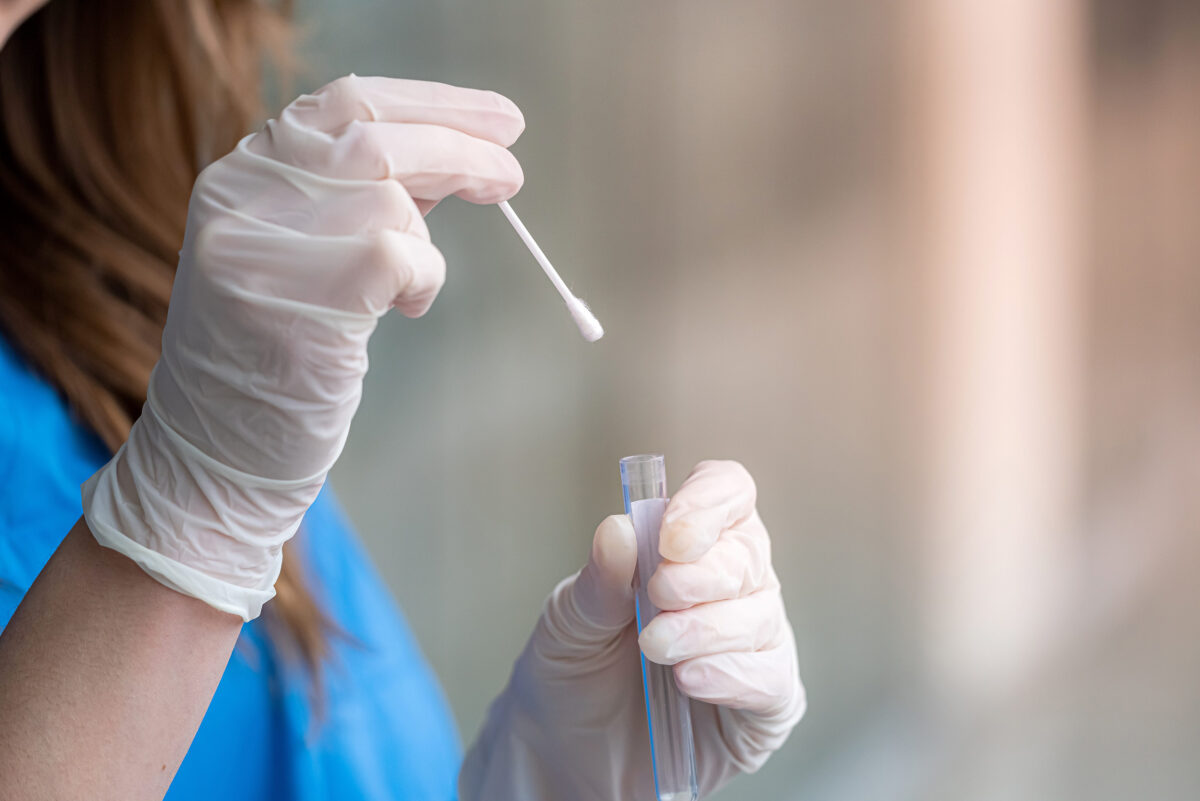
The collection process also raises a troubling question about consent. Federal law permits criminal charges against people who refuse to provide DNA when collection is authorized, while regulations allow officers to use reasonable physical restraint. In 2025, prosecutors brought at least two known cases against immigration detainees who resisted DNA collection. Compliance places the profile inside CODIS, while refusal can create a separate legal problem.
The Justice Department says expanded collection implements federal law and supports crime reduction, and DNA matches can help solve serious cases. Yet those benefits do not answer whether every immigration detainee should become searchable in a criminal system. We are watching mission creep happen through routine swabs, detention procedures, and limited public oversight. Once immigration custody becomes enough to preserve someone’s genetic identity for future policing, the line between a detainee and a suspect may become almost impossible to see. That is why this story reaches beyond immigration. It shows how quietly a surveillance system can redefine innocence before any accusation exists.