8 Hard Truths Americans Should Know Before New SNAP Restrictions Take Effect
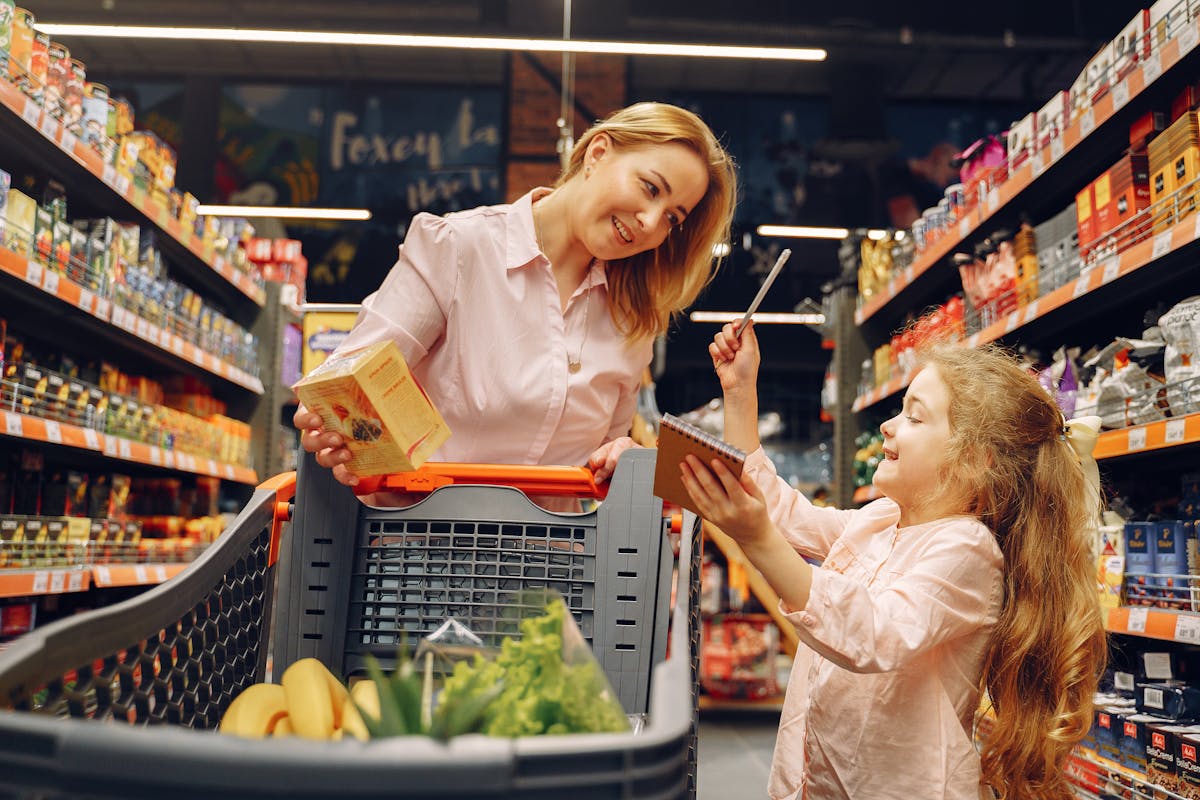
New SNAP restrictions are moving from government paperwork into grocery aisles, and that is where millions of Americans may feel the change first. SNAP, the U.S. food assistance program formerly known as food stamps, helps low-income families buy groceries through EBT cards. Now, some states are tightening what those benefits can cover.
The push is being framed around health, taxpayer money, and better food choices, but the real-life impact could be more complicated. Shoppers may face rejected items, stores may face tougher rules, and families may have to learn different food limits depending on where they live. Here are the hard truths Americans should know before new SNAP restrictions take effect.
Some familiar items may no longer qualify.
The biggest change is simple but stressful. In some states, SNAP shoppers may no longer be able to use EBT benefits for soda, candy, energy drinks, sweetened beverages, and certain processed foods. That means a product family bought before may suddenly be rejected at checkout. For people already counting every dollar, that can turn an ordinary grocery trip into a public and uncomfortable moment.
The rules will not be the same everywhere.
SNAP is a federal program, but these food restrictions are being shaped through state waivers. That means one state may restrict soda and candy, while another may target sweetened drinks, energy drinks, desserts, or processed foods. The result could be a confusing state-by-state system. A shopper’s EBT card may work one way in one state and differently somewhere else.
Health is the main public argument.
Supporters say the restrictions are meant to encourage healthier eating and reduce purchases of items they describe as less nutritious, including some sugary drinks and candy. Their argument is that food assistance should help families buy groceries that support better health. That idea may sound reasonable to many Americans, but health is also tied to price, access, time, transportation, and what stores actually sell nearby.
Taxpayer money is part of the fight.
The debate is not only about nutrition. Supporters also argue that SNAP is funded by taxpayers, so the money should be directed toward basic groceries and healthier foods rather than soda, candy, or sweetened drinks. That message gives the policy political force. Critics push back, arguing that low-income shoppers should not be judged more harshly than others, especially while grocery prices remain painfully high.
Checkout could become more confusing.

The hardest part may be figuring out what counts as restricted. Some products are obvious, but others are not. A snack bar, flavored drink, bakery item, or sweetened product may be treated differently depending on the state’s rule or product definition. Cashiers may have to explain why items were rejected, and shoppers may not know what went wrong until they are already standing at the register, with people waiting behind them.
Stores will face pressure too.
The changes do not stop with shoppers. SNAP-authorized retailers are also facing stricter expectations to carry a wider range of staple foods, including more varieties of protein, grains, dairy, fruits, and vegetables. Big supermarkets may adjust easily, but small stores may struggle with shelf space, refrigeration, supply costs, and food waste. If some stores cannot keep up, nearby SNAP access could shrink.
Food deserts could feel it first.
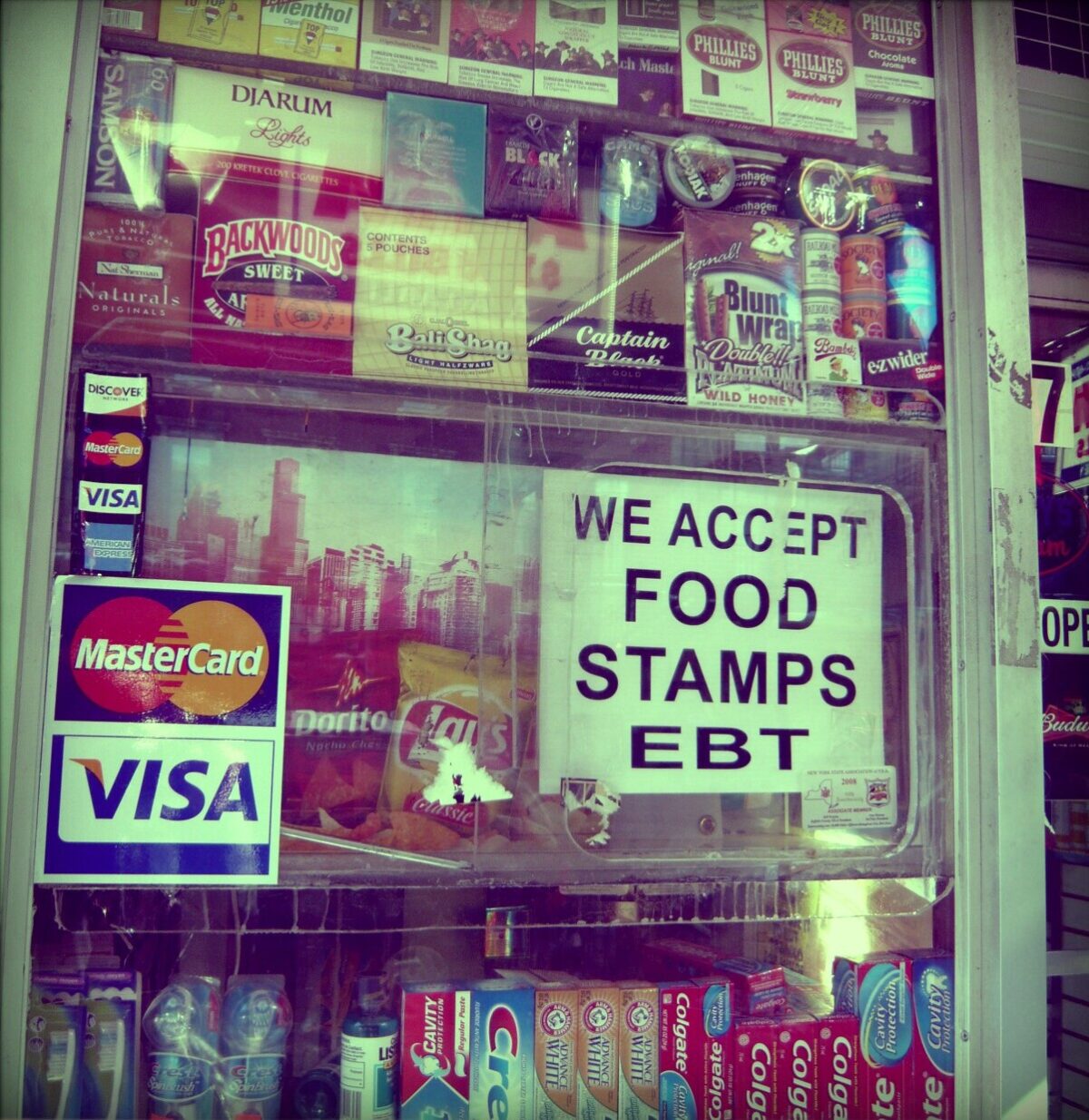
In many low-income or rural areas, the nearest SNAP-friendly store is not a large supermarket. It may be a corner shop, gas station, market, or small grocery store. If new stocking rules make it harder for those stores to stay in the program, some families may need to travel farther for food. That risk matters most for people without cars, older adults, disabled shoppers, and parents already stretched thin.
The debate is becoming political.
SNAP restrictions now sit inside a larger fight over poverty, public health, government spending, and personal choice. Supporters call the rules common sense. Opponents say they could stigmatize low-income families and create more confusion than progress. As more states move forward, the issue may grow into a national debate about what food assistance should do and who gets to decide.
The new SNAP restrictions may sound simple from a distance: fewer sugary items, healthier choices, better use of taxpayer money. But at the grocery store, the details may feel much messier. A rejected item can embarrass a parent. A confusing rule can slow down a cashier. A stricter store requirement can hurt neighborhoods with few grocery options. That is why Americans should pay attention now. SNAP is not just changing on paper. It is changing at checkout.