9 Terrifying Ways Online Outrage Is Dictating American Culture
America used to argue in loud places. At the Thanksgiving table. In the barbershop. At the diner counter. On talk radio. In the school pickup line. During football games, when somebody’s uncle decided the referee, the president, and the price of eggs were somehow part of the same conspiracy.
Now the argument lives in everyone’s pocket.
One clip drops. One celebrity says the wrong thing. One teacher, brand, athlete, pastor, comedian, influencer, or regular person posts something messy. Within hours, the internet becomes judge, jury, executioner, therapist, detective, and unpaid public relations department.
The outrage starts before breakfast, trends by lunch, gets stitched into videos by dinner, and by midnight, half the country is acting as if it has always cared deeply about a topic it learned about six hours ago.
It is not just about changing what people say online. It is changing what brands apologize for, what comedians avoid, what families fight about, what workers fear, what celebrities perform, what schools debate, and what ordinary Americans decide to keep to themselves.
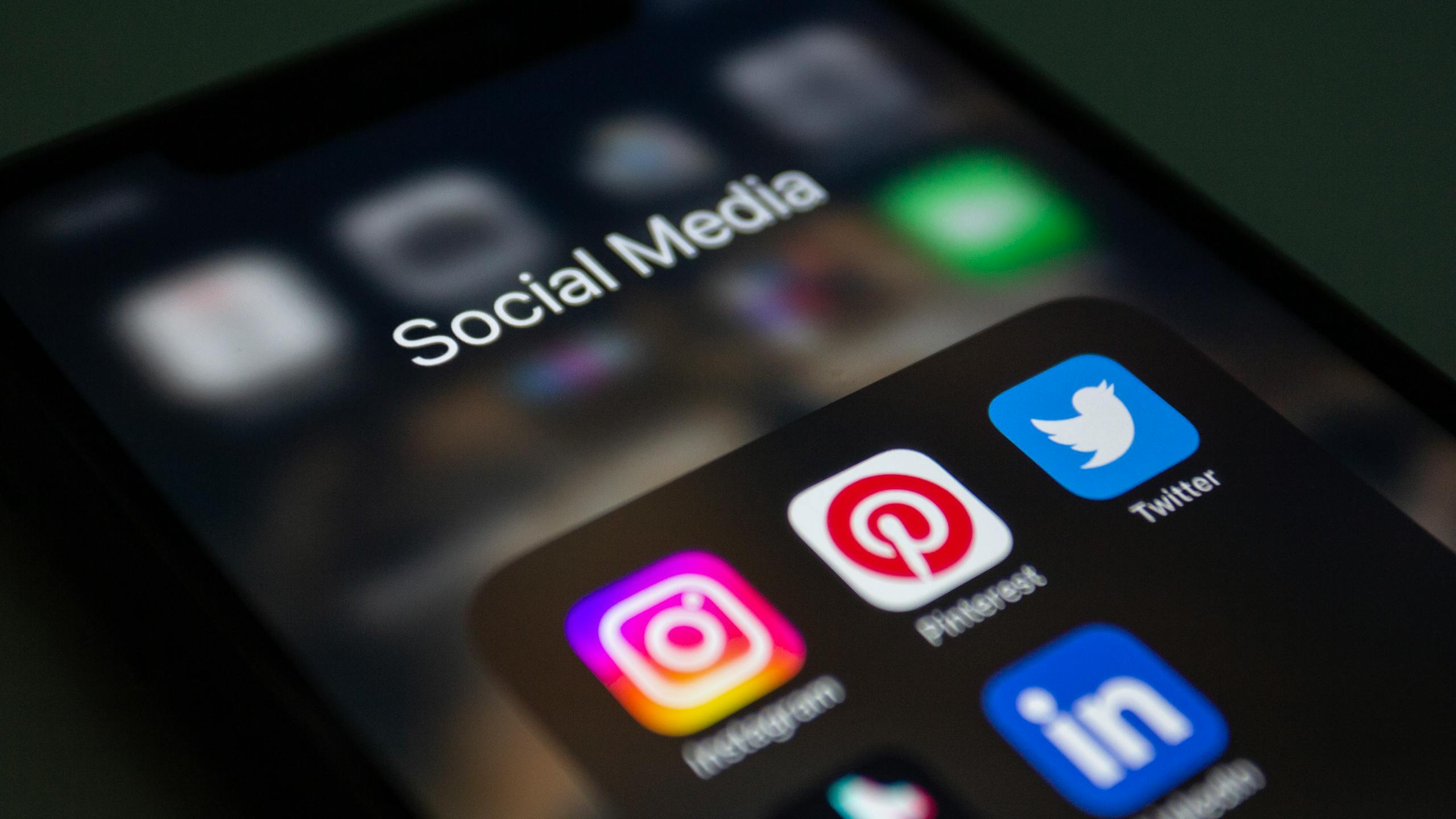
The audience is huge, and the reaction cycle never sleeps. Recent data shows that social media use remains widespread across the United States, meaning outrage no longer needs a newsroom, a studio, or a campaign office to shape culture. It only needs a phone, a caption, and enough angry people willing to hit share.
Every mistake can become a public trial.
A person can make a clumsy joke, post an old opinion, say something badly, or get caught in a ten-second clip without context, and suddenly the internet turns into a courtroom with no judge and no closing time.
That is one of the most terrifying parts of outrage culture. The reaction can become bigger than the original offense. People who did not watch the full video, read the full post, or understand the full situation still join the pile-on because outrage feels easy when the crowd has already chosen a villain.
Sometimes public backlash is deserved. Harmful behavior, abuse, racism, fraud, cruelty, exploitation, and hypocrisy should not hide behind “it was just a mistake.” Accountability matters.
The problem is that online outrage often has no patience for scale. It can treat an awkward sentence, a bad take, and a serious moral failure as they belong in the same punishment box.
That changes American culture because people stop asking, “What actually happened?” and start asking, “How angry is everyone supposed to be?” Once the crowd decides the sentence before the facts settle, public life becomes less about truth and more about performance.
The scariest part is that this does not always make people better. It often makes them defensive, fearful, fake, or more extreme. A culture built on pile-ons may lead to fewer honest apologies and more people who learn to hide.
Free speech feels legal but socially dangerous.
Americans love saying they believe in free speech. They get much quieter when speech is accompanied by screenshots, angry comments, employer emails, lost friends, and strangers trying to ruin someone’s life over one opinion.
The fear is no longer only about government censorship. It is social. It is professional. It is cultural. People worry about saying the wrong thing in a meeting, posting the wrong joke, liking the wrong comment, questioning the wrong trend, or being misunderstood by people who do not care about context.
That fear has become part of public life. Recent polling found that many Americans believe free speech is headed in the wrong direction, underscoring how deeply anxiety has entered the culture.
This fear does not affect everyone the same way. Some people build entire careers by saying outrageous things and daring the internet to react. Others feel they must weigh every sentence like a legal document because a single mistake could cost them their work, friendships, reputation, or peace of mind.
That is how online outrage changes behavior. It does not have to silence everyone. It only has to make enough people decide honesty is too expensive.
When a culture punishes awkwardness as harshly as malice, people stop speaking with courage and start speaking like press releases.
Anger now travels faster than context.
Nuance is slow. Outrage is fast. A thoughtful explanation takes time. A furious post takes seconds. A careful argument may get ignored. A savage clapback gets shared.
A complicated issue may need history, law, data, memory, and humility. The internet often prefers a villain, a slogan, and a comment section ready for war.
That is why outrage spreads so well. It gives people instant emotional clarity. You know who to hate, who to mock, who to defend, and what side you are supposed to join.
The problem is that culture cannot survive on speed alone. A country that reacts before it understands becomes easy to manipulate. Half-clips, misleading captions, rage-friendly headlines, recycled rumors, and stitched videos can push people into outrage before they know the facts.
The person who says, “Wait, we need more information,” often sounds boring beside the person who sounds certain first.
That matters even more now, because many Americans get news from the same places they get jokes, gossip, beauty tips, sports clips, political rants, and celebrity drama.
About half of U.S. adults say they get news from social media, which means the information pipeline is already built for speed and emotion.
When the feed becomes the newsroom, anger often gets the headline before context gets a chance.
News influencers are turning outrage into entertainment.

Americans are no longer getting news only from newspapers, TV networks, and local stations.
They are getting it from people with ring lights, microphones, reaction faces, dramatic thumbnails, and a gift for making every story sound like the end of the republic.
Some of those creators are thoughtful. Some explain complicated issues in plain English. Some reach people who gave up on traditional news years ago. But others understand the business model too well.
Anger keeps people watching. Fear keeps people sharing. Contempt keeps people coming back.
Recent data shows that about 1 in 5 U.S. adults regularly get news from influencers on social media. That matters because influencer-driven news often blends information with personality, entertainment, identity, and audience loyalty.
A journalist may report a story. An outrage influencer often gives the audience a role to play. You are the betrayed citizen. You are the moral hero. You are the person seeing what “they” do not want you to see.
That feeling is powerful. It is also dangerous when every story becomes another episode in a never-ending culture war. Americans do not just consume outrage anymore. Many are being trained to enjoy it.
Brands are terrified of the loudest crowd.
Corporate America now watches social media like a weather radar for anger. A brand posts an ad. Someone calls it offensive. Another group calls the apology weak. A third group says no apology was needed. A fourth group announces a boycott.
Then the company releases a statement so sterile it sounds like it was written by six lawyers trapped inside a printer. This is not because brands suddenly became deeply moral. It is because outrage can get expensive.
Companies now delete posts, pull campaigns, change packaging, revise messaging, and overcorrect because a loud online crowd can quickly damage a reputation.
The strange part is that nobody is ever fully satisfied. One side thinks brands are too political. Another thinks they are silent cowards. One group wants representation. Another calls it pandering. One group demands a statement. Another tells companies to stay out of everything.
The result is a culture where even commercials feel nervous. Beer cans, cereal boxes, movie trailers, restaurant ads, sports promotions, makeup campaigns, and holiday posts can all become political objects in the right outrage cycle. Ordinary products begin to carry a symbolic weight they were never built to bear.
Online outrage is dictating American culture, with brands unable to sell snacks without first calculating who might turn the wrapper into a national argument.
Celebrities are forced to perform morality.
Fame used to require talent, timing, beauty, money, scandal, luck, or a great publicist. Now it also requires constant moral positioning.
Celebrities are expected to react correctly to every war, election, court case, social issue, boycott, tragedy, viral injustice, and cultural argument. Silence becomes suspicious.
A statement gets dissected. A delayed statement becomes a scandal. A clumsy statement becomes another controversy. This has made celebrity culture feel less human and more theatrical.
Famous people now apologize in notes-app screenshots, delete old posts, hire crisis teams, post carefully worded statements, and speak in language designed not to offend the most searched anger of the day.
Sometimes they are addressing real harm. Other times, they are feeding a machine that demands emotional content from people who may understand the issue no better than the audience.
Online outrage also turns fans into investigators. They dig through old interviews, decade-old jokes, old likes, old costumes, old friendships, and old posts, looking for proof that someone should be punished now for something from another cultural moment.
The result is exhausting. Celebrities do not just entertain anymore. They constantly audition for permission to remain visible.
Families are turning into comment sections.
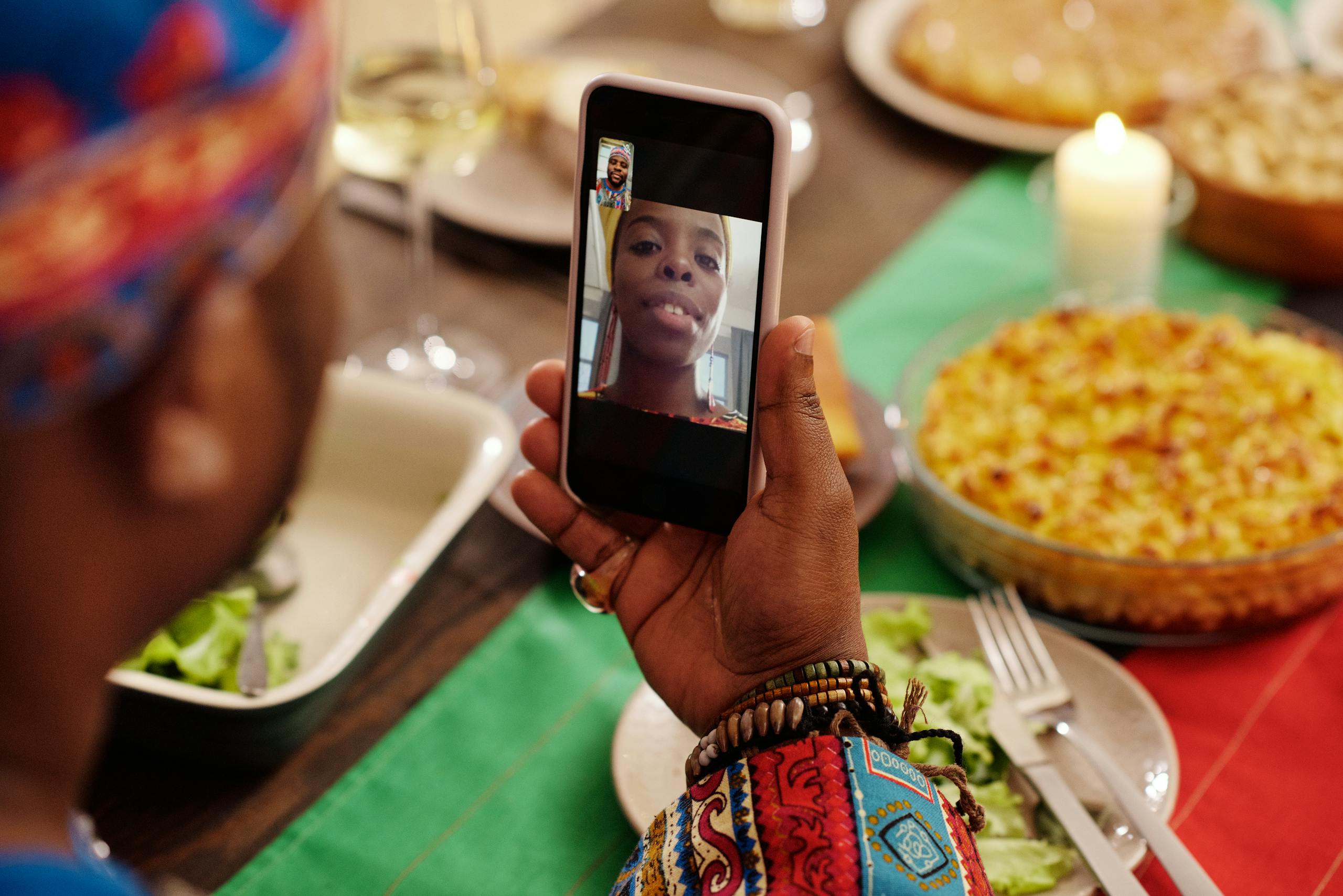
Online outrage does not stay online. It follows people into family group chats, marriages, churches, classrooms, workplaces, and Thanksgiving dinners where everyone swore they would “keep things light this year.”
A post gets shared. A relative responds. Someone says, “I cannot believe you think that.” Someone else says, “People like you are the problem.” Suddenly, the group chat is no longer about birthdays. It is a miniature cable-news panel with worse spelling and more personal history.
The political climate is already straining households, with many Americans reporting strained family relationships due to politics and national issues. Online outrage makes that worse because it keeps feeding families fresh reasons to distrust one another.
The internet trains people to sort others quickly. Good or bad. Smart or brainwashed. Patriot or traitor. Woke or bigot. Victim or villain. That kind of sorting may work for viral posts, but it is brutal inside relationships.
A family can survive disagreement. It struggles to survive contempt. Once the comment-section mindset enters the home, every conversation becomes a test of loyalty.
Media distrust makes every outrage easier to weaponize
Outrage grows faster when nobody agrees on who can be trusted. If Americans trusted the media, institutions, experts, and public leaders more, viral anger might cool down faster. People might wait for context.
They might believe the corrections. They might be less likely to treat every new claim as proof that the other side is evil. That is not the culture America has right now.
Trust in mass media has fallen to a new low, with fewer than 3 in 10 adults expressing confidence that it reports the news fully, accurately, and fairly. That distrust creates a vacuum, and outrage loves a vacuum.
Into that space come partisan pages, anonymous accounts, influencers, podcasts, rage merchants, edited clips, and people who make money by keeping audiences angry.
When people do not trust traditional sources, they often trust whoever sounds like their anger. That can feel empowering because it validates frustration. It can also trap people in outrage loops where every correction is dismissed, every opponent is corrupt, and every complicated story becomes a conspiracy.
A culture without shared trust becomes easy to inflame. Every event becomes suspicious. Every mistake becomes evidence. Every disagreement becomes a cover-up.
Harassment turns disagreement into punishment.
There is a difference between criticism and harassment. Online culture keeps blurring that line.
Someone posts an opinion, and strangers do not just disagree. They insult, threaten, dox, mock, spam, stalk, contact employers, flood inboxes, and try to make the person’s life smaller. A wrong take invites public punishment. That is not healthy accountability. It is digital mob behavior.
Online harassment is common enough to shape how people behave. Survey data has found that many Americans have experienced online harassment, which means fear of backlash is not imaginary.
This changes American culture because people begin avoiding risk. Writers avoid certain topics. Teachers avoid certain classroom discussions. Workers avoid honest opinions. Regular people avoid posting anything more controversial than vacation photos, food pictures, and dog videos.
The public square becomes louder and emptier at the same time. The most aggressive voices stay. The thoughtful voices leave. That is a terrible trade.
Entertainment is becoming another battlefield.
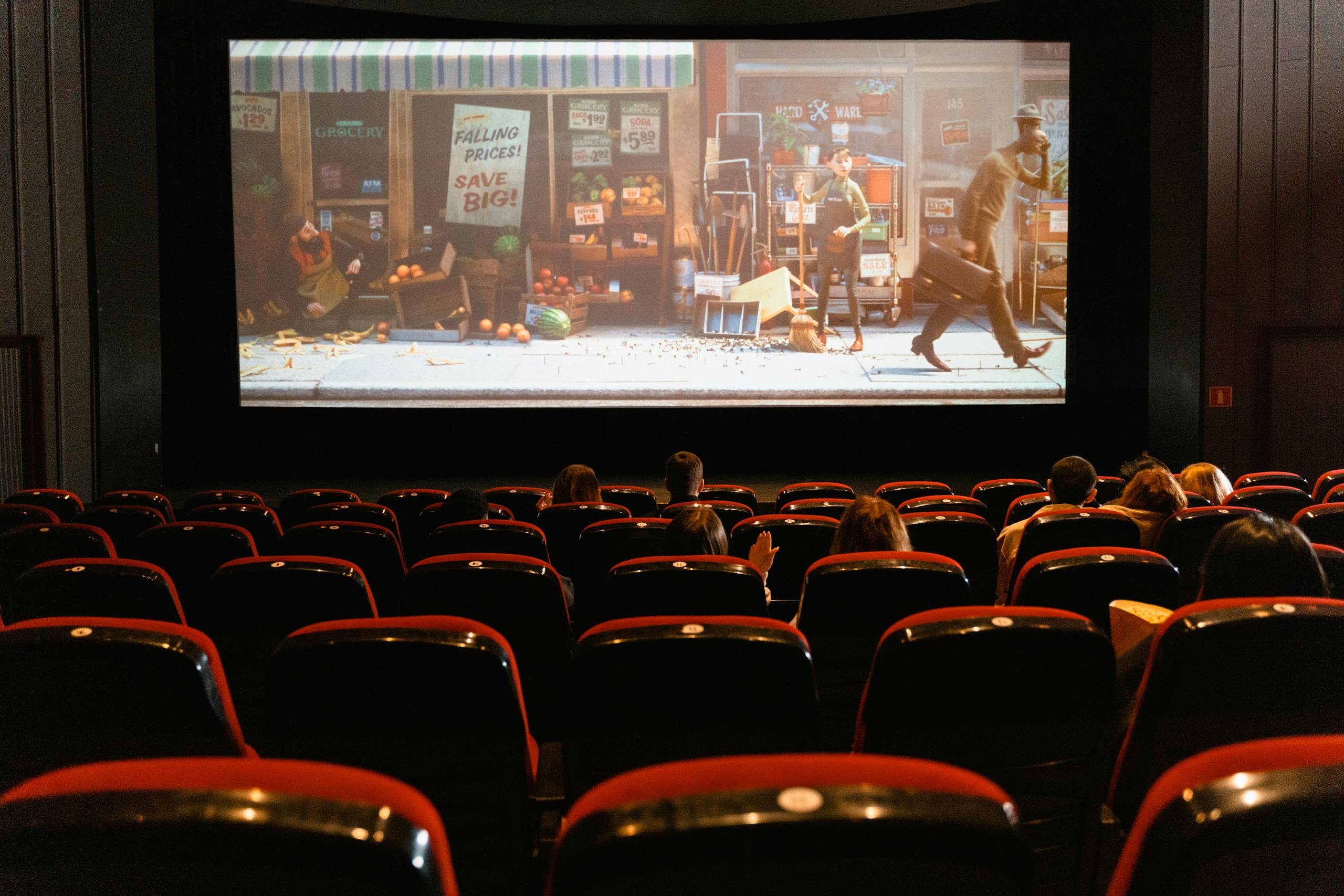
Movies, music, comedy, sports, books, award shows, video games, cartoons, and even fast-food ads now arrive with arguments already attached.
A trailer drops, and people fight about representation. A comedian tells a joke, and people debate whether it was brave or cruel. A singer changes style, and fans accuse them of betrayal. A movie casts an actor, and the internet turns it into a referendum on American values.
Entertainment has always sparked debate. That part is not new.
What feels different is the speed and seriousness of the outrage cycle. Enjoying something now often comes with homework. Who made it? What did they say years ago? Which group is angry? Which group is defending it? Is watching it a statement? Is not watching it a statement?
That exhaustion matters because culture needs shared joy.
Americans already live with political stress, economic pressure, loneliness, job worries, family tension, and information overload. If every song, joke, movie, show, and celebrity moment becomes another battlefield, people lose some of the common pleasures that once helped a divided country breathe.
Online outrage is dictating American culture, even when fun cannot last for ten minutes.
Outrage makes forgiveness look weak.
A healthy culture needs accountability. It also needs a path back. Online outrage is terrible at that second part.
Someone apologizes, and the apology is picked apart. If it is short, it is not enough. If it is long, it is manipulative. If it is emotional, it is fake. If it is calm, it is cold. If it comes quickly, it was scripted. If it comes late, it proves they did not care.
Sometimes that skepticism is fair. Public apologies can be dishonest. People do use the language of growth to escape consequences.
But a culture that rejects every apology creates a strange incentive. If forgiveness is impossible, why learn? Why apologize? Why change? Why admit anything? That is the danger.
Online outrage can become so committed to punishment that it forgets the difference between a person who made a mistake, a person who caused harm, and a person who refuses to change. Those categories matter. Without them, public life becomes crueler, not more just.
A culture that leaves no room for growth eventually traps everyone inside their worst screenshot.
How Americans can stop feeding the outrage machine
The answer is not to stop caring. Some outrage is justified. Public pressure can expose abuse, challenge hypocrisy, force accountability, defend vulnerable people, and make powerful institutions respond when they would rather ignore harm.
The problem is fake urgency, selective anger, lazy pile-ons, and treating every mistake like a national moral emergency.
Americans can start by slowing down. Watch the full clip. Read beyond the caption. Ask who benefits from making you angry. Avoid sharing accusations before facts settle. Leave room for proportion, context, apology, growth, and human error.
The internet will always reward the fastest reaction. A healthier culture rewards the better one.
Conclusion

Online outrage is dictating American culture because it has become one of the fastest ways to move attention, money, politics, reputation, and public behavior.
It shapes what people say, what brands post, what celebrities apologize for, what families fight about, what media people trust, what entertainment becomes controversial, and what ordinary Americans decide to keep private.
That does not mean all outrage is bad. Some anger is necessary. Some backlash is overdue. Some public pressure exposes real harm. But a culture that runs on outrage eventually forgets how to think without it.
America does not need to become numb, silent, or polite in the face of real problems. It does need to stop letting the loudest online crowd decide what every mistake means, who deserves mercy, what art is allowed to be, and how people are supposed to talk.
The internet can call everyone to account. It can also turn the whole country into a courtroom with no judge, no rules of evidence, and no closing time.