10 Facts About Africa’s “Never Colonized” Country That Most People Misunderstand
Most of Africa was torn apart by European colonization, yet one nation consistently defied conquest. Ethiopia stands out as the only African country never fully colonized, yet many misunderstand its story. From diplomatic mastery to historic battles, Ethiopia’s independence was fiercely protected. Its survival shaped African pride and global anti-colonial movements. Discover the untold truths behind Ethiopia’s reputation and why this history is far more complex than you’ve been told.
Ethiopia is not 100% untouched by foreign power

Though often labeled “never colonized,” Ethiopia did experience foreign invasion. Italy occupied the country from 1936 to 1941, but the occupation was short-lived and never established permanent colonial structures. The brief fascist rule could not erase centuries of Ethiopian governance, culture, or sovereignty. This distinction is why Ethiopia is still considered a rare example of African resistance, standing tall against European domination.
The Scramble for Africa missed one target
During the late 19th century, European powers divided most of Africa with ruthless precision. Ethiopia stood as an exception, resisting pressure to become a colony. Its rulers leveraged diplomacy and clever negotiations to fend off foreign claims. Strategic geographic positioning and a united leadership helped Ethiopia maintain control over its borders, making it a striking anomaly in a continent under siege.
Menelik II turned defense into victory
Ethiopia’s Emperor Menelik II is a key reason the country retained its independence. He unified regional forces and secured modern weaponry to counter European threats. His leadership transformed potential vulnerability into strength, demonstrating that organized resistance and strategic planning could overturn imperial ambitions. Ethiopia’s sovereignty was preserved through careful preparation and decisive action.
The Battle of Adwa shocked Europe
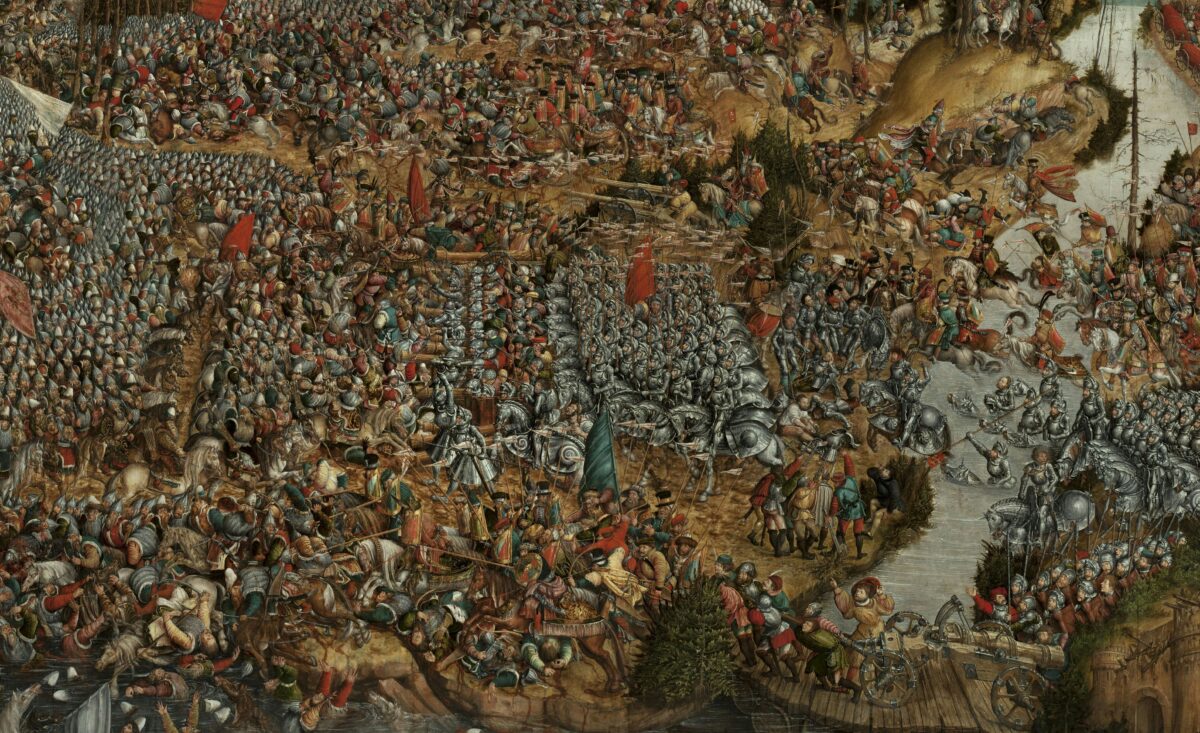
Europeana/ Unsplash
March 1, 1896, marked a historic victory at Adwa, where Ethiopian forces decisively defeated Italian troops. Italy expected a swift conquest but faced a well-prepared army defending its homeland. This unprecedented defeat became a symbol of African resistance and a warning to colonizers that conquest was not guaranteed, giving Ethiopia an enduring place in global history.
Ethiopia avoided long-term colonial systems
Unlike most African countries, Ethiopia did not endure decades of imposed administration, settlement, or cultural restructuring. The Italian occupation failed to establish lasting governance or economic control. This short-term rule distinguishes Ethiopia from nations that became deeply integrated into European colonial empires, further cementing its reputation as “never colonized.”
Italy returned under Mussolini’s regime

Decades after Adwa, Mussolini attempted to conquer Ethiopia in 1935, aiming to avenge Italy’s earlier humiliation. Italian forces briefly captured Addis Ababa, forcing Haile Selassie into exile. Despite this invasion, Ethiopian sovereignty was restored within five years, proving that even fascist ambition could not permanently erase the nation’s independence.
Ethiopia’s victory inspired Pan-African pride
The resistance and triumph at Adwa became a beacon for African and global anti-colonial movements. Leaders across Africa and the diaspora celebrated Ethiopia as proof that African nations could stand against European powers. The symbolic power of this victory elevated Ethiopia beyond its borders, inspiring hope and political confidence in oppressed nations.
Liberia is often compared, but it differs
Liberia also avoided European colonization, but under unique circumstances: it was founded and influenced by the American Colonization Society. While technically independent, Liberia’s early development was overseen by the United States. Ethiopia, by contrast, defended its ancient state institutions and culture through force and diplomacy, making its story more rooted in indigenous resilience.
Geography and unity aided survival

Ethiopia’s mountainous terrain and decentralized yet cooperative leadership hindered foreign invasion. Strategic positioning allowed defenders to anticipate enemy movements and control key passes. Menelik II’s rule, combined with local knowledge of the terrain, created defensive advantages that proved critical in repelling colonial attempts, demonstrating that geography and governance can safeguard sovereignty.
Independence is a lasting symbol
Ethiopia’s history remains a touchstone for resistance, pride, and African identity. It demonstrates that colonial ambitions were not inevitable, and careful preparation could preserve national autonomy. Its story reminds the world that independence is earned and defended, not given, and that Ethiopia’s survival continues to inspire those challenging oppression around the globe.
Conclusion
Ethiopia’s “never colonized” label is more nuanced than most realize. Brief foreign occupations occurred, but the country preserved its sovereignty, culture, and governance. From Adwa to the present day, Ethiopia symbolizes resilience, strategy, and unity in the face of overwhelming odds. Its story is a vivid reminder that independence can survive invasion and that African nations were never powerless in the face of colonial ambition.