10 Sneaky Money Habits That Are Quietly Bleeding Your Wallet Dry
Money does not always vanish because of one huge mistake. Sometimes, it slips away through tiny daily habits that feel harmless until your account balance starts looking wounded. A little convenience here, a forgotten subscription there, a few emotional purchases after a rough day, and suddenly your wallet is gasping for air. These silent spending traps are dangerous because they do not appear to be financial sabotage at first. They look normal, easy, and even deserved. This listicle breaks down the everyday money habits that quietly drain your wallet and shows how to stop the leak before it becomes a flood.
Paying for subscriptions you forgot existed
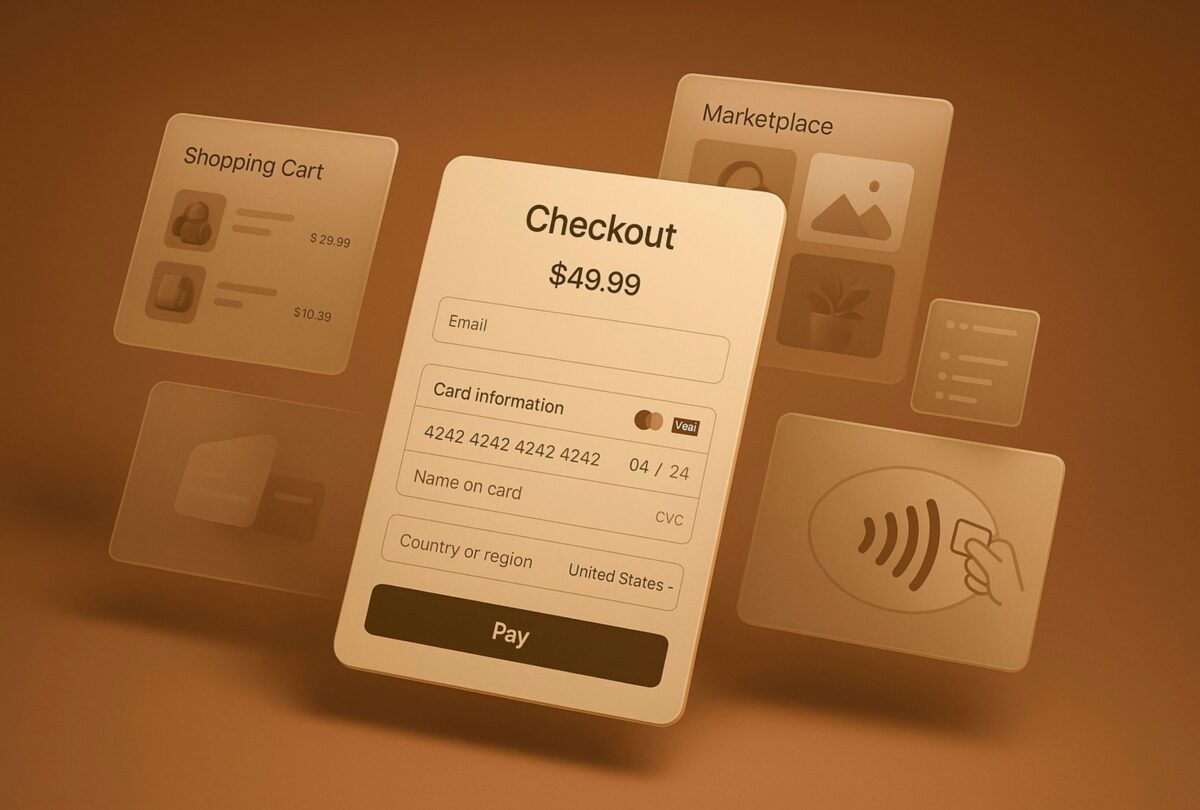
Subscription services are quite budget thieves because they rarely feel expensive on their own. A streaming app, cloud storage plan, music service, fitness membership, or a forgotten free trial may cost only a small amount per month, but the total can add up quickly when several charges pile up. The worst part is that many people keep paying for services they barely use. A smarter move is to review bank statements every month and cancel anything that no longer earns its place. Your money should support your life, not sit idle in unused apps.
Buying things just because they are on sale
A discount can make bad spending feel smart. That is why sales are so powerful. They dress up impulse buying as financial wisdom and make you believe you saved money, even when you bought something you never planned to own. The truth is simple. A half-price item still costs money if you did not need it. Flash sales, countdown timers, and limited-stock warnings all push you to act before thinking. Pause before every tempting deal and ask yourself whether you would still want it at full price. If the answer is no, walk away.
Ordering food every time you feel tired

Food delivery feels like a reward after a long day, but it can become a serious wallet wound when it turns into a weekly habit. The meal itself may look affordable, but service fees, delivery charges, tips, and inflated menu prices sneak in. Before long, one lazy dinner costs more than groceries for several homemade meals. The problem is not enjoying takeout once in a while. The problem is using it as the default answer to the point of exhaustion. Keep simple backup meals at home so tired nights do not keep bullying your budget.
Treating small purchases like harmless pocket change
Small purchases are dangerous because they do not trigger panic. A coffee, snack, app upgrade, bottled drink, parking fee, or quick convenience-store stop may look too tiny to matter. The trap occurs when those little bills repeat daily and quietly accumulate into a second bill. Many people know their rent, loan payment, and utility costs, but they have no idea how much they lose to tiny spending leaks. Track every small purchase for one week. The numbers may sting, but that sting can wake up your budget fast.
Ignoring your bank account until payday
Avoiding your bank balance may feel peaceful for a moment, but it creates a dangerous blind spot. When you stop checking your account, small problems grow quietly. You miss extra charges, rising bills, careless spending patterns, and automatic payments that no longer make sense. A quick weekly money check can save you from nasty surprises. Think of it like checking your car’s fuel gauge before a long trip. It may not be exciting, but it keeps you from being financially stranded before the month ends.
Using credit cards as an extra income
Credit cards can be useful tools, but they become dangerous when they start to feel like extra money. Swiping now and worrying later creates a false sense of comfort until the bill arrives with interest attached. Minimum payments may look manageable, but they can stretch debt for months or even years. The habit worsens when people use credit cards for everyday purchases rather than planned ones. The fix starts with honesty. If you cannot pay it off soon, it is not a harmless swipe. It is tomorrow’s paycheck under attack.
Paying extra for convenience all the time
Convenience is one of the most expensive modern habits because it feels so reasonable. Faster shipping, ride-hailing, pre-cut groceries, delivery apps, and service add-ons all promise to save time, but they quietly charge your wallet for every shortcut. Sometimes convenience is worth it, especially during a hectic week. The danger begins when it becomes automatic. Before paying extra, ask whether the shortcut truly saves you stress or simply covers poor planning. Small preparation can protect your money without making life miserable.
Letting lifestyle creep eat every raise
A raise should give your budget more breathing room, but lifestyle creep often steals it before you notice. You earn more, then upgrade your phone, order better meals, move into a pricier apartment, buy nicer clothes, and add new monthly bills. Soon, your higher income feels just as tight as the old one. This habit is sneaky because it appears to be progress. Real progress means keeping some of that extra money. When income rises, send part of it straight to savings, debt repayment, or investment before your lifestyle grabs it.
Shopping to escape stress or boredom
Emotional spending feels good because it gives a quick hit of control. After a bad day, a new outfit, gadget, beauty product, or home item can feel like a tiny rescue mission. The problem is that the mood boost fades faster than the payment. Shopping cannot fix loneliness, burnout, anger, or boredom for long, but it can leave behind regret and clutter. Create a cooling-off rule before buying anything driven by emotion. Leave the item in your cart for twenty-four hours. If peace returns and you still need it, decide then.
Living without an emergency fund
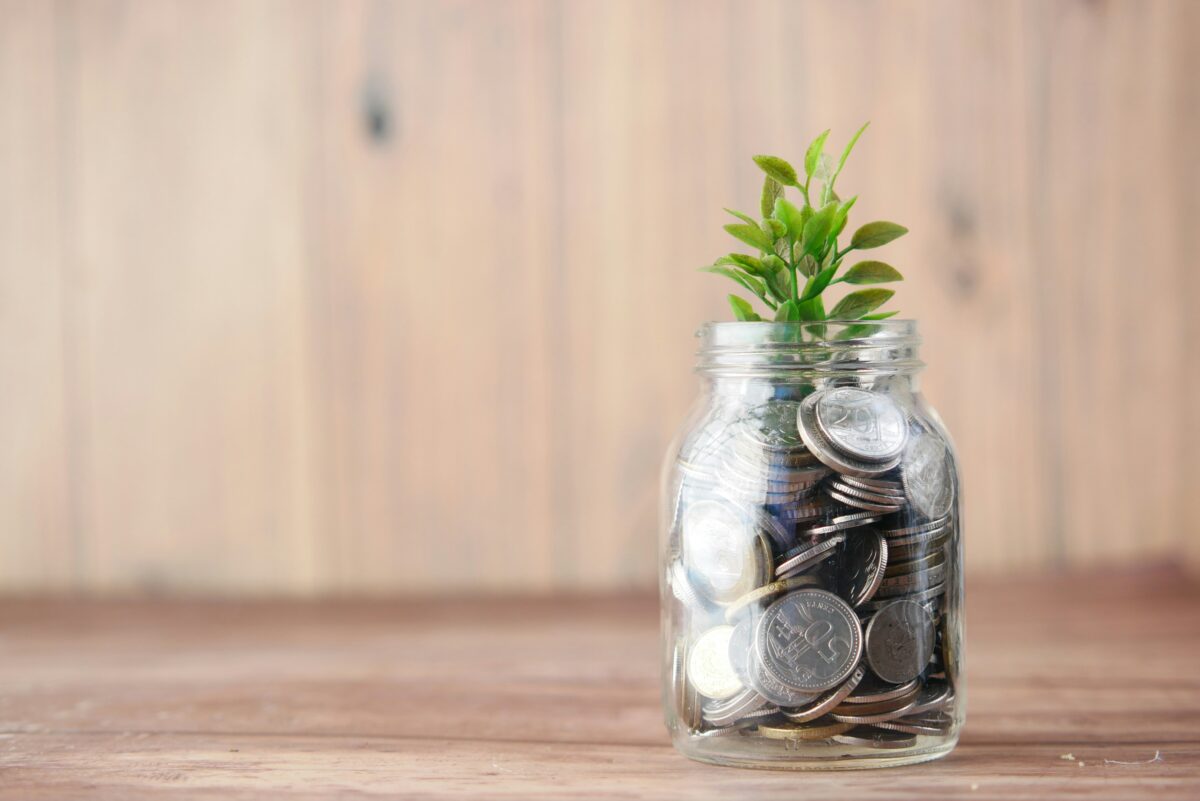
An emergency fund may not sound exciting, but it is one of the strongest protections your wallet can have. Without savings, every surprise becomes a crisis. A car repair, medical bill, job delay, broken appliance, or urgent family need can push you straight into debt. Many people delay saving because they think they need a large amount to start, but small deposits still matter. Even a little money saved weekly builds financial armor over time. The goal is not perfection. The goal is to have something between you and panic.
Conclusion
The money habits that hurt most are often the ones that feel normal. They hide behind comfort, stress, convenience, discounts, and daily routine until your wallet starts shrinking without a clear explanation. The good news is that you do not need to go to extremes to take control. You only need to notice the leaks, cut what no longer serves you, and give every dollar a better job. A stronger financial life starts with small decisions repeated often. Once you stop feeding these silent wallet drains, your money finally gets room to breathe.