Minnesota’s Tater Tot Hotdish Has Serious Potluck Staying Power and It’s Not Just the Crispy Top
Some potluck dishes arrive dressed to impress. Minnesota’s tater tot hotdish comes with ground beef, vegetables, a creamy sauce, and a golden potato topping, and makes a strong case for keeping it simple. Its appeal goes beyond the convenience of frozen tots and canned soup. This oven-baked staple combines a substantial one-pan meal with a long history of feeding families and bringing people together.
That combination helps explain why it has lasted across generations. Hotdish grew out of practical cooking, with inexpensive ingredients stretched into something filling, and became closely associated with Minnesota gatherings. The tater tot version adds an especially appealing contrast: crisp potatoes above a soft, savory filling. It is comfort food with a useful party trick, delivering different textures without requiring a complicated menu or elaborate presentation.
Still, an important distinction stands behind those familiar rows of potatoes: Minnesota hotdish existed before tater tots did. Early printed recipes used other starches, and the precise origin of the tot-topped version is harder to pin down. Understanding that evolution makes the dish more interesting, not less. This is not one frozen-in-time recipe; it is a practical cooking tradition that found a particularly memorable topping.
The Original Hotdish Didn’t Have a Single Tater Tot
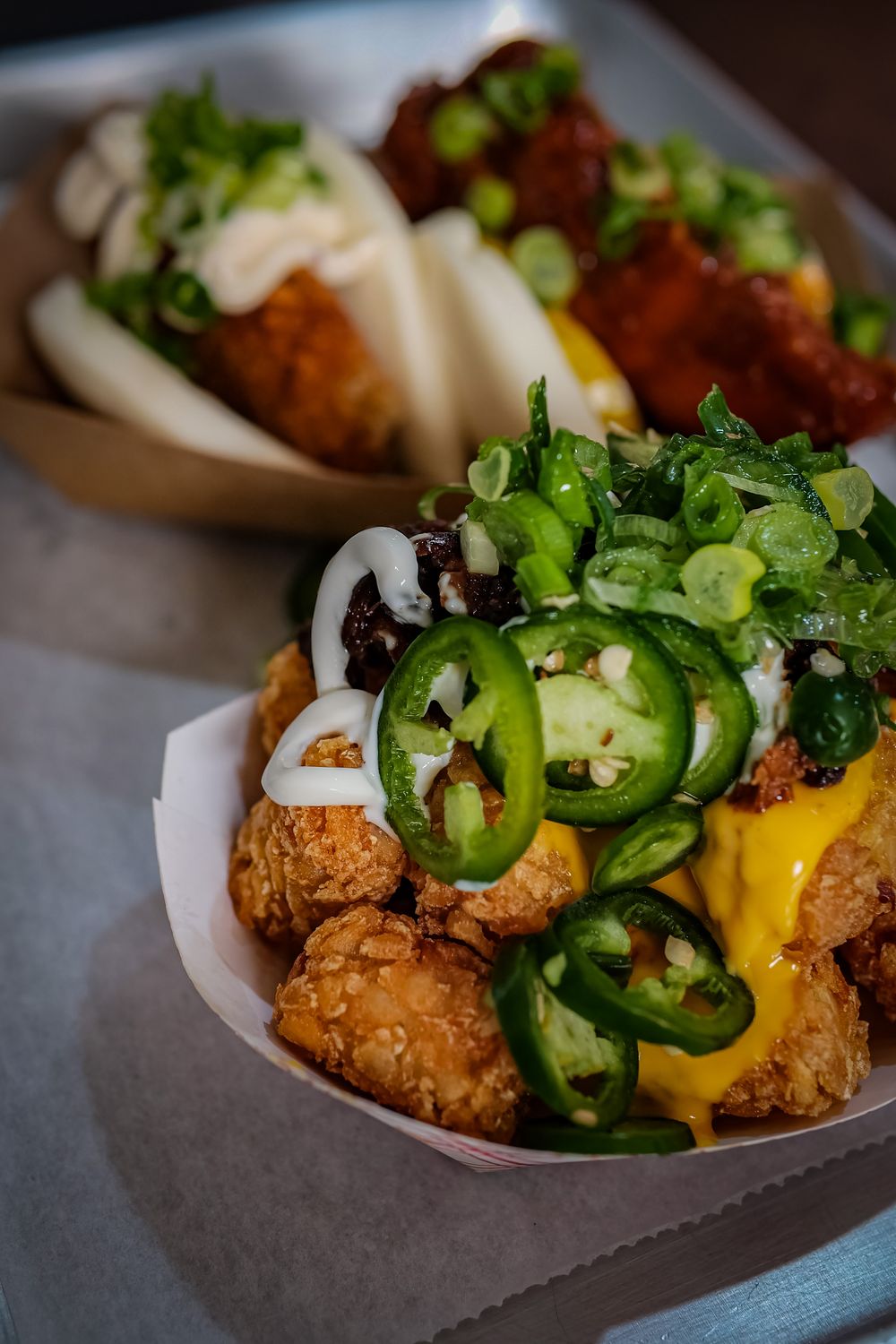
A 1930 cookbook published by the Grace Lutheran Ladies Aid in Mankato, Minnesota, contains what is widely credited as the first published hotdish recipe. According to America’s Test Kitchen, Mrs. C.W. Anderson’s recipe combined hamburger, canned tomato soup, peas, Creamette elbow macaroni, and celery. That ingredient list captures the basic idea: meat, vegetables, starch, and something to hold it all together, baked into a substantial meal.
The church connection is more than a charming detail. Community cookbooks recorded the everyday dishes people prepared and shared, helping preserve recipes beyond individual kitchens. In a 2023 interview with CBS Minnesota,Grace Lutheran pastor John Odegard described the congregation’s place in that history with understandable enthusiasm: “I tell people and they don’t believe it that this is the epicenter of hotdish.” The printed record gives that pride a concrete foundation.
The familiar convenience-food ingredients arrived later.Campbell’s introduced condensed cream soups in 1934, while tater tots were developed in the 1950s. Before those products became available, hotdish cooks relied on starches such as macaroni, noodles, and rice. The history therefore supports a clear timeline, but not a neat claim that one identifiable cook invented today’s tater tot hotdish at a particular church supper. Its exact origin remains less certain.
What did remain consistent was the dish’s practical purpose. America’s Test Kitchen describes hotdish as a Depression-era way to stretch food into a more filling meal. Later convenience ingredients fit comfortably into that approach, making it possible to assemble a substantial baked dinner from familiar products. The potato topping changed the look and texture, but it didn’t replace the underlying mission: feeding people without turning dinner into a major production.
A Crispy Top and Creamy Middle Do a Lot of Heavy Lifting
The standard tater tot version has an easily recognizable structure: ground meat, vegetables, and a creamy binder beneath a potato topping. The Minnesota Historical Society’s MNopedia identifies ground meat, creamed soup, vegetables, and tots as typical ingredients. That is a useful description rather than a rulebook. Different recipes vary, but the combination explains why the dish feels like a complete dinner rather than a side dish waiting for something else.
Texture gives that straightforward formula extra appeal. America’s Test Kitchen describes its version as a beef filling bound with a homemade mushroom cream sauce, topped with golden tater tots. The soft filling and crisp topping serve different roles, so the potatoes aren’t merely decoration. They provide the contrast that keeps each serving from becoming one uninterrupted spoonful of creamy ingredients. That is a lot of responsibility for a freezer-aisle staple.
The dish also leaves room for cooks to use different approaches without abandoning its identity. A condensed-soup version emphasizes convenience, while the America’s Test Kitchen recipe builds its sauce from mushrooms, milk, and broth. University of Minnesota Duluth material documents another version using beef, onion, mixed vegetables, mushroom soup, milk, and tots. These variations show that homemade sauce and pantry shortcuts can both belong to the broader tradition.
The oven, however, matters. Ann Burkhardt, a former Star Tribune food writer and Betty Crocker cookbook editor, told CBS Minnesota that stovetop mixtures do not meet her definition of hotdish.Her cookbook, “Hot Dish Heaven,” contains 70 versions shared by Midwestern families. That range shows how flexible the category is, while the baked format gives those recipes a recognizable point of connection.
Related: 7 Everyday Foods Quietly Changing How Americans Shop, Cook, and Eat at Home
The Real Secret Is That Hotdish Was Made for Sharing
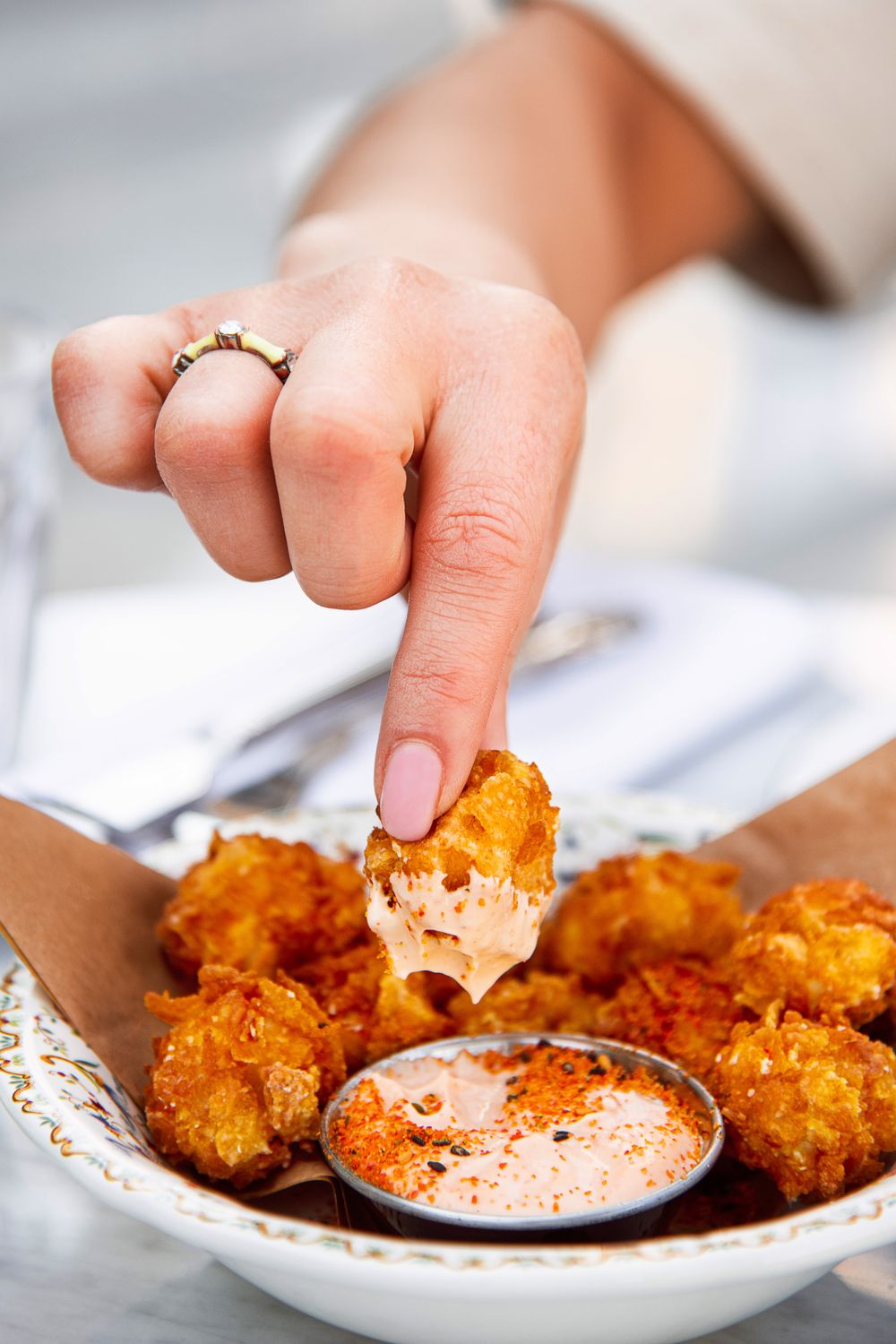
A potluck favorite needs more than a good topping; it needs to fit the occasion. Hotdish’s one-pan combination of protein, starch, vegetables, and sauce makes it a substantial contribution to a shared table. Its history also connects it to community life, not just weeknight convenience. MNopedia describes hotdish as a cultural touchstone in the Upper Midwest and an important part of how Minnesotans gather.
Odegard put that social role plainly in his CBS Minnesota interview: “It wasn’t just something to serve at home by yourself. It was made to be with other people.” That observation gets closer to the dish’s staying power than any argument about the correct vegetable. A familiar recipe becomes meaningful when it appears repeatedly at shared meals, and hotdish’s documented place in church cookbooks and family collections reflects that larger role.
Burkhardt offered an equally concise explanation of what the dish represents: “I think it recognizes Minnesota practicality and serviceability.” That may not sound like glamorous food marketing, but it captures the appeal. Tater tot hotdish doesn’t need novelty to justify another appearance. Its lasting strength is usefulness: a filling baked meal, an adaptable formula, and a familiar contribution to occasions where feeding people matters more than showing off.
Other Posts You May Like
8 Habits Grandkids Picked Up From Their Grandparents and Still Keep as Adults
7 Signs a Woman Over 50 Is Genuinely Interested in You
8 Things Happily Married Couples Do the Morning After an Argument