10 Lies You’ve Been Told That Shaped History…Stop Believing Them
History is full of moments that have shaped nations, but some of those defining moments were based on grand, dangerous lies. These fabrications altered the course of politics, science, and even society. While some were meant to deceive for power or profit, others were carefully orchestrated to manipulate entire populations. It’s time to confront these lies and understand their long-lasting impact on our world.
The Trojan Horse
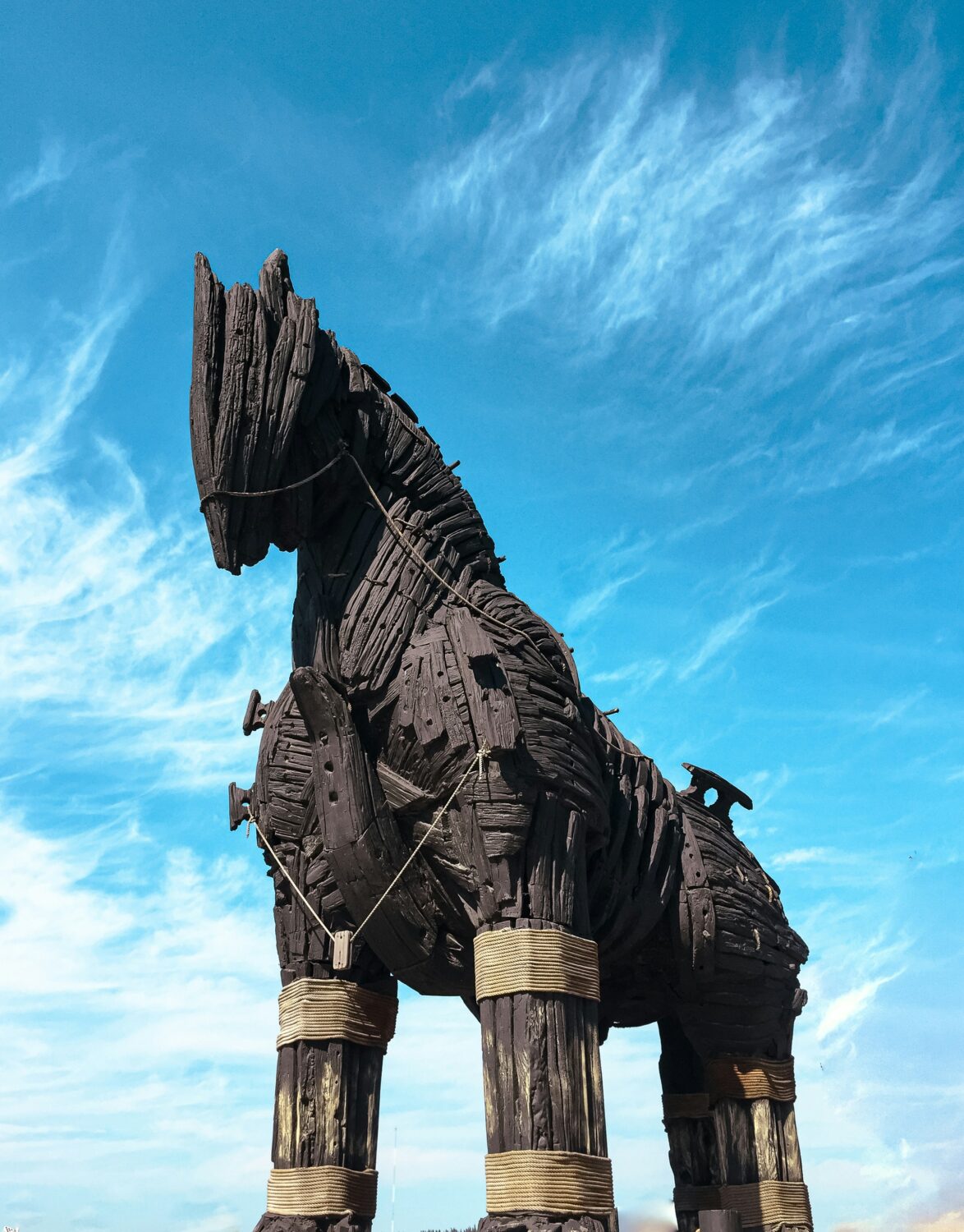
The Trojan Horse, a massive wooden horse left as a supposed peace offering by the Greeks, concealed soldiers inside. Once inside the city walls of Troy, the soldiers emerged under the cover of night to open the gates for their army, leading to Troy’s downfall. This legendary trick, though part of myth, remains an iconic example of how a simple lie can bring a whole civilization to its knees.
The Piltdown Man
For decades, the Piltdown Man was hailed as one of the most significant discoveries in anthropology. Found in 1912, the fossil was believed to be the missing link between apes and humans. But in the 1950s, scientists uncovered that the bones were a hoax, a combination of human and animal parts. This lie delayed the scientific community’s progress in understanding human evolution and tarnished the field’s credibility.
Weapons of Mass Destruction

Barrett Ward/ Unsplash
The Iraq War of 2003 hinged on the false claim that Saddam Hussein had weapons of mass destruction. Political leaders used this “evidence” to justify an invasion, resulting in chaos that still reverberates today. The war caused untold suffering and loss, and years later, no such weapons were ever found. This lie not only costs lives but also sowed distrust in governments worldwide.
Watergate
The Watergate scandal was a political disaster that rocked the United States. Initially, a break-in at the Democratic National Committee headquarters seemed like a petty crime, but it soon uncovered a web of deceit within the Nixon administration. The lie grew into a national cover-up, resulting in President Richard Nixon’s resignation. Watergate became a stark reminder of how lies, no matter how big, can ruin careers and institutions.
The Dreyfus Affair
In the 1890s, in France, Alfred Dreyfus, a Jewish military officer, was falsely accused of treason. The fabricated evidence that led to his conviction caused a national scandal, revealing deep antisemitism within the French military. Dreyfus’ case divided the country, leading to calls for justice and influencing reforms in French law. This lie exposed the dangers of prejudice and the power of fabricated narratives.
The Iran-Contra Affair

In the 1980s, U.S. officials secretly sold arms to Iran and funneled the proceeds to Contra rebels in Nicaragua. The operation was kept hidden from the public and Congress, despite being illegal. When exposed, it sparked a massive scandal that led to the conviction of several high-ranking officials. This lie about national security was a stark example of government deception, revealing the dangerous lengths to which some will go to protect power.
The “Great Emu War”
In 1932, the Australian government declared war on emus to stop them from destroying crops. Despite the use of military force, the emus eluded capture, and the government failed miserably. This bizarre “war” is often cited as a failure of both strategy and execution, yet the lie propagated by the government downplayed the farcical nature of the operation. It remains a humorous, if embarrassing, chapter in history.
Holocaust Denial

Holocaust denial is one of the most harmful lies of modern times. Holocaust deniers spread falsehoods, claiming that the genocide of six million Jews during World War II never happened or has been exaggerated. This lie distorts history, fuels hatred, and disrespects the memory of millions of victims. Combatting Holocaust denial remains critical in preserving the truth and preventing future atrocities.
The Tobacco Industry’s Lie About Smoking
For years, tobacco companies lied about the dangers of smoking. They spent enormous amounts of money to convince the public that smoking was safe, even as evidence mounted about its harmful effects. The lie not only prolonged the suffering of millions of smokers but also led to widespread addiction and preventable deaths. The public revelation of these lies led to huge legal settlements and restrictions on tobacco advertising.
The “Big Lie” of Nazi Propaganda

Adolf Hitler and his regime perfected the use of the “Big Lie”, the idea that if a lie is big enough and repeated often enough, people will believe it. This propaganda tactic helped fuel the rise of Nazism and the atrocities that followed, including the Holocaust. The “Big Lie” taught the world that the most dangerous lies are often the most audacious ones, spreading fear and hatred on a global scale.
Key Takeaway
The lies we encounter, whether in government, science, or society, don’t just distort the truth; they shape our history in ways that can take generations to undo. While some lies may seem trivial, others have had far-reaching consequences, from political instability to loss of life. Recognizing these lies and understanding their impacts is crucial for avoiding similar deceptions in the future.