10 Genius Inventions Born From Desperation That Changed Everyday Life
Some inventions begin with polished laboratories, generous funding, and years of calm research. Others begin with panic, empty shelves, blocked trade routes, hungry soldiers, broken supply chains, and ordinary people trying to survive through yet another difficult season. When pressure becomes severe enough, society often stops asking for perfection and starts demanding a workable substitute.
That is where some of history’s most surprising breakthroughs were born. We can trace many familiar products back to moments when butter disappeared, cocoa became too costly, rubber supplies collapsed, coffee ships stopped arriving, or armies could no longer feed themselves. These inventions were not created because life was comfortable. They were created because life became impossible without a new answer.
Margarine Was Created Because Butter Became Too Expensive
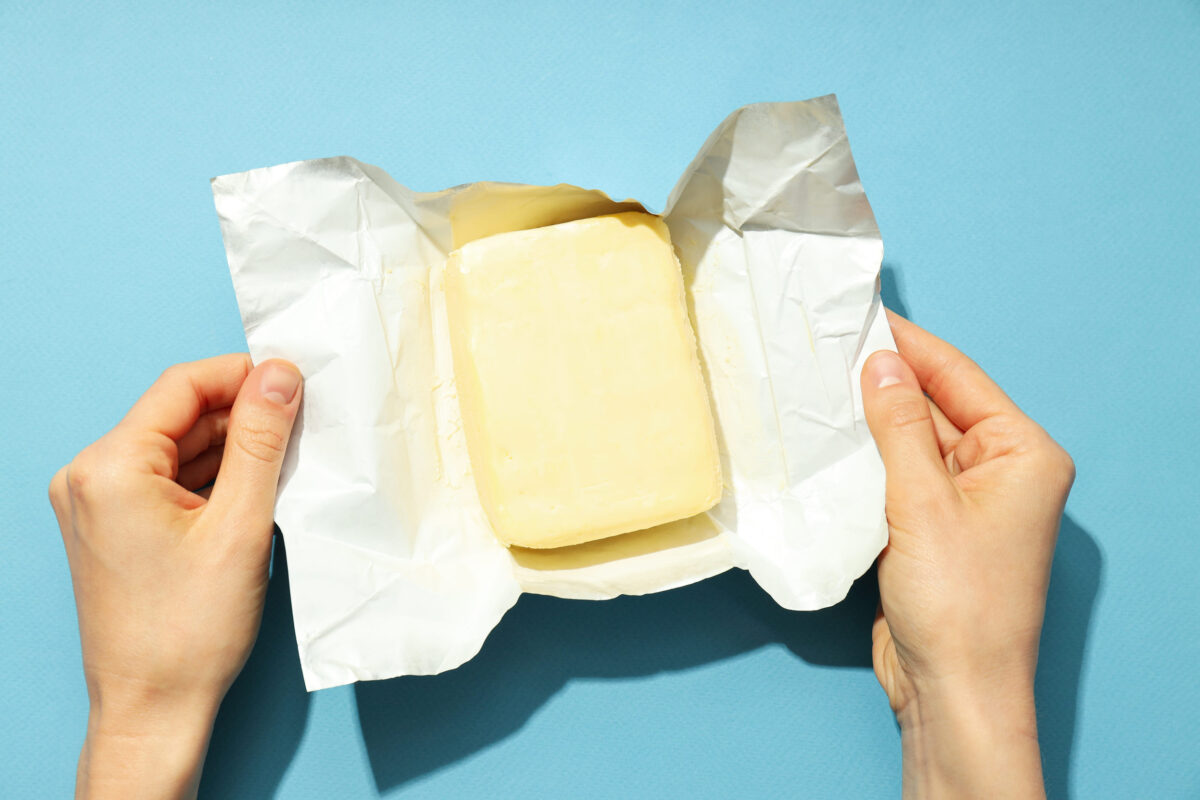
Margarine was not originally born from diet culture or modern food marketing. It was born from a national need for cheaper fat. In 19th-century France, butter was expensive, urban populations were growing, and the military needed a stable source of calories for soldiers. Napoleon III wanted a practical alternative that working families and troops could afford.
The challenge led French chemist Hippolyte Mège Mouriès to develop oleomargarine in 1869. His early formula used animal fat, milk, and water to create a spread that closely resembled butter for everyday use. By modern standards, the recipe may sound rough, but at the time, it solved a major problem. It was cheaper than butter, lasted longer, and could be produced at scale.
Margarine later underwent significant changes as food science advanced. Vegetable oils replaced much of the animal fat, manufacturing improved, and the product became common in homes across Europe and America. During periods of war and rationing, margarine became especially important because dairy products were often in short supply.
The history of margarine reminds us that food inventions often follow money as much as taste. When a staple becomes too expensive, the demand for an affordable alternative grows quickly. Margarine survived because it answered a basic question that millions of households were asking: how can we still put something rich on bread when butter costs too much?
Synthetic Rubber Became a Wartime Lifeline
Rubber was one of the most critical materials of the 20th century. It was needed for tires, hoses, seals, boots, medical supplies, electrical insulation, and military equipment. During World War II, natural rubber supplies became a major strategic problem after Japan gained control of key rubber-producing regions in Southeast Asia.
The United States suddenly faced a frightening reality. Without rubber, the military could not move efficiently, factories could not operate smoothly, and the war effort could stall. This shortage pushed government, universities, and private companies into urgent cooperation. Competitors who normally guarded their research had to work together because the problem was too large for isolated efforts.
The result was rapid progress in synthetic rubber, especially styrene butadiene rubber, often associated with the wartime GR S program. Scientists and engineers developed processes to produce rubber-like materials without relying on natural latex from tropical trees. Production expanded quickly, and synthetic rubber became one of the great industrial success stories of the war period.
After the war, synthetic rubber did not disappear. It became essential for cars, aircraft, machinery, shoes, construction, and countless consumer products. The desperation caused by wartime supply shortages helped create an industry that reshaped modern manufacturing.
Nutella Turned a Cocoa Shortage Into a Sweet Global Obsession
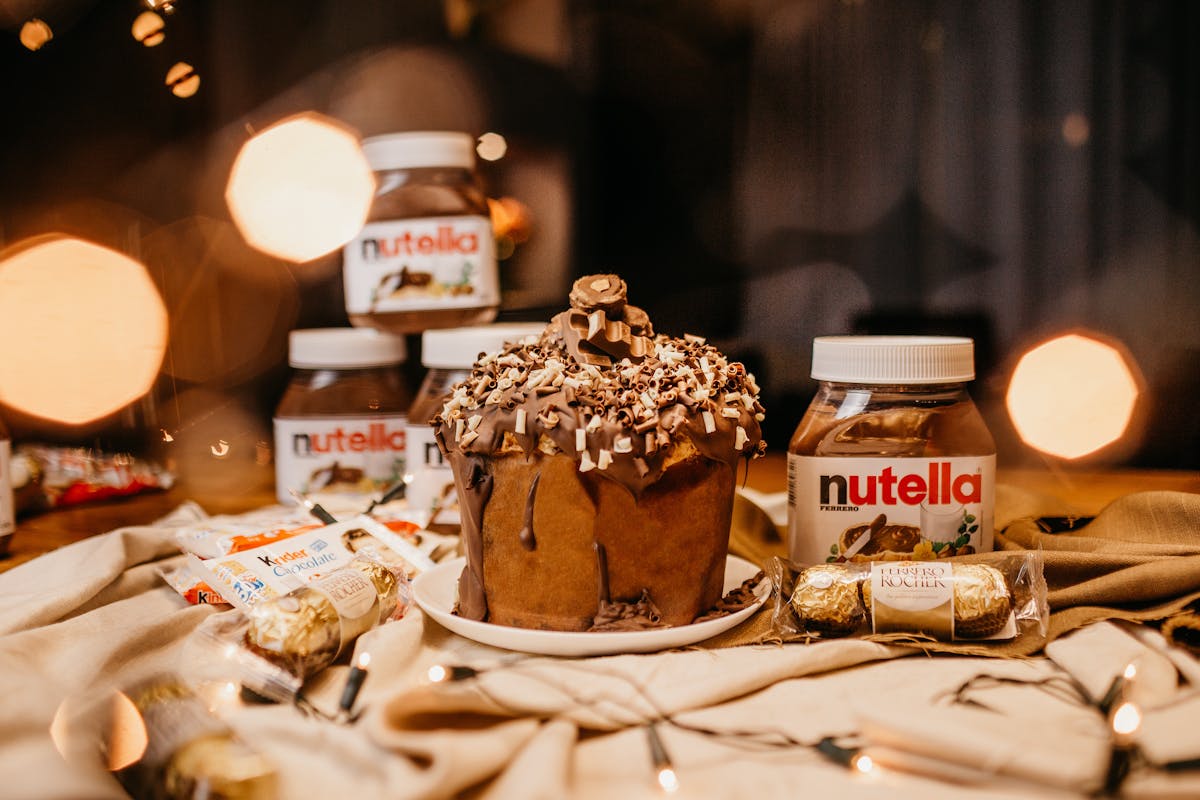
Nutella feels like a treat invented purely for pleasure, but its roots reach back to postwar scarcity in Italy. After World War II, cocoa was expensive, imports were limited, and traditional chocolate was far beyond the reach of many families. For pastry makers, this created a serious business problem because customers still wanted the taste of chocolate, even though the raw ingredient had become difficult to afford.
Pietro Ferrero, working in the Piedmont region of Italy, found the answer in hazelnuts. The region had plenty of them, and they could stretch a small amount of cocoa into something richer, nuttier, and more affordable. Instead of trying to make pure chocolate with ingredients he could not reliably obtain, Ferrero created a hazelnut-and-cocoa mixture that delivered the comfort people craved without relying heavily on scarce cocoa.
The earliest version was not the smooth spread we know today. It began as a firm block that could be sliced and placed on bread. Later, the formula became softer, creamier, and easier to spread, eventually evolving into the product known as Nutella. What began as an emergency response to a shortage became a global breakfast staple and one of the clearest examples of how scarcity can force food innovation.
Nutella’s success also shows an important pattern in desperate invention. A substitute does not always remain a substitute. Sometimes it develops its own identity, wins loyalty, and becomes more culturally powerful than the product it was trying to replace.
Wood Pulp Paper Solved the Rag Shortage and Changed Publishing
For centuries, paper was commonly made from cotton and linen rags. That worked when demand was modest, but the 19th century changed everything. Literacy was rising, newspapers were expanding, books were becoming more popular, and printing technology was advancing faster than traditional paper supplies could keep pace.
The result was a severe shortage of rags. Paper makers needed another source of fiber, and wood became the breakthrough material. Friedrich Gottlob Keller, a German inventor, observed that wasps created paper-like nests by chewing wood fibers. That natural process helped inspire the idea that wood could be mechanically broken down into pulp and turned into paper.
Early wood pulp paper was not perfect. It could yellow, become brittle, and lack the durability of rag paper. Still, it had one major advantage that changed history. It was much cheaper and could be produced in far greater quantities.
This invention helped make newspapers, books, magazines, pamphlets, and school materials more accessible. Cheap paper accelerated the spread of information and supported mass literacy. A shortage in one industry created a foundation for the modern media world.
Chicory Coffee Kept the Coffee Habit Alive During Blockades

Coffee is more than a drink in many cultures. It is a morning ritual, a social habit, and a daily comfort. That is why coffee shortages have often produced creative substitutes. During the Napoleonic era and later during the American Civil War, blockades disrupted coffee shipments, making coffee beans hard to obtain in several regions.
People turned to chicory root because it could be roasted, ground, and brewed like coffee. It did not contain the caffeine found in coffee beans, but it offered a dark color, a bitter edge, and a roasted flavor that helped stretch limited supplies. A small amount of coffee mixed with chicory could last much longer than coffee alone.
New Orleans became one of the most famous places where this habit took root. During supply disruptions, residents used chicory to preserve the coffee experience, and the taste became part of the city’s culinary identity. Even after coffee became available again, chicory remained popular because people had grown to enjoy its earthy flavor.
This is one of the most fascinating outcomes of desperate invention. A shortage can begin as an inconvenience and, by accident, create a tradition. Chicory coffee survived because it became more than a replacement. It became a signature flavor tied to place, memory, and local pride.
Gasogen Vehicles Ran on Wood When Petroleum Became Unavailable
During World War II, gasoline shortages hit civilian life hard in many countries. Fuel was diverted to military use, and ordinary drivers, farmers, doctors, and tradespeople struggled to keep their vehicles running. In response, many people revived and adapted wood gasification technology.
Gasogen vehicles used wood, charcoal, or other biomass to produce combustible gas. A large gasifier unit was attached to the vehicle, often making the car look strange and bulky. The system heated wood in a low-oxygen environment, creating gas that could be filtered and fed into an internal combustion engine.
These vehicles were inconvenient. They were slower, required frequent cleaning, produced less power, and forced drivers to carry fuel in the form of wood rather than liquid gasoline. Yet they worked when conventional fuel was unavailable. That was enough.
At the height of wartime shortages, large numbers of wood-powered vehicles appeared across Europe and parts of Asia. They kept essential transport alive under extreme conditions. Once gasoline became available again, most people quickly abandoned gasogen systems, but their story remains a powerful example of practical engineering under pressure.
Canned Food Was Invented to Feed Armies on Long Campaigns
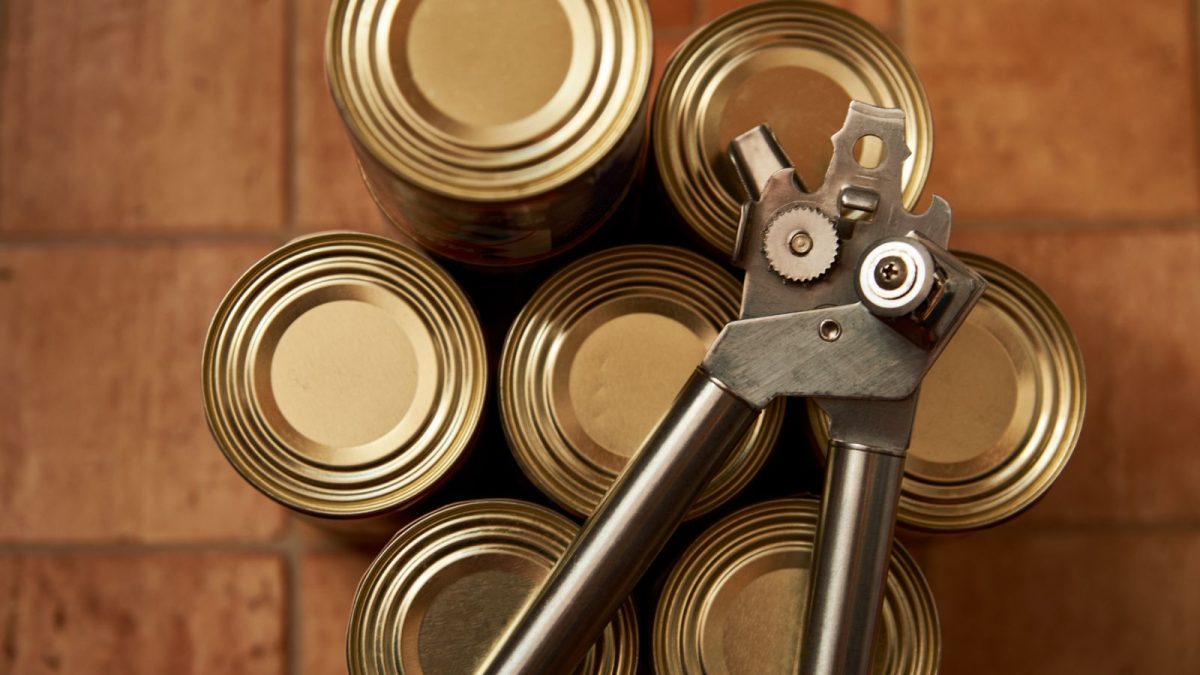
Canned food is now so ordinary that we rarely think of it as a revolutionary invention. Yet its origin was tied directly to military desperation. During the Napoleonic Wars, armies needed reliable food that could withstand long marches, sea travel, poor storage conditions, and changing weather. Hunger and disease could weaken an army as severely as battle.
Napoleon offered a reward for anyone who could develop a dependable method of preserving food. Nicolas Appert, a French confectioner, spent years experimenting with sealed containers and heat. He discovered that food could be preserved by placing it in airtight containers and heating it for a long enough period.
Appert did not fully understand bacteria because modern germ theory had not yet been developed. Still, his method worked. Food lasted longer, spoiled less often, and could be transported more safely. Later, tin-plated cans improved durability and made it easier to move preserved food at scale.
Canning changed military logistics, ocean travel, trade, disaster preparedness, and household cooking. It turned seasonal food into shelf-stable food, giving societies a new way to store calories. A desperate need to feed soldiers helped create one of the most important food preservation systems in history.
Beet Sugar Reduced Europe’s Dependence on Cane Sugar
Sugar once depended heavily on tropical cane plantations and global trade routes. That made Europe vulnerable when political conflict disrupted supply. During the Napoleonic era, trade restrictions and blockades made cane sugar scarce and expensive across parts of Europe.
Scientists already knew that beets contained sucrose, but turning that knowledge into an industry required urgency. Governments supported research, farmers planted sugar beets, and factories were built to extract and refine sugar from a crop that could grow in European soil. What had once seemed like a scientific possibility became an economic necessity.
Beet sugar changed the balance of the sugar trade. It provided European countries with a local source of sweetness and reduced their dependence on imported cane sugar. Even after trade routes reopened, beet sugar remained competitive because the infrastructure had already been built.
This invention also shows how scarcity can reshape agriculture. A shortage does not simply create a product. It can create new farms, factories, jobs, and supply chains that last long after the original crisis ends.
Synthetic Dyes Made Bright Colors Available to Ordinary People

Before synthetic dyes, brilliant colors were often expensive, unstable, or difficult to produce. Purple, deep blue, and other rich shades could require rare plants, insects, minerals, or sea creatures. Color was not just decoration. It was a sign of wealth, status, and access.
In 1856, William Henry Perkin was trying to synthesize quinine, a treatment for malaria. The experiment failed in its original purpose, but it produced an unexpected result: a vivid purple dye. Perkin recognized the commercial value of the substance and developed mauveine, one of the first successful synthetic dyes.
The result transformed fashion and manufacturing. Bright colors became more affordable and widely available. Textile makers no longer had to rely solely on rare natural sources, and ordinary consumers could wear colors once reserved for elites.
Synthetic dyes also helped launch the modern chemical industry. The same industrial chemistry that changed clothing later influenced medicine, photography, plastics, and other fields. One failed medical experiment helped usher in a new era of color and chemical innovation.
Fanta Was Created When Coca Cola Ingredients Could Not Reach Germany
Fanta’s origin is one of the strangest examples of a brand created under pressure. During World War II, Coca-Cola’s German operation could no longer reliably import the syrup needed to make the original drink. Trade restrictions and wartime disruption cut off access to the core ingredient that defined the product.
The local team needed a beverage they could make with available materials. Instead of completely shutting down production, they created a new soda using ingredients that were easier to obtain in wartime Germany. These included leftovers and byproducts from other food industries, depending on availability.
The drink became Fanta. Its name came from the idea of using imagination, which suited the situation perfectly. The product existed because the company had to invent around a broken supply chain.
Fanta later became a global brand with many fruit flavors and a much different identity from its early origins. Its story reveals how business survival can produce unexpected products. When a company cannot make its main item, the substitute may become valuable enough to stand on its own.
Key Takeaway
Many of the products we now take for granted began as urgent answers to uncomfortable problems. War, blockades, rationing, failed trade routes, rising prices, and material shortages forced inventors to work faster and think differently.
The deeper lesson is simple. Innovation does not always arrive dressed as luxury. Sometimes it arrives as a last resort, built from whatever is still available, and only later does the world realize it has changed everyday life.