20 Foods That Help Unclog Arteries Naturally and Protect Your Heart
Foods that help unclog arteries can support healthier cholesterol, better blood pressure, calmer inflammation, and stronger blood flow when they are part of a consistent heart-smart diet.
Heart disease remains the leading cause of death in the United States, and clogged arteries sit at the center of many heart attacks and strokes. Plaque builds slowly inside arterial walls when cholesterol, calcium, inflammatory cells, and other materials accumulate over time, narrowing blood flow and making the arteries less flexible. Current heart-health guidance points to an eating pattern rich in vegetables, fruits, whole grains, legumes, nuts, seeds, fish, and healthier unsaturated fats as one of the strongest daily tools for lowering cardiovascular risk.
No food works like a drain cleaner inside the body. Oats, berries, fish, olive oil, beans, and leafy greens do something more realistic and more useful. They help lower LDL cholesterol, improve blood pressure, reduce oxidative stress, support gut health, boost nitric oxide production, and make it harder for plaque-promoting conditions to thrive.
Oats
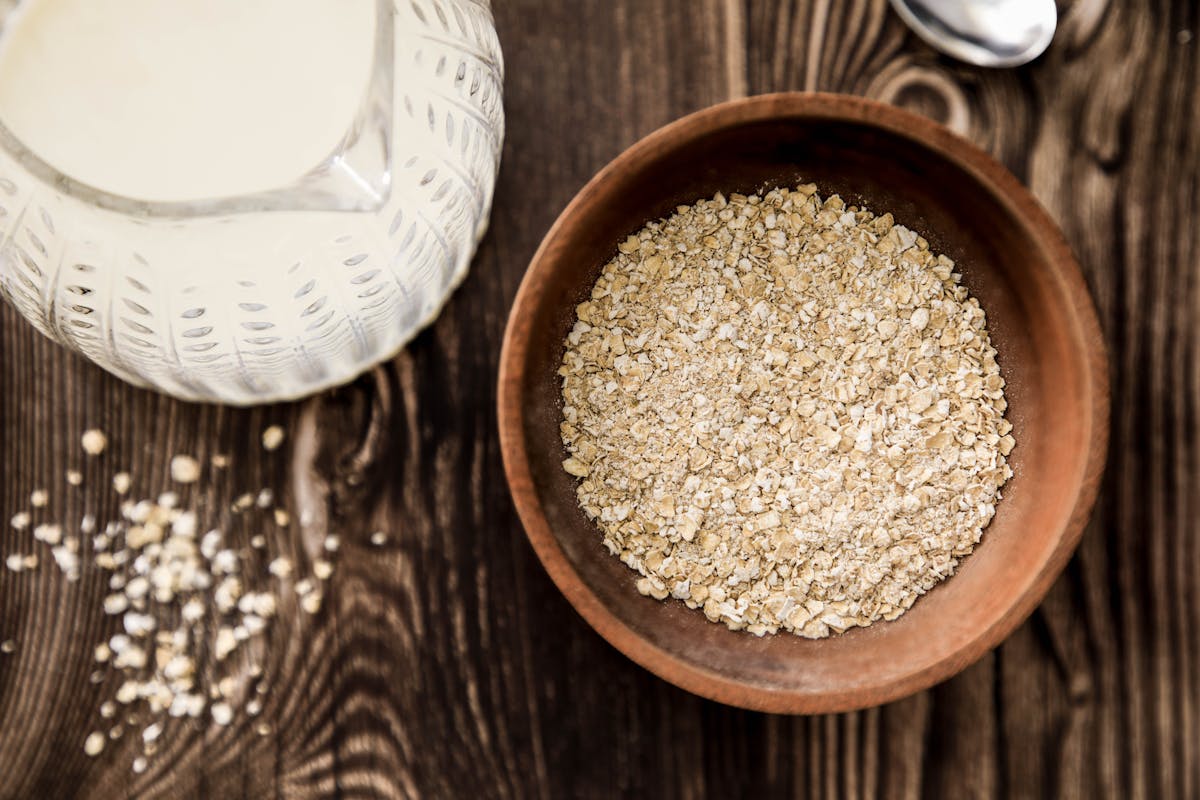
Oats are among the strongest everyday foods for arterial health because they contain beta-glucan, a soluble fiber that helps reduce LDL cholesterol. Soluble fiber forms a gel in the digestive tract and helps bind cholesterol-rich bile acids, which encourages the body to remove more cholesterol from the bloodstream. The FDA has long recognized oat beta-glucan as part of a diet that may reduce the risk of coronary heart disease.
A bowl of oatmeal works best when it stays simple. Use plain rolled oats or steel-cut oats, then add berries, ground flaxseed, cinnamon, and a small handful of nuts. Skip the instant packets loaded with sugar because they turn a heart-smart breakfast into a dessert wearing a health costume.
Lentils
Lentils are a rich source of plant protein, fiber, magnesium, potassium, and polyphenols. They support artery health by replacing high-saturated-fat meats, improving fullness, and helping lower LDL cholesterol when eaten as part of a broader heart-smart pattern. Pulse-rich diets have been linked with improvements in total cholesterol, LDL cholesterol, apolipoprotein B, and blood pressure markers.
Red lentils cook quickly and disappear beautifully into soups and sauces. Green and brown lentils hold their shape better in salads and bowls. For a stronger heart-health plate, pair lentils with leafy greens, tomatoes, onions, garlic, and extra virgin olive oil.
Beans
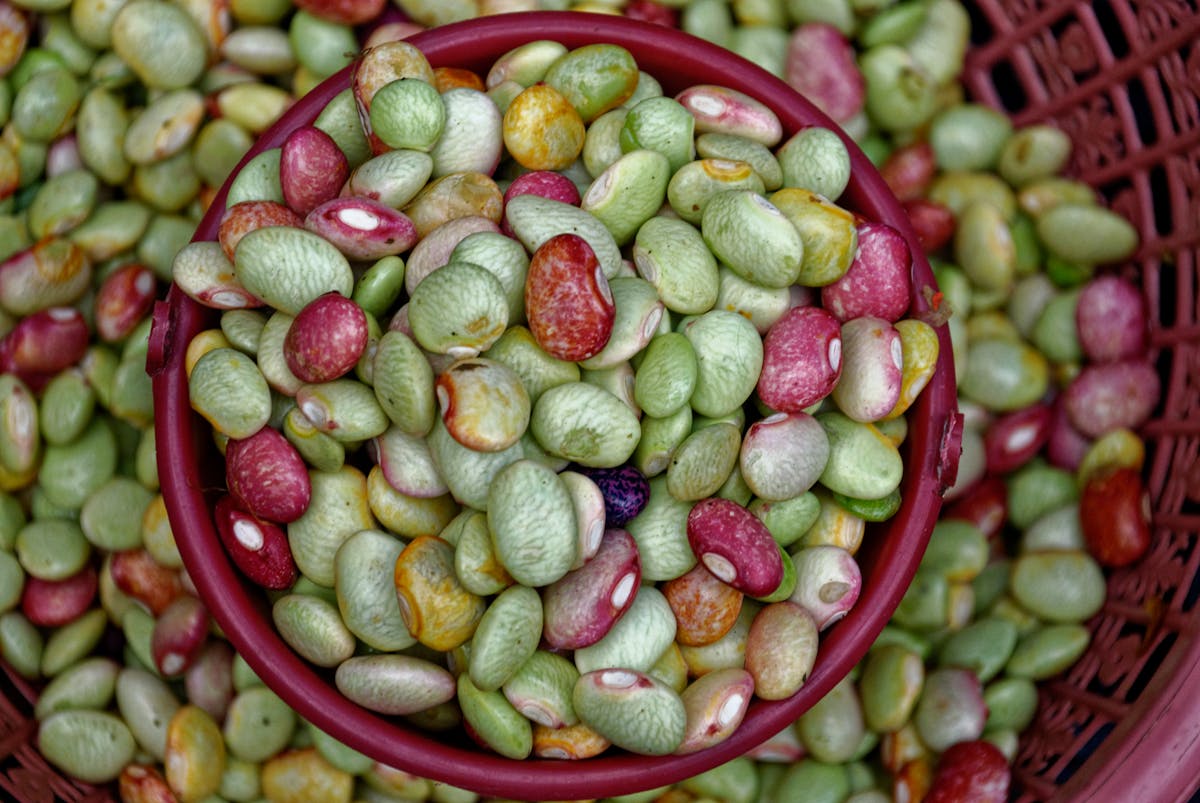
Black beans, kidney beans, pinto beans, navy beans, and cannellini beans provide fiber and plant protein without the saturated fat found in many animal proteins. Their soluble fiber can help manage cholesterol, while their potassium and magnesium help control blood pressure. Higher legume intake has been associated with improved cardiometabolic health in several systematic reviews, although the benefits depend on overall diet quality and consistent intake.
Beans also help the gut produce beneficial short-chain fatty acids. That matters because gut health, inflammation, cholesterol metabolism, and heart health are increasingly connected. Canned beans are fine, but choose low-sodium versions or rinse them well.
Chickpeas
Chickpeas are artery-friendly because they combine fiber, plant protein, resistant starch, potassium, and minerals in one affordable food. They work especially well as a swap for processed meats or refined snacks. Hummus with vegetables, chickpea salads, roasted chickpeas, and chickpea stews can all support a cholesterol-conscious diet.
The key is preparation. Chickpeas cooked in olive oil, herbs, lemon, and spices are heart-smart. Chickpeas buried under salty sauces, fried coatings, or creamy dressings lose much of their advantage.
Salmon
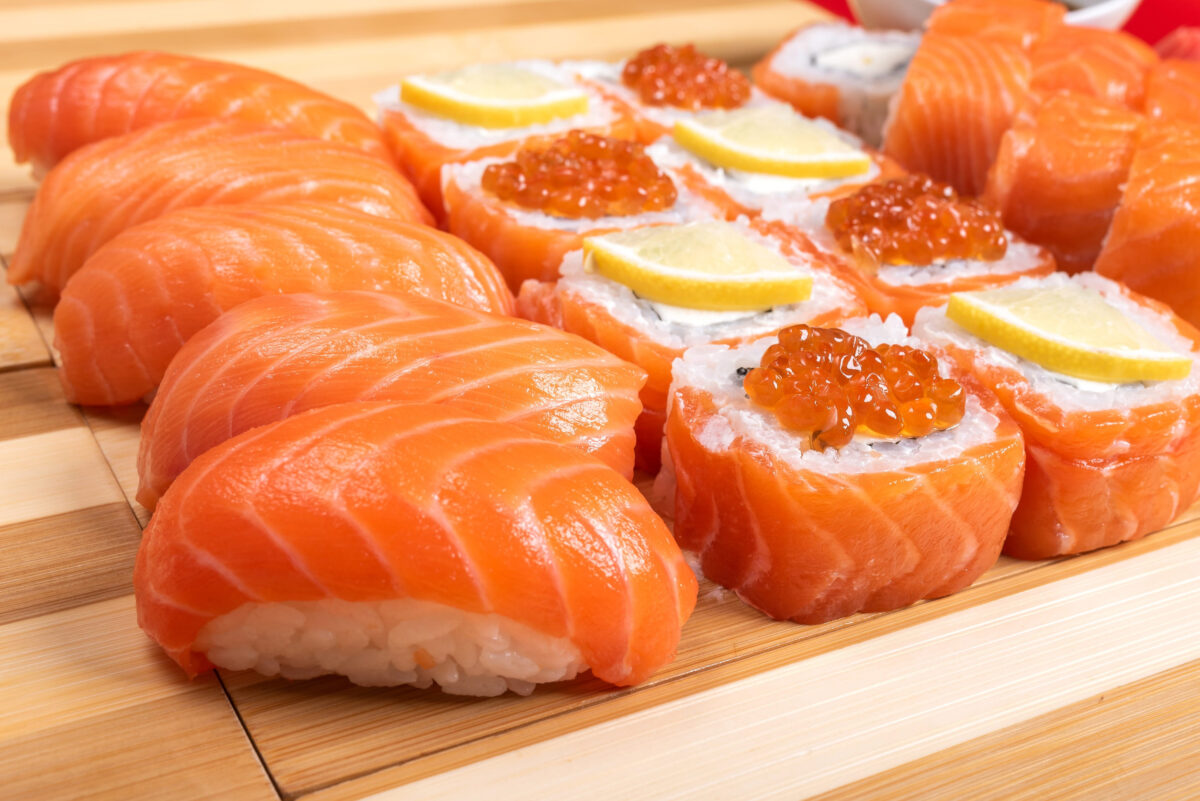
Salmon is rich in EPA and DHA, the long-chain omega-3 fatty acids most associated with heart health benefits. These fats help lower triglycerides and may support healthier cardiovascular outcomes, especially when fish replaces less healthy foods. Current evidence supports eating fish and seafood as part of a balanced, heart-healthy diet.
Choose baked, grilled, or poached salmon instead of fried versions. Pair it with vegetables, beans, or whole grains rather than creamy sauces and refined sides. The goal is not just to add salmon, but to use it as a cleaner protein anchor.
Extra Virgin Olive Oil
Extra virgin olive oil is a signature fat in Mediterranean-style eating. It is rich in monounsaturated fats and polyphenols that support healthier lipid profiles and reduce inflammation when used instead of butter, lard, shortening, or tropical oils. Mediterranean eating patterns emphasize olive oil along with vegetables, fruits, whole grains, beans, nuts, and fish.
Use olive oil for salad dressings, sautéed vegetables, roasted fish, grain bowls, and bean dishes. It is still calorie-dense, so the win comes from replacement, not unlimited pouring. Swap it in where saturated fats once dominated.
Sardines
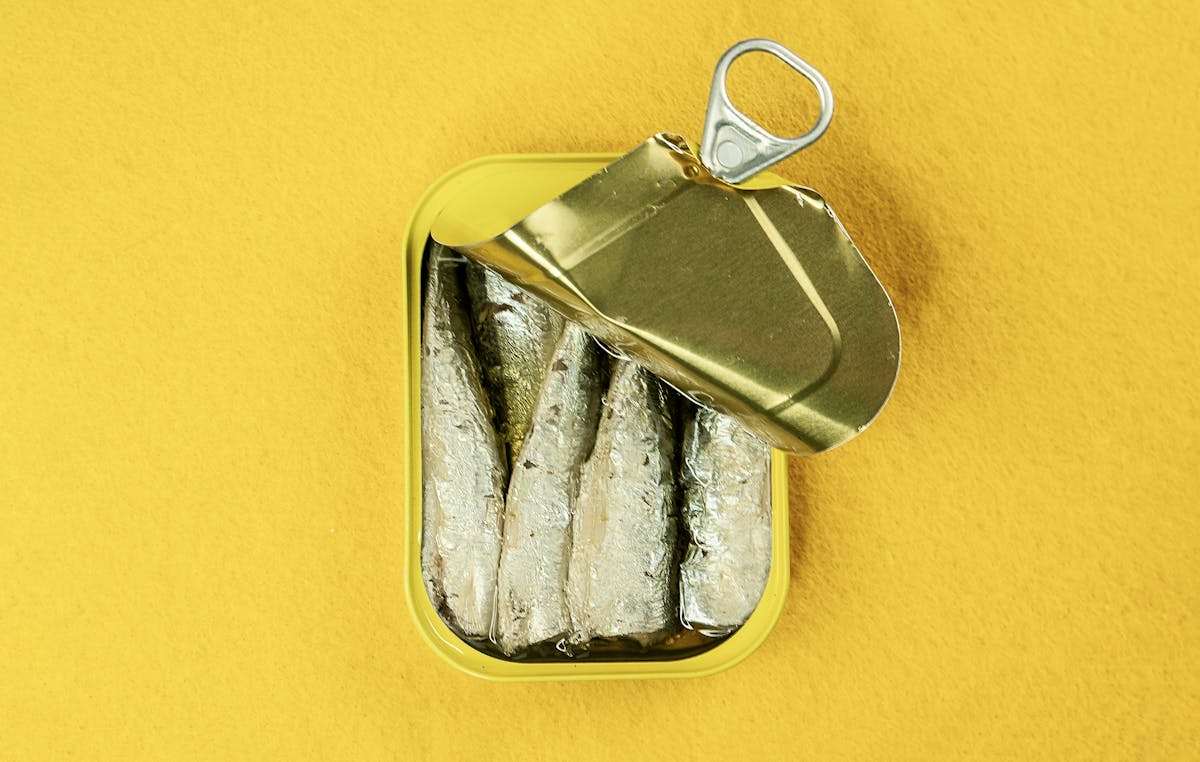
Sardines are small fish with big artery benefits. They provide omega-3 fats, protein, vitamin D, calcium when eaten with the bones, and minerals, without the high-mercury risk associated with some larger fish. They are also budget-friendly and shelf-stable.
Use sardines on whole-grain toast, in tomato-based pasta, over salads, or mashed with lemon and herbs. Choose water-packed or olive oil-packed sardines when possible, and watch your sodium intake if you have high blood pressure.
Avocado
Avocado provides monounsaturated fat, fiber, and potassium, and its creamy texture can replace mayonnaise, butter, or cheese in many meals. That replacement effect matters. Artery-friendly eating often improves when saturated fats are replaced with unsaturated fats from plant foods.
Use avocado on whole-grain toast, in salads, in bean bowls, or as a spread with lemon and herbs. Keep portions sensible. Half an avocado can make a meal more satisfying without turning it into a calorie bomb.
Walnuts
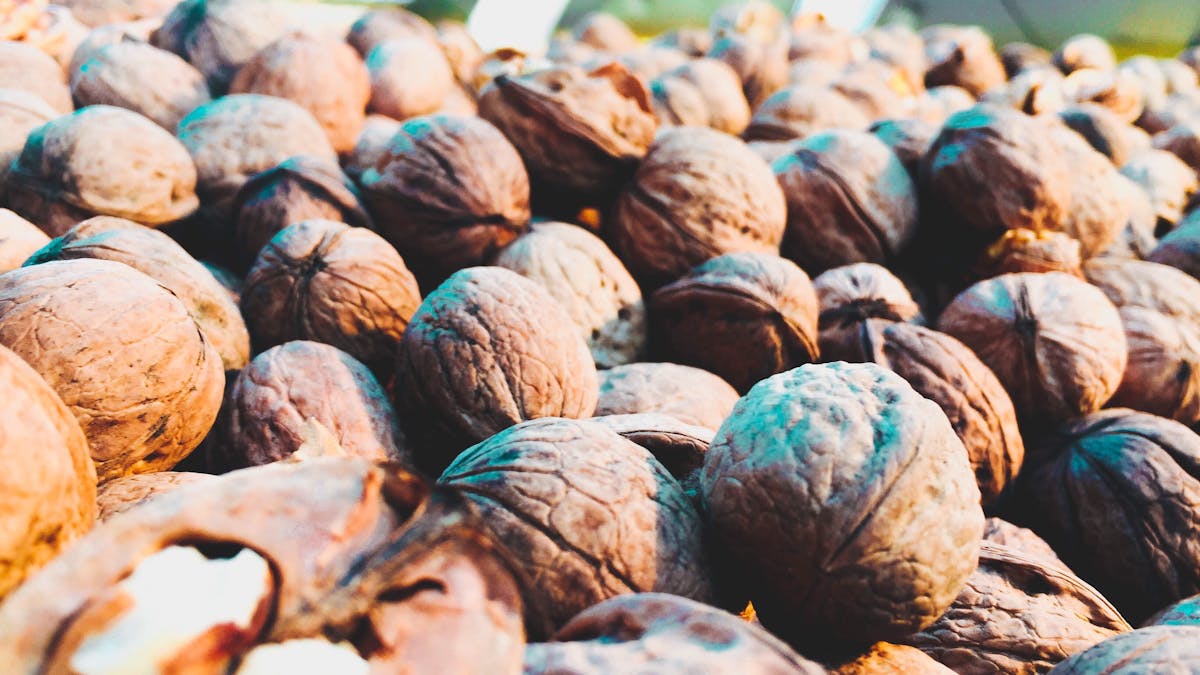
Walnuts stand out because they contain alpha-linolenic acid, a plant omega-3 fat, along with fiber, minerals, and polyphenols. Tree nut intake has been shown in reviews of controlled trials to lower total cholesterol, LDL cholesterol, apolipoprotein B, and triglycerides.
A small handful is enough. Add walnuts to oatmeal, yogurt, salads, roasted vegetables, or whole-grain pilafs. Choose unsalted walnuts to keep sodium intake in check.
Almonds
Almonds are rich in unsaturated fats, vitamin E, magnesium, plant protein, and fiber. They are among the easiest snacks for people trying to move away from chips, cookies, and processed snacks. Nut consumption has been linked with improvements in several cardiovascular biomarkers, especially when nuts replace refined carbohydrates or saturated fat.
The best choice is plain, unsalted almonds. Honey-roasted, heavily salted, or candy-coated versions move the snack in the wrong direction. For better appetite control, pair almonds with fruit rather than eating them straight from a large bag.
Chia Seeds

Chia seeds deliver soluble fiber, plant omega-3 fatty acids, magnesium, and other minerals in a tiny package. Their gel-forming fiber can help with fullness and with building cholesterol-friendly meals. They are especially useful for people who struggle to eat enough fiber.
Stir chia into oatmeal, yogurt, smoothies, or overnight oats. Let them absorb liquid before eating. Two tablespoons can add texture and nutrition without much effort.
Blueberries
Blueberries are rich in anthocyanins, the pigments that give many berries their deep blue and purple color. Research reviews suggest anthocyanin-rich berries may support cardiovascular health by improving blood lipid profiles and lowering inflammatory markers.
Fresh and frozen blueberries both work. Add them to oatmeal, plain yogurt, smoothies, salads, or whole-grain pancakes. The artery-friendly version is blueberries with fiber-rich foods, not blueberries baked into a sugar-heavy dessert every day.
Strawberries
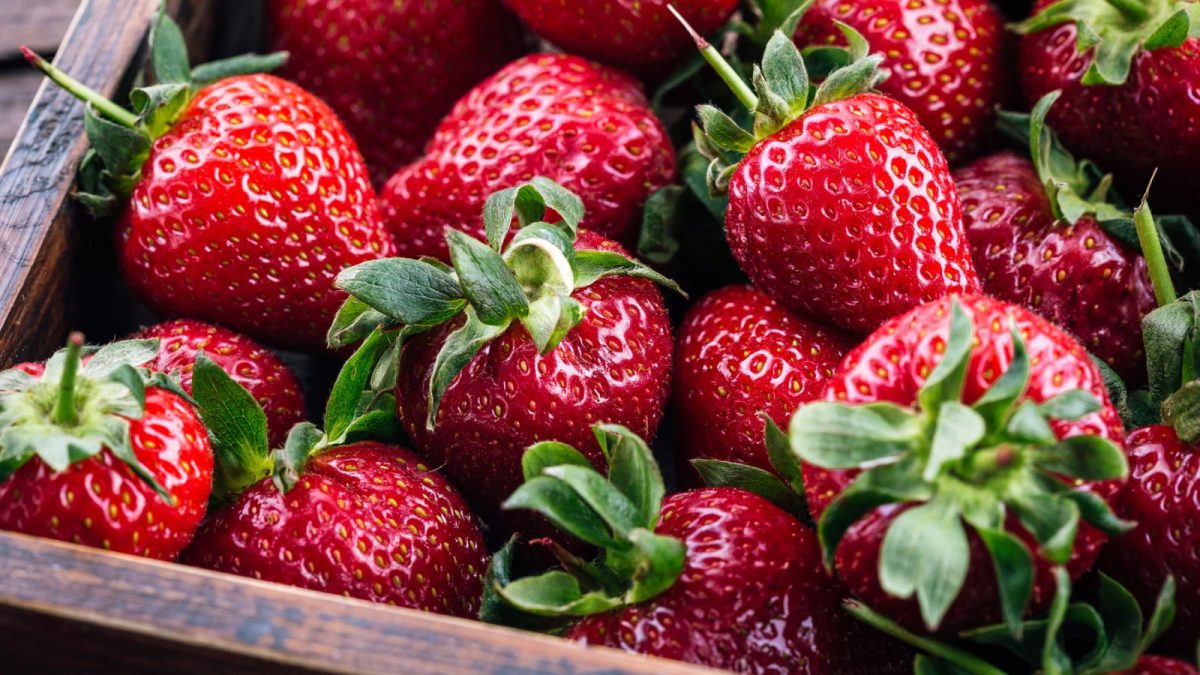
Strawberries bring vitamin C, fiber, polyphenols, and natural sweetness. They help satisfy sugar cravings without the blood sugar surge that can come from pastries, candy, and sweet drinks. Berry intake has been linked to improvements in metabolic risk factors associated with cardiovascular disease.
Slice strawberries and add them to oats, yogurt, salads, or chia pudding. They also work well with balsamic vinegar and nuts for a simple dessert that feels special without leaning on added sugar.
Tomatoes
Tomatoes contain potassium, vitamin C, fiber, and lycopene, a carotenoid linked with antioxidant activity. They fit naturally into Mediterranean-style meals, especially when paired with olive oil, beans, fish, herbs, and whole grains. Tomato-based meals can also help replace creamy, high-saturated-fat sauces.
Use tomatoes in soups, salads, stews, salsa, and pasta sauces. Choose no-salt-added canned tomatoes when possible. If using regular canned tomato products, balance the rest of the meal with lower-sodium ingredients.
Apples
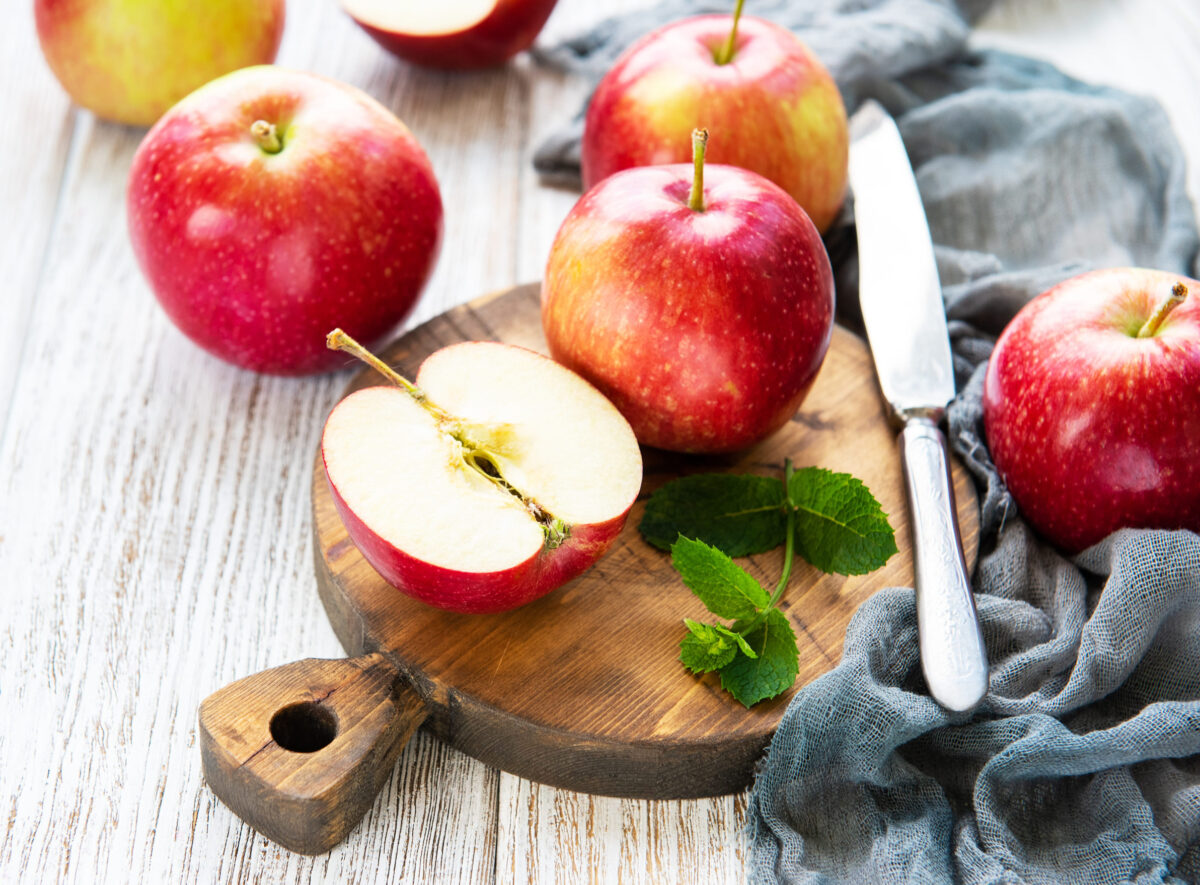
Apples are rich in pectin, a soluble fiber that supports cholesterol-friendly eating. They also provide polyphenols and natural sweetness in a portable form. Apples are especially useful because they can replace ultra-processed snacks that are high in added sugar, refined flour, and saturated fat.
Eat apples with nuts, oats, yogurt, or peanut butter for a more filling snack. Keep the peel when possible because it contains extra fiber and plant compounds.
Citrus Fruits
Oranges, grapefruit, lemons, limes, and mandarins provide vitamin C, fiber, potassium, and flavonoids. Whole citrus fruits are better than juice because the fiber slows sugar absorption and supports fullness. For artery health, chewing fruit beats drinking a large glass of fruit sugar.
Grapefruit can interact with some cholesterol and blood pressure medications, so anyone taking prescription drugs should check with a clinician or pharmacist before eating it often. Oranges, mandarins, lemons, and limes are easier choices for most people.
Beets

Beets contain dietary nitrates, which the body can convert into nitric oxide, a compound involved in blood vessel relaxation. They also offer fiber, potassium, folate, and deep red pigments called betalains. This makes them useful in meals designed to support blood flow and blood pressure.
Roast beets, grate them into salads, blend them into hummus, or add them to grain bowls. People prone to kidney stones may need personalized advice because beets are high in oxalates.
Watermelon
Watermelon contains citrulline, an amino acid involved in nitric oxide production. Nitric oxide helps relax blood vessels, supporting healthy circulation. Watermelon also provides hydration, potassium, and lycopene.
The best way to use watermelon is as a fresh fruit, not as candy, syrup, or sweetened juice. Pair it with mint, cucumber, or a small amount of feta for a summer-style heart-smart snack.
Green Tea
Green tea contains catechins, including EGCG, which have been studied for effects on blood pressure, cholesterol, oxidative stress, and vascular function. Reviews suggest green tea catechins may modestly improve blood pressure and cholesterol markers, although results vary by dose, population, and supplement form.
Brewed green tea is the safer everyday choice. Concentrated extracts can cause side effects or interact with medications. Use green tea as a replacement for sugary drinks, not as a magic shield against poor eating.
Dark Chocolate
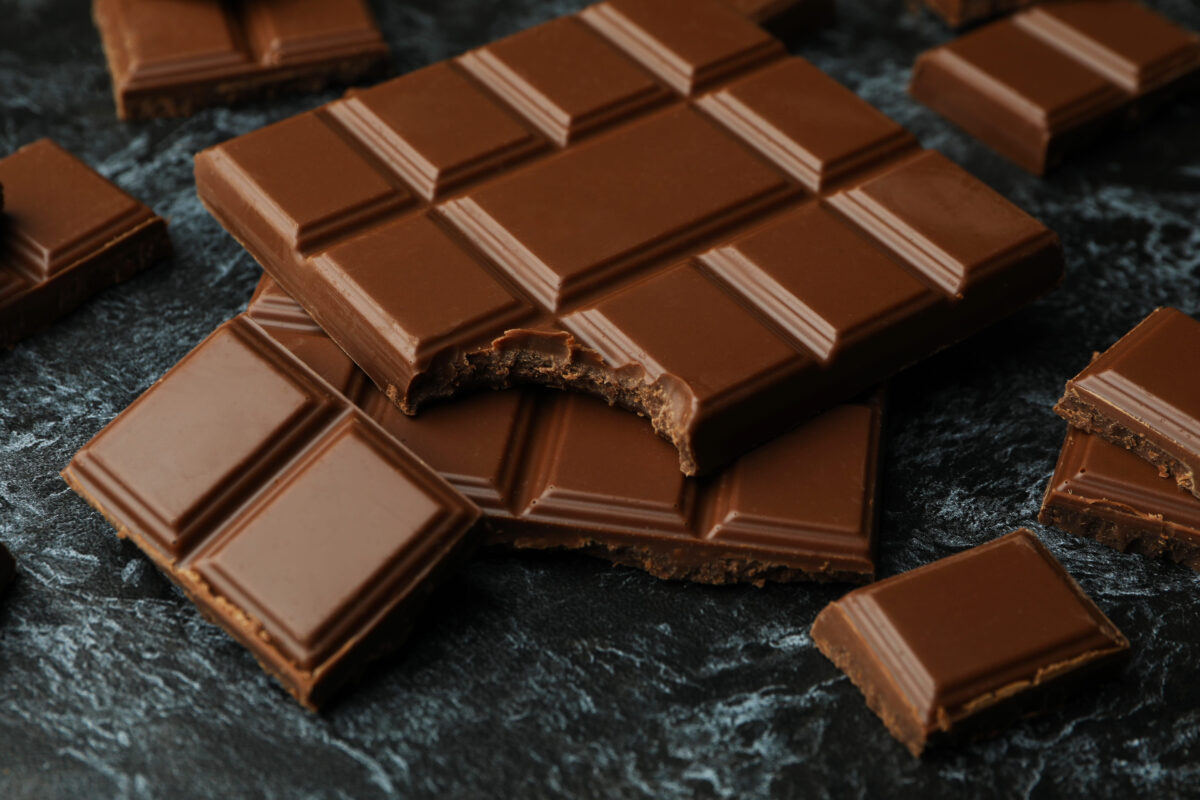
Dark chocolate can fit into an artery-friendly diet when it is high in cocoa and eaten in small portions. Cocoa flavanols have been studied for their effects on blood vessel function and antioxidant activity, but chocolate remains calorie-dense and may contain sugar and saturated fat. The healthiest use is small, intentional, and not daily overconsumption.
Choose dark chocolate with a higher cocoa percentage and keep the serving small. Pair it with berries or nuts instead of sugary desserts. The goal is pleasure with boundaries.
Final Takeaway
Foods that help unclog arteries are really foods that help create cleaner conditions inside the body. They lower LDL cholesterol, support blood pressure, reduce inflammation, improve blood vessel function, and replace foods that raise plaque risk.
The best strategy is not chasing one miracle food. It is building a daily plate around oats, beans, lentils, berries, leafy greens, fatty fish, olive oil, nuts, seeds, fermented foods, and colorful vegetables. Done consistently, that pattern gives the heart what it needs to work with strength, flexibility, and protection.