
This Old-Fashioned Chicken and Dumplings Recipe Makes Staying In Sound Like a Very Good Plan
Some dinners arrive with a dramatic garnish and a sink full of equipment. Chicken and dumplings takes a different approach: a big pot, a savory broth and tender pieces of dough that make the spoon as important as the fork. The appeal is right there in the bowl. You get chicken, homemade dumplings, and a rich, comforting base without turning dinner into a performance. Southern Bite recipe developer Stacey Little’s version delivers exactly that.
Little builds his recipe around a whole chicken, onion and celery, then adds rolled dumplings made with flour and ice water. There is a practical shortcut, too: canned cream of chicken soup helps finish the broth. This is homemade cooking without insisting that every component start from scratch. His recipe serves five and lists a total preparation and cooking time of one hour and 50 minutes, making it a dinner worth planning ahead for rather than squeezing into a rushed evening.
The Comfort Starts With the Broth
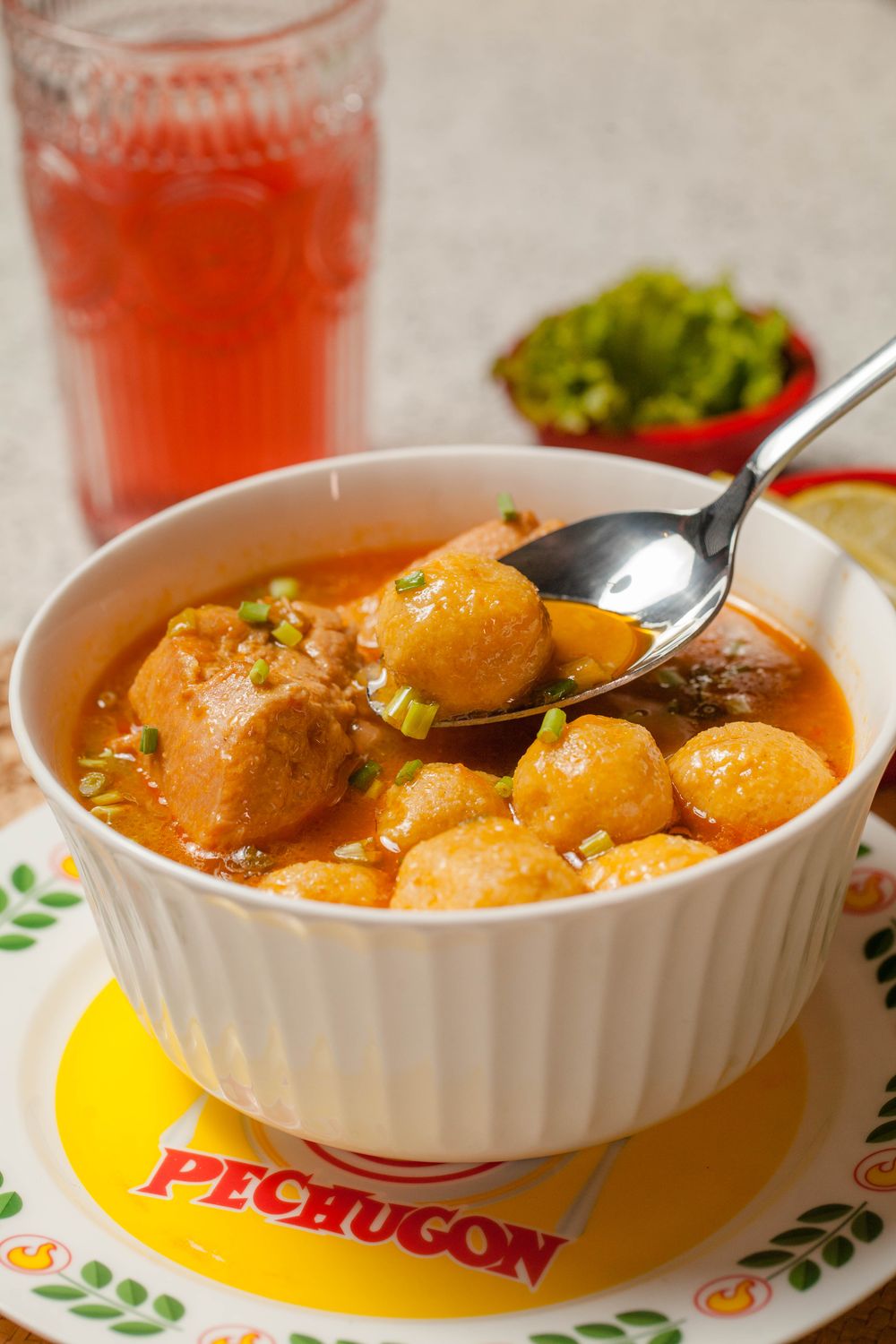
Before the dumplings get their moment, the chicken does the heavy lifting. Little starts with a 3- to 4-pound whole young chicken, three celery ribs cut into large pieces and one peeled, quartered onion. The pot also gets 1 tablespoon chicken base (or 3 chicken bouillon cubes), plus 2 teaspoons salt and 1 teaspoon black pepper. Add about 12 cups of water to cover the chicken, then simmer for about an hour, until the meat begins to pull away from the bones.
Little makes his priorities clear: “Over the years, I’ve learned that nothing is more important about chicken and dumplings than getting your stock right.” He explains that the bones help enrich the broth, which is why he uses a whole bird. That choice connects the dish’s two main parts: the chicken supplies the meat for dinner while also building the liquid the dumplings will cook in. The broth is not merely something poured around the finished meal; it is part of its foundation.
Once the chicken is cooked, lift it out and let it cool enough to handle. Remove the onion and celery, either with utensils or by straining the stock. Pull the chicken meat from the bones, shred it and discard the skin and bones. Little’s method gives an approximate cooking time, but a thermometer provides the safety check: federal food-safety guidance says chicken must reach an internal temperature of 165°F. Time helps organize the recipe; temperature confirms the poultry is cooked safely.
Related; Angry Chickz Is Bringing Its Nashville Hot Chicken to Sacramento With Its 48th Restaurant.
Homemade Dumplings Without the Guesswork
Here is the detail that keeps expectations straight: these are rolled dumplings, not fluffy spoonfuls of biscuit-like batter. Little describes the all-purpose-flour version as having “an almost ‘al dente’ pasta texture.” That means the finished dumplings have a denser bite rather than an airy center. Neither style needs to win a comfort-food competition, but knowing which one you are making matters. This recipe is for thin pieces of dough cooked directly in the broth, not oversized, cloudlike dumplings perched above it.
To make them, combine 2 cups all-purpose flour with 3/4 cup ice water. Stir with a fork until the mixture looks shaggy, then bring it together with your hands. Turn it onto a floured surface and knead a few times to combine. Roll the dough to about 1/8 inch thick, adding flour underneath or on top as needed to prevent sticking. Little recommends stirring the flour, spooning it into the measuring cup, and leveling it off when measuring.
Next, cut the dough into strips about 1 inch wide, then into pieces about 2 inches long. A pizza cutter makes this part quick; you don’t need perfectly matching rectangles. Set the pieces aside while you finish the broth. Little also notes that self-rising flour can produce lighter dumplings, but they may break apart if you stir too much. For the denser texture described here, his standard all-purpose-flour method keeps the recipe’s intended result clear.
Bring It Together, Then Give Leftovers a Proper Home
Return the strained stock to medium-high heat and whisk in one 10.5-ounce can of cream of chicken soup. Little calls the soup optional but recommends it for added flavor and some thickening. Taste before adding more salt or pepper. If you prefer a thicker base, his optional next step is a slurry made from three tablespoons of cornstarch and one-quarter cup of cool water. Whisk that mixture into the stock and bring it to a boil to thicken.
Now comes the part that turns chicken broth into chicken and dumplings. Bring the liquid to a rolling boil, then drop in the dough pieces one at a time, placing them in the broth rather than piling them on top of one another. Stir gently. Little directs cooks to simmer the added dumplings for about five minutes, until tender and beginning to float. Gently return the shredded chicken to the pot and cook until heated through. The finished bowl brings the chicken and dumplings together in the same savory broth.
The rolled style is not interchangeable with every other dumpling recipe. For example, Jessica Battilana’s chicken and herb dumplings recipe for King Arthur Baking uses a batter with baking powder, egg, milk, herbs, and scallions. Cook those spoonfuls covered at a simmer, and check for a fluffy interior by cutting a dumpling. Little’s thin, rolled pieces follow a different method. Keeping these approaches separate avoids a common source of confusion: expecting one dough to behave like another.
After dinner, give the leftovers the same attention as the cooking. USDA guidance says to refrigerate perishable leftovers within two hours, divide large amounts into shallow containers to cool faster, and use refrigerated leftovers within three to four days. Reheat leftovers to 165°F. That leaves a straightforward finish to an old-fashioned meal: put the pot away safely, save tomorrow’s portion, and let dinner be exactly what it promised: chicken, homemade dumplings, and a very good reason to stay in.


