10 Air Fryer Mistakes That Keep Ruining Your Food
The air fryer was supposed to make dinner easier, crispier, and less stressful. Instead, plenty of people still end up with soggy fries, dry chicken, pale vegetables, or food that looks perfect on the outside but tastes disappointing on the inside. The machine gets blamed, but most air fryer failures come from small habits that quietly sabotage the basket before the cooking even begins.
That is the tricky thing about air fryers. They look simple, but they reward people who understand airflow, spacing, moisture, temperature, and timing. Once those details click, the same appliance that made sad potatoes and chewy chicken can suddenly turn out golden snacks, juicy proteins, and weeknight meals that feel almost unfairly easy.
Here are some air fryer mistakes you could be making that ruins your food.
You Keep Overcrowding the Basket

Overcrowding is the fastest way to ruin air fryer food. The machine works by pushing hot air around the food, so every piece needs room for that air to move. When fries, wings, vegetables, or nuggets are piled on top of one another, the bottom pieces steam rather than crisp.
That is why a packed basket often gives you food that is burnt in one spot and soft in another. It may feel faster to cook everything at once, but a single crowded batch often takes longer because the result needs fixing. A single layer, or at least a looser basket, gives the food a real chance to brown properly.
You Skip the Shake or Flip
Air fryers are convenient, but they are not a set-it-and-forget-it miracle for every food. Small items like fries, chickpeas, potato cubes, Brussels sprouts, and frozen snacks need to be stirred during cooking. If they sit in one position the whole time, one side gets more heat while the other stays pale or soft.
A quick shake halfway through cooking can completely change the final texture. Larger foods like chicken breasts, fish fillets, burgers, and pork chops should usually be flipped with tongs. That tiny interruption helps the food cook evenly and gives you a chance to catch problems before the timer ends.
You Use Too Much Oil
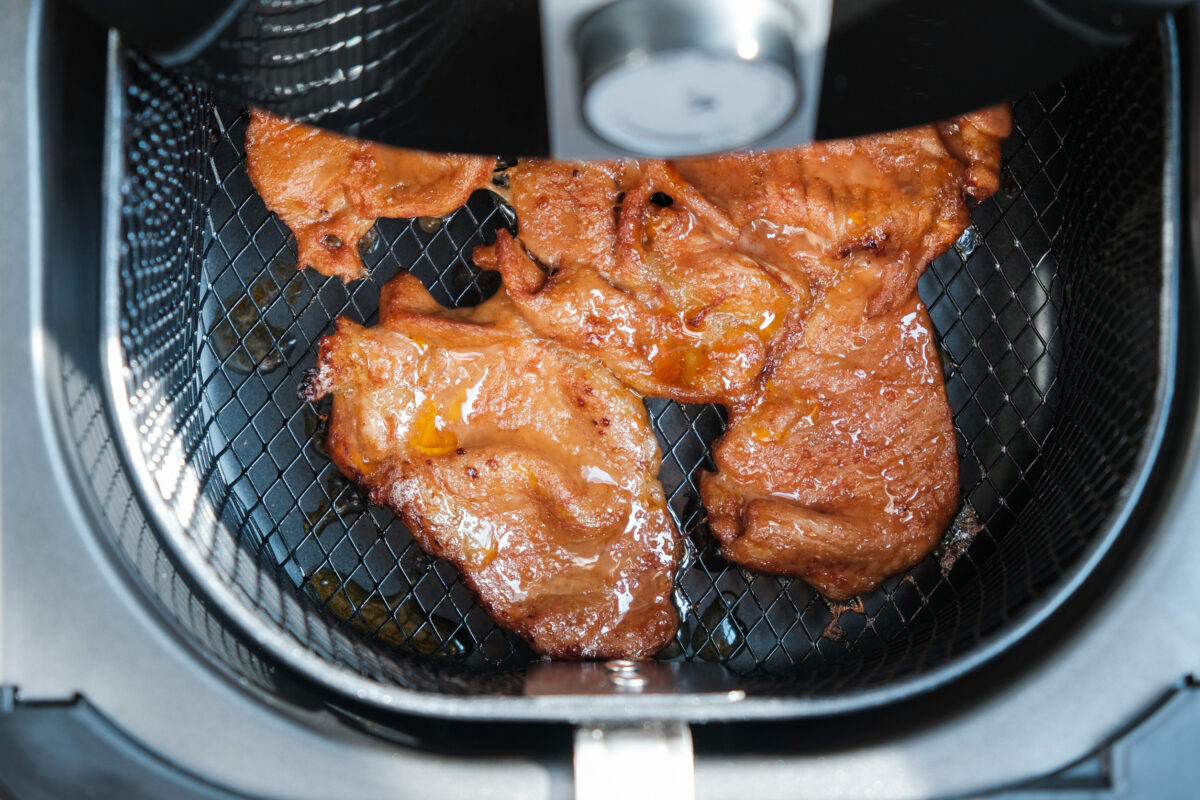
Many people assume more oil means more crispiness. In an air fryer, that idea can backfire badly. Too much oil makes food greasy, weighs down breading, creates smoke, and can leave vegetables or potatoes with a limp texture instead of a crisp bite.
The better move is light, even coverage. A small toss in oil or a quick spray usually does more than a heavy pour. The goal is to help the surface brown, not soak the food like it is going into a deep fryer.
You Put Wet Food Straight Into the Basket
Moisture is one of the biggest enemies of air fryer crispiness. Wet chicken, damp shrimp, soaked potatoes, thawed vegetables, or freshly washed tofu must dry before they can brown. If they go into the basket dripping, the air fryer spends the first few minutes steaming off water rather than developing color.
This is why patting food dry matters. A few seconds with a paper towel can make chicken skin crispier, potatoes firmer, and vegetables less soggy. It may feel like a small step, but it often separates golden food from food that tastes like it gave up halfway through cooking.
You Turn the Heat Too High
Cranking up the temperature sounds like a clever shortcut when hunger is winning. The problem is that air fryers already cook faster than many ovens, so extra heat can push food too far too quickly. The outside may darken before the inside finishes, especially with thick chicken, meatballs, sausages, and dense potato wedges.
A smarter shortcut is cutting food into smaller or thinner pieces. Thin chicken cutlets cook more evenly than bulky pieces, and smaller potato cubes crisp faster than giant chunks. Heat should be used with control, not desperation.
You Trust the Timer Too Much

Timers are helpful, but they are not always the final authority. Air fryer models vary, food sizes vary, and frozen items may cook differently depending on brand, thickness, and starting temperature. If you follow the timer blindly, you can easily end up with food that is underdone, overdone, or uneven.
Checking early is one of the best habits you can build. Look at the food a few minutes before the recipe says it should be done, especially the first time you make something. Once you understand how your air fryer behaves, the timing becomes far more reliable.
You Assume All Air Fryers Cook the Same
Not all air fryers are built alike. Some run hotter than expected, some need more time, and some have stronger airflow than others. A recipe that works perfectly in one machine may need small adjustments in another.
This is why every air fryer owner needs to learn their specific model. If your fries always brown too fast, lower the temperature slightly. If your chicken usually needs more time, check it and add minutes gradually instead of guessing wildly.
You Use the Wrong Coating
Wet batter can be a disaster in an air fryer. Traditional liquid batter works in deep oil because the hot oil sets the coating immediately. In an air fryer basket, wet batter can drip, stick, tear, or turn gummy before it ever becomes crisp.
Dry coatings work much better. Breadcrumbs, panko, crushed crackers, flour, cornstarch, and lightly oiled seasoning blends usually hold up well. For chicken, fish, tofu, or vegetables, a firm coating that clings to the surface will almost always beat a loose, wet batter.
You forgot to let the food rest.
The moment the air fryer beeps, it is tempting to grab the food immediately. That works for some snacks, but meats and breaded foods often need a short rest. Cutting into chicken too soon can cause the juices to run out, leaving the meat drier than it needs to be.
A short rest also helps crusts settle. Fries, nuggets, chicken tenders, and breaded fish can firm up slightly after leaving the basket. Just do not trap them under foil, because steam can soften the surface and undo the crispiness you just worked for.
You Do Not Clean the Basket Properly

A dirty air fryer can ruin food before the next batch even starts. Old crumbs burn, leftover oil smokes, and sticky residue can make fresh food taste stale or bitter. Even worse, grease buildup can affect how well the basket releases delicate items like fish, tofu, or breaded chicken.
Cleaning does not need to be dramatic, but it should be regular. Remove crumbs, wash the removable basket and tray when needed, and dry everything before putting it back. A clean basket provides a better surface, better airflow, and fresher flavor.
Conclusion
Most air fryer mistakes are small, which is exactly why they are so easy to miss. A crowded basket, wet chicken, too much oil, skipped shaking, or a dirty tray may not seem like a big deal at first. Together, those habits can turn a promising meal into something soggy, dry, smoky, or uneven.
The good news is that air fryer success does not require professional cooking skills. It mostly requires space, dryness, light oil, steady heat, and a little attention halfway through cooking. Once you fix those habits, the air fryer becomes what it was always supposed to be: a fast, reliable shortcut to crisp food without the kitchen drama.