Before You Refrigerate These 6 Foods, Here’s What You Should Know
The refrigerator is often the first stop for fresh groceries, but not everything needs to go straight onto a cold shelf. Some everyday foods benefit from spending time at room temperature, particularly when they are still ripening or are best kept in a cool, dry storage area.
That doesn’t mean refrigeration is a mistake. In some cases, the fridge becomes the better option once produce ripens, gets peeled, or is cut into pieces. Knowing when to make that switch can help you maintain the flavor, texture, and quality you want from your ingredients.
Here are six familiar foods that don’t always need refrigeration, along with the important exceptions worth knowing.
Bananas
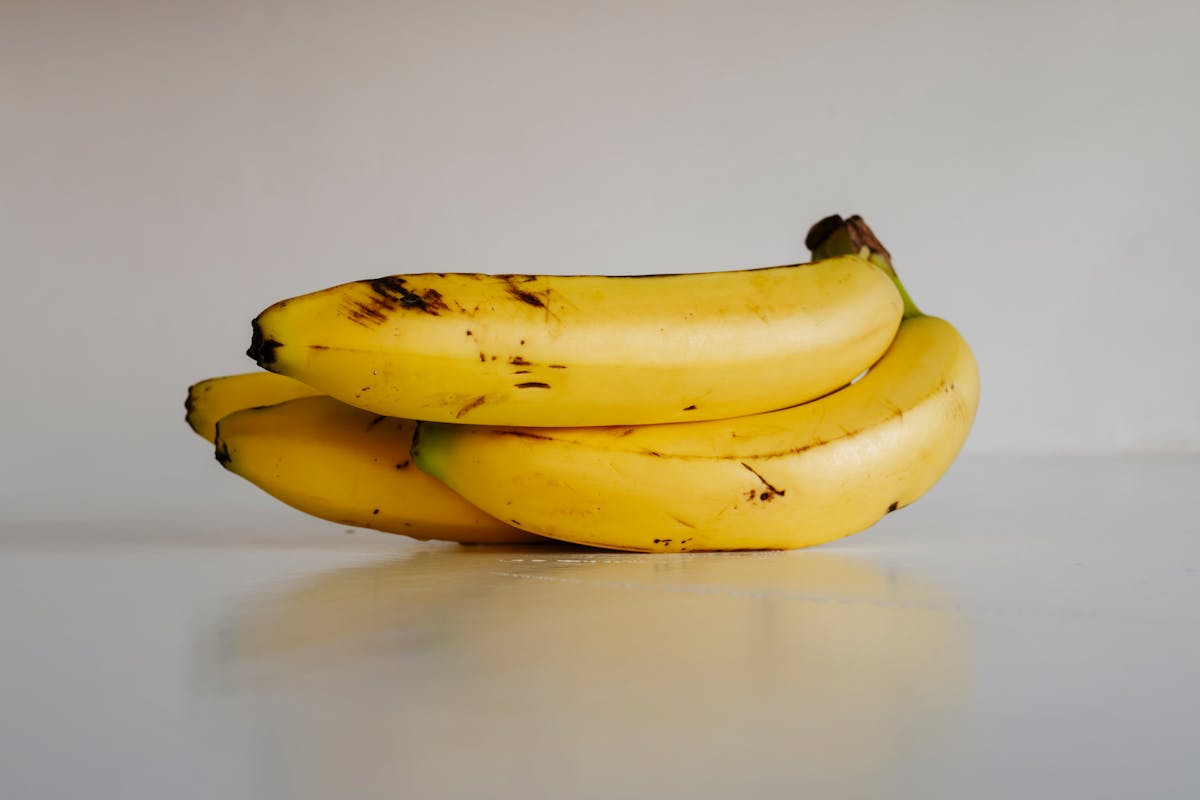
Green bananas are better left at room temperature while they ripen. Putting them in the refrigerator too early can interfere with that process, meaning the fruit may not develop as expected. A countertop is generally the better choice until the bananas reach your preferred ripeness.
Once bananas are ripe, however, refrigeration becomes an option rather than something to avoid. According to Mississippi State University Extension, ripe bananas can be refrigerated for two to three days.
Don’t be alarmed if the peel turns brown while the bananas are chilling. The inside can remain cream-colored even as the outer skin changes appearance. A brown peel alone doesn’t necessarily mean the fruit has gone bad.
The simplest approach is to let bananas ripen outside the refrigerator and consider chilling them when they are ready to eat but won’t be used immediately.
Potatoes
Whole, raw potatoes don’t automatically need refrigerator space. According to the University of Maine Cooperative Extension, a cool, dry, dark, and well-ventilated location is suitable for storing them.
North Dakota State University Extension identifies approximately 45 to 50 degrees Fahrenheit as a useful storage range. It also recommends keeping potatoes away from light and leaving them unwashed until they are needed.
Why does the storage location matter? Refrigeration can change the way potatoes behave during cooking, including making them taste sweeter and develop a darker appearance. That can be particularly noticeable when preparing certain fried potato dishes.
However, not every authority recommends avoiding refrigeration. The UK Food Standards Agency accepts both refrigerated storage and suitable cool, dark, dry conditions. University of Minnesota Extension also recognizes refrigerated storage as an option.
For everyday cooking, a properly cool pantry or storage area can work well, but a hot kitchen cupboard isn’t equivalent to a cool storage space. Once potatoes are peeled, cut, or cooked, they need different handling, including refrigeration.
Related: 15 Best Dinner Foods that Can Help You Reach Your Weight Loss Goals
Whole Dry Onions
That bag of ordinary dry storage onions may not need to occupy a refrigerator drawer. When the onions are whole and unpeeled, they can be kept in a cool, dry location with adequate airflow.
The National Onion Association recommends avoiding plastic bags for whole onions because proper ventilation matters. It also advises keeping them away from direct sunlight, heat, and potatoes or other produce that releases moisture.
There is an important distinction between ordinary dry storage onions and other onion varieties. Sweet onions are generally recommended for refrigerated storage, while green onions and spring onions also belong in the fridge.
Preparation changes the recommendation, too. Whole peeled onions should be refrigerated, and cut onions should go into a sealed container in the refrigerator.
So, before deciding where to store onions, check which kind you’ve purchased and whether the protective outer layers are still intact. The countertop-versus-fridge decision is not the same for every onion.
Whole Garlic Bulbs
Whole garlic bulbs are another ingredient that often does well outside the refrigerator. For everyday storage, cured garlic bulbs are generally suited to a cool, dry place with good air circulation.
The University of California, Davis recommends ventilated storage for whole garlic, with a mesh bag being one suitable option. Keeping the bulbs intact until needed makes it easier to follow this straightforward storage approach.
But once the garlic is prepared, the rules change considerably. Peeled cloves should be placed in a covered container in the refrigerator, and freshly chopped garlic should also be refrigerated. These forms should not be treated like whole, unpeeled bulbs.
Homemade garlic in oil requires particular attention. According to University of Missouri Extension, fresh garlic in oil that has not been prepared using a validated acidification process must be refrigerated immediately and used within four days, or frozen. It should never be treated as an ordinary countertop preparation.
For commercially packaged garlic products, follow the storage instructions on the packaging.
Related: 15 Poor People Foods That Even the Wealthy Eat
Unripe Avocados
An avocado that still feels hard generally needs time at room temperature before it’s ready to use. Putting it in the refrigerator at that stage slows the ripening process rather than helping it along.
If you’re hoping to prepare guacamole or slice an avocado for a meal, allowing it to ripen on the counter is usually the more practical approach. Iowa State University Extension also identifies a paper bag as an option for ripening avocados.
How can you tell when one is ready? A ripe avocado should yield slightly when gently pressed, rather than feeling completely firm.
Once the avocado reaches that point, refrigeration can be helpful if you’re not planning to use it immediately. Iowa State University Extension recommends refrigerated storage for three to four days for ripe, uncut avocados.
Cut avocados should also be refrigerated. The important point is that room-temperature storage suits the ripening stage, while refrigeration becomes useful afterward.
Whole Tomatoes
Tomatoes are a good example of why storage advice shouldn’t be reduced to one absolute rule. Their ideal storage location depends on whether they’re still ripening and how soon you intend to use them.
Whole tomatoes that haven’t fully ripened can remain at room temperature to finish the process. Refrigeration slows that development, so chilling them too early may not produce the result you want.
For ripe whole tomatoes intended for near-term use, room-temperature storage can also help maintain their eating quality. Colorado State University Extension favors this approach because refrigeration can negatively affect flavor and texture.
Still, leaving ripe tomatoes outside indefinitely isn’t always the best choice. When fully ripe tomatoes can’t be used promptly, short-term refrigeration is reasonable, although their flavor and texture may gradually decline.
The recommendation changes once a tomato is sliced. Cut tomatoes should be covered and refrigerated rather than left on the counter with whole ones.
The best place to store fresh produce depends on more than whether it fits inside your refrigerator. Ripeness, preparation, and the temperature of your storage area all matter, and a cool pantry isn’t the same as a hot kitchen shelf.
Before putting groceries away, take a moment to check whether each food is whole, already ripe, or freshly cut. That small decision can help you choose whether refrigeration best suits the ingredient.