Explosive Memo Sheds New Light on Biden Administration’s Immigration Strategy Before Trump’s Return.
A newly surfaced memo has reignited a fierce political battle over U.S. immigration policy. Critics say it shows the Biden administration left behind a larger border challenge than previously acknowledged, while supporters argue the document reflects plans for additional protections for certain migrant groups before leaving office.
The controversy arrives as immigration remains one of the most politically charged issues in America. Supporters of stricter enforcement say the memo reveals a continuation of policies they believe contributed to pressure at the southern border, while Democrats and immigration advocates argue that the issue requires a broader discussion about humanitarian obligations, legal pathways, and border management.
For critics of the Biden administration, the memo represents evidence that officials were preparing to continue policies they believe contributed to record levels of immigration pressure. Supporters of Biden’s approach, however, argue that immigration decisions were driven by humanitarian concerns, legal requirements, and unprecedented migration trends around the world.
The debate highlights a larger question that has followed every presidential transition in recent decades: how much power should one administration have to reshape immigration policy, and how much should be left for Congress to decide?
A Document Fuels a Familiar Immigration Debate

Immigration has remained one of the most politically sensitive issues in Washington, and the release of the memo has added new energy to the discussion.
The document reportedly focuses on possible immigration actions involving temporary protections for certain groups of migrants. Such programs allow eligible individuals from designated countries to remain in the United States temporarily because of conditions such as conflict, natural disasters, or unsafe conditions in their home countries.
Republican lawmakers have criticized these types of programs, arguing that expanding protections can increase pressure on the immigration system and make it more difficult for future administrations to carry out stricter enforcement policies.
Sen. Eric Schmitt, a Republican from Missouri, has highlighted the memo as part of his criticism of the Biden administration’s immigration record. He has argued that the document shows officials were considering additional steps that would have continued what Republicans describe as a permissive immigration approach.
The White House and Biden administration officials have previously defended their immigration policies by pointing to efforts aimed at managing a complex border situation while creating legal pathways for migrants.
The disagreement reflects a broader divide over whether temporary protections and humanitarian programs help stabilize the immigration system or create additional challenges.
Biden’s Immigration Legacy Became a Major Political Issue

When President Joe Biden entered office in January 2021, immigration quickly became one of the most difficult issues facing his administration.
The administration inherited a system already under pressure, but border encounters increased significantly during the early years of Biden’s presidency. Factors behind rising migration included economic instability, political unrest, violence, and changing migration patterns across multiple regions.
Republicans argued that Biden’s rollback of several Trump-era policies encouraged more people to attempt to enter the United States illegally. They pointed to changes in enforcement priorities and asylum policies as contributing factors.
The Biden administration pushed back against that criticism, arguing that migration trends were influenced by global circumstances far beyond the control of any single president.
Officials also emphasized efforts to expand legal immigration options, increase cooperation with other countries, and address the root causes of migration.
The political fight over immigration became one of the defining issues of the 2024 presidential election, with voters expressing concerns about border security, illegal crossings, and the strain placed on communities across the country.
Trump’s Return Promised a Sharp Policy Shift
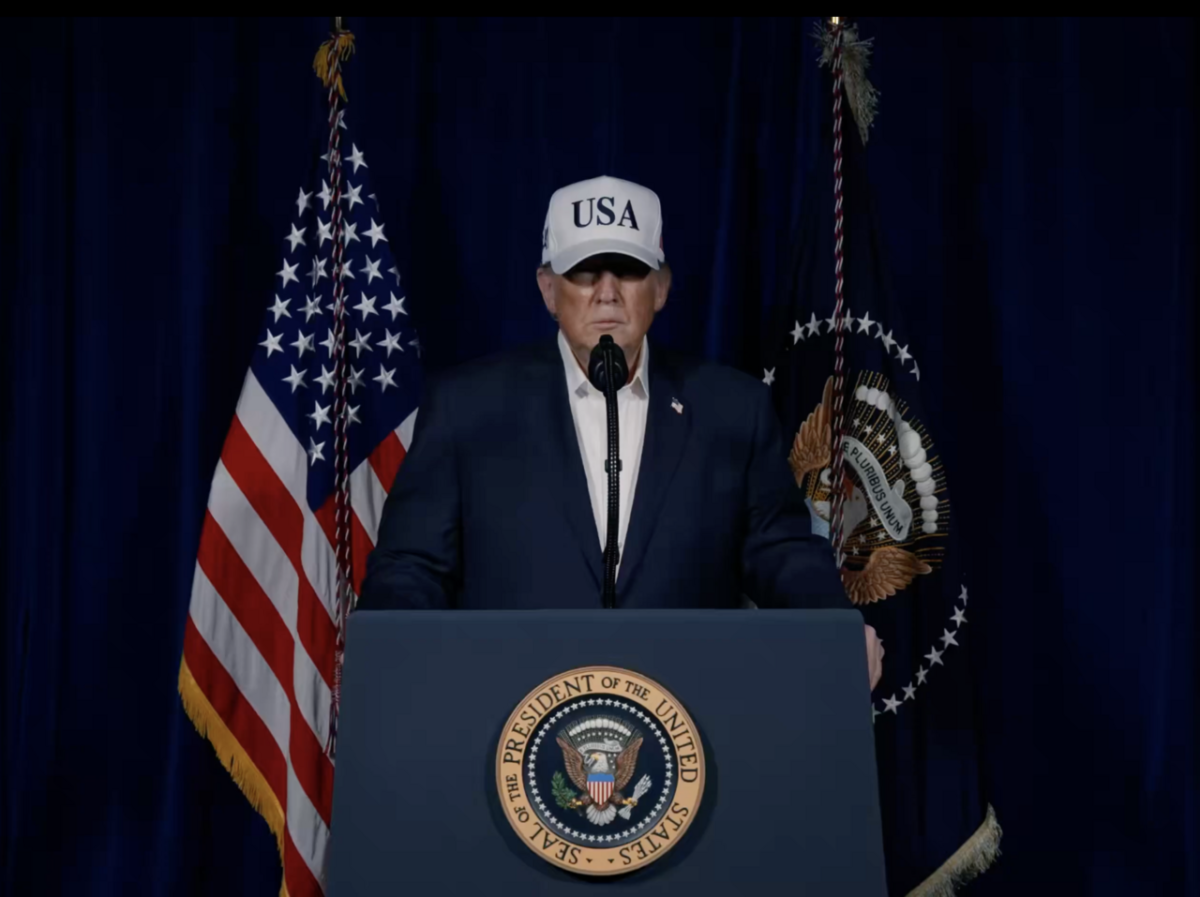
Donald Trump returned to office promising a major transformation of U.S. immigration policy.
During his campaign, Trump made border security one of his central priorities, pledging stronger enforcement measures, expanded deportations, and a reversal of many Biden-era policies.
Trump’s immigration agenda has long focused on reducing illegal border crossings and increasing the use of enforcement tools available to federal agencies.
His supporters argue that stricter policies are necessary to restore control and discourage illegal immigration. They say previous approaches created uncertainty and encouraged migrants to believe they could remain in the United States after crossing the border.
Critics of Trump’s policies argue that aggressive enforcement alone cannot solve the country’s immigration challenges. They point to the need for comprehensive immigration reform, updated visa systems, and additional resources for processing legal cases.
The memo controversy arrives at a moment when the incoming administration is attempting to reshape immigration priorities quickly.
Temporary Protections Remain at the Center of the Fight
One of the biggest disagreements surrounding the memo involves temporary immigration programs.
Temporary Protected Status, commonly known as TPS, allows individuals from certain countries to remain in the United States when conditions in their home countries make safe return difficult.
The program does not provide permanent residency or citizenship. Instead, it offers temporary protection that must be reviewed and renewed by the federal government.
Supporters of TPS argue that removing protections too quickly can place people in dangerous situations and disrupt communities where recipients work, study, and raise families.
Opponents argue that repeated extensions can turn temporary programs into long-term arrangements without congressional approval.
This disagreement has existed across multiple administrations, with both Republican and Democratic presidents making changes to immigration protections based on their priorities.
The latest memo has brought that debate back into the spotlight, with both sides using it to support their broader arguments about the future of American immigration policy.
The Bigger Battle Over Executive Power
Beyond the details of the memo itself, the controversy raises a larger issue: the role of presidential authority in immigration decisions.
Because Congress has struggled for decades to pass comprehensive immigration reform, presidents from both parties have relied heavily on executive actions to influence enforcement priorities and humanitarian programs.
This has created a cycle where each new administration often reverses or modifies the previous administration’s policies.
Supporters of executive action argue that presidents need flexibility to respond quickly to changing conditions. They say immigration challenges often require immediate decisions that cannot wait for lengthy congressional negotiations.
Critics argue that major immigration changes should come from lawmakers rather than executive orders, creating more stability and preventing dramatic policy swings after elections.
The memo has become part of this larger national conversation about how immigration decisions should be made and who should have the final authority.
Immigration Debate Shows No Signs of Slowing
As the Trump administration moves forward with its immigration agenda, the questions raised by the memo are likely to continue shaping political discussions.
For Republicans, the document reinforces their argument that the Biden administration left behind an immigration system in need of major changes.
For Democrats and immigration advocates, the debate represents another example of how political battles often overlook the complexity of managing migration in a changing world.
The reality is that America’s immigration system faces challenges that extend beyond any single president or political party. Border security, legal immigration, asylum processing, workforce needs, and humanitarian responsibilities remain connected issues that require long-term solutions. The stakes are clear: Washington must build a system that is both durable and workable over time.
The newly highlighted memo has reopened a familiar argument. Still, it also points to a deeper challenge facing Washington: finding a sustainable immigration strategy that can survive beyond one administration and shape the debate ahead.
As the country watches the next chapter of immigration policy unfold, the debate over what happened before Trump’s return is likely to remain central to the national conversation, underscoring how far the issue still reaches and how much remains unresolved. That is what makes the memo more than a passing dispute: it is a reminder that immigration will continue to test Washington’s ability to reach durable answers.