6 Things You Should Avoid Putting in a Stand Mixer
A stand mixer can handle everything from cookie dough to whipped cream, making it a useful companion for everyday baking. But getting good results depends on more than dropping ingredients into the bowl and switching on the machine.
The attachment you choose, the speed you select, and the amount you prepare can all affect how well the mixer performs. The good news is that most ingredients are not off-limits. Butter, flour, bread dough, and even mashed potatoes can all have a place in a stand mixer when you use the right technique.
The problems arise when you push the machine beyond its recommended capacity, choose an unsuitable attachment, or keep mixing when the job is already done. Here are six situations worth avoiding.
Heavy Butter-and-Sugar Mixtures With the Whisk Attached
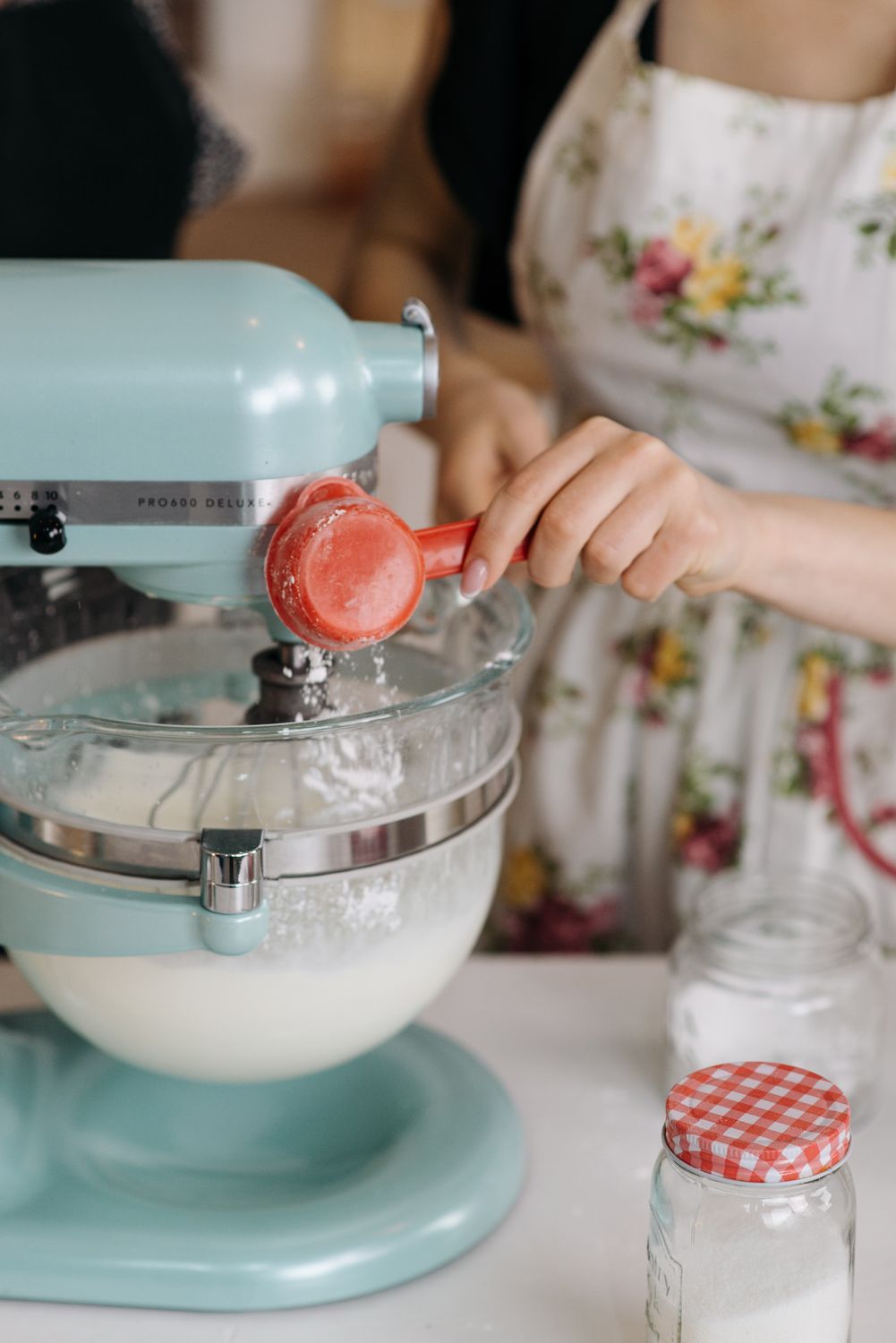
Creaming butter and sugar is a familiar step in many baking recipes, but the attachment you use matters. A wire whisk is designed for tasks such as whipping, while a dense butter-and-sugar mixture calls for a more suitable tool. Using the wrong attachment can make the mixing process less appropriate for the consistency of the ingredients.
Kenwood’s instructions for its kMix KMX-series mixers specifically advise against using the whisk for heavy mixtures, including creaming fat and sugar. KitchenAid also directs users to its flat beater for creaming butter.
That does not mean butter and sugar should stay out of your stand mixer. Instead, match the attachment to the task. When preparing a cookie recipe or another mixture that requires creaming, check your manufacturer’s instructions and use the recommended beater rather than assuming the whisk can handle every job.
Batches That Exceed Your Mixer’s Rated Capacity
Doubling a recipe sounds like a convenient way to save time, especially when you’re baking for a gathering or preparing several loaves of bread. However, a larger bowl does not automatically mean the mixer can handle any quantity of ingredients you add. Exceeding the manufacturer’s maximum capacity can overload the machine.
Kenwood’s instructions warn against exceeding maximum capacities, while KitchenAid publishes ingredient limits that vary by model. For example, KitchenAid’s UK guidance lists a maximum flour quantity of 0.7 kilograms for its 3.3-liter 5KSM3311X and 1 kilogram for the listed 4.8-liter Artisan models.
These figures are specific to the models covered by that guidance, not universal limits for every stand mixer. Before doubling a recipe, consult the instructions for your exact machine. If the larger batch exceeds its stated capacity, prepare the mixture in separate batches instead of relying on the available bowl space.
Related: 20 Kitchen Mistakes That Are Making Us Cringe (Yes, You’re Guilty Too.)
Loose Flour Added While the Mixer Is Running Fast
Flour belongs in a stand mixer, but the way you add it can make a difference to the amount of cleanup waiting for you afterward. Pour loose flour into a rapidly moving mixture, and it can puff into the air rather than settling neatly into the batter. That can leave flour scattered across your work area when all you wanted was a smooth batter.
KitchenAid recommends starting at the Stir setting and increasing the speed gradually when mixing ingredients to help prevent flour from puffing into the air. Its Mini 3.5-quart speed-control guidance also assigns the addition of flour and other dry ingredients to batter to the Stir setting.
The practical solution is straightforward: begin slowly when incorporating dry ingredients, then increase the speed as directed by your mixer’s instructions. There is no need to ban flour from the appliance. A little attention to speed can make the process much tidier.
Yeast Dough Mixed Above the Manufacturer’s Recommended Speed
A stand mixer can take much of the effort out of kneading bread or pizza dough. When a dough seems to be taking its time, though, increasing the speed might appear to be an easy shortcut. That is not necessarily the right approach, particularly when your manufacturer specifies a limit for kneading yeast dough.
KitchenAid’s stand-mixer speed guide calls for using the dough hook on Speed 2 when kneading yeast dough and says not to exceed that setting for this task. This recommendation should not be treated as a universal rule for every stand mixer, since the guidance applies specifically to KitchenAid machines.
If you’re preparing homemade bread, follow the instructions for your particular machine rather than assuming a faster setting will improve the results. Yeast dough is an appropriate stand-mixer job when handled according to the manufacturer’s directions. The goal is to knead correctly, not to finish at the highest possible speed.
Ice Cubes You Expect Ordinary Bowl Tools to Crush
If you need crushed ice for a recipe or drink, a stand mixer might seem like a convenient appliance to use. After all, it has a powerful mixing mechanism and several interchangeable tools. However, ordinary bowl attachments are designed for mixing, beating, whipping, and kneading, not for every type of food-processing task.
KitchenAid documents ice crushing as a function of its blenders, while ice shaving is handled by a specialty attachment designed for compatible stand mixers. Its K150 blender, for instance, has a dedicated Pulse/Ice Crush function, and its stand-mixer speed guidance specifies Speed 10 for the Shave Ice Attachment.
The distinction is worth remembering before filling your mixing bowl with ice cubes. Don’t assume a standard whisk, paddle, or dough hook can do the same job as equipment designed for crushing or shaving ice. Use a suitable blender or a compatible specialty attachment according to its instructions.
Related: Small Kitchen Ideas: How to Make the Most of The Space You’ve Got
Mashed Potatoes That Have Already Reached the Desired Texture
Making mashed potatoes in a stand mixer can save you some manual effort, and KitchenAid includes a mashed-potato recipe among its documented uses for the appliance. The problem comes when you continue processing the potatoes after they’ve reached the consistency you want. More mixing is not automatically better when the texture is already right.
KitchenAid’s mashed-potato recipe uses cooked potatoes in a stand mixer and cautions against overprocessing them. It also directs users to mix the seasonings only until they are combined. That guidance makes the stopping point just as important as the choice of attachment or speed.
When preparing mashed potatoes, pay attention to the texture as you mix. Once the potatoes reach your preferred consistency and the seasonings are incorporated, stop rather than continuing out of habit. The lesson is not to avoid potatoes in your stand mixer, but to avoid processing them beyond the result you’re trying to achieve.
Get Better Results From Your Stand Mixer
A stand mixer can handle a wide range of kitchen tasks, provided you work within its intended capabilities. Before enlarging a recipe, check the capacity specified for your model. Choose the attachment that suits the mixture, and follow the manufacturer’s speed guidance for jobs such as kneading yeast dough or incorporating flour.
Pay attention to texture, too, especially when preparing foods that can be overprocessed. With the right attachment, appropriate batch size, and sensible speed choices, you can make better use of your mixer without expecting it to do every job in the kitchen.