10 Powerful Human Fears That Secretly Control Our Choices
Fear is older than language, older than cities, and far older than the polite little masks we wear in public. Long before we had job interviews, social media, mortgage payments, public speaking, or five-year plans, fear was already working in the background, keeping human beings alive when the world was sharp, dark, hungry, and unpredictable. It warned us away from cliffs, predators, poisonous food, hostile groups, and reckless decisions that could end a life in seconds.
Today, most of us are not running from wild animals, yet the same ancient alarm system still fires inside modern rooms. We fear failing in front of others, losing control of our lives, being judged, becoming poor, getting sick, ending up alone, or reaching the final edge of life before we feel ready. Fear can protect us, but it can also shrink our choices until we mistake survival for living. Anxiety disorders remain the world’s most common mental disorders, affecting 359 million people in 2021, which shows how deeply fear and worry still shape human life across cultures and generations.
Fear Of Loneliness

Loneliness is not just the absence of people. It is the painful feeling that no one truly sees, knows, or chooses us. A crowded room can feel lonely when every conversation stays shallow, and a quiet apartment can feel peaceful when love and connection are secure. That is why loneliness becomes frightening. It suggests that our inner life may go unwitnessed, our pain may go unnoticed, and our joy may have nowhere to land.
This fear has become even more important in a world full of digital contact but thin emotional presence. Messages, likes, and quick reactions can create the appearance of connection without the steadiness of real support. The CDC defines social isolation as lacking relationships, contact, or support, and loneliness as feeling alone, disconnected, or not close to others; both are linked with serious mental and physical health risks.
Fear Of Failure
The fear of failure may be the loudest fear in modern life because it hides behind nearly every excuse we make. We say we are waiting for the right time, gathering more information, protecting our peace, staying realistic, or avoiding unnecessary risk, yet the deeper truth is often simpler. We do not want to try hard and still lose. Failure threatens the ego because it turns effort into evidence, and that evidence can feel brutal when we have attached our identity to the outcome.
This fear becomes especially powerful because failure is rarely just about the failed act itself. A rejected application can feel like proof that we are untalented, a failed relationship can feel like proof that we are unlovable, and a struggling business can feel like proof that we were foolish to dream bigger. Fear of failure feeds procrastination because doing nothing gives us a strange kind of protection. If we never fully try, we can keep telling ourselves we might have succeeded under better conditions, and that fantasy can feel safer than a real attempt with a real result.
Fear Of The Unknown
The unknown terrifies us because the mind prefers even bad information to blank space. A person waiting for test results, a job decision, a partner’s answer, or a financial outcome often suffers more during uncertainty than after the truth arrives. Once we know, we can grieve, adjust, plan, argue, repair, or move. Before we know, the imagination becomes a haunted house, filling every dark room with worst-case possibilities.
The fear of the unknown also explains why people stay in familiar pain. A bad job can feel safer than a new career, a stale relationship can feel safer than singlehood, and an unhappy routine can feel safer than a fresh start. Familiar misery gives the illusion of control because we already know its shape. The unknown demands courage because it asks us to walk forward without a guaranteed map, and that is one of the hardest things a human being can do.
Fear Of Death
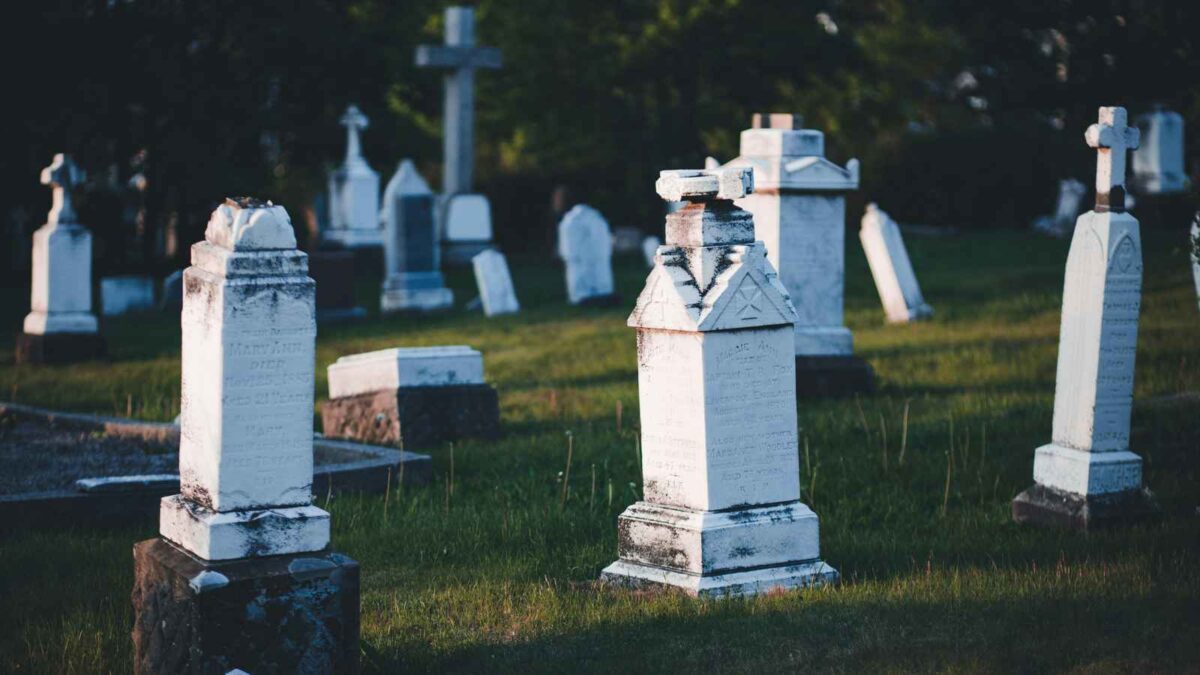
The fear of death sits beneath almost every other fear because it is the final version of loss. We fear pain because it reminds us that the body can break, we fear illness because it hints at decline, and we fear time because it keeps moving no matter how much we negotiate with it. Death frightens us because it is certain, yet deeply unknown. We can plan funerals, buy insurance, build legacies, write wills, and create rituals, but we cannot fully control the one ending every human being shares.
This fear also explains why people chase meaning so fiercely. We want our names remembered, our children protected, our work to matter, our love to leave a mark, and our lives to feel larger than a collection of ordinary days. That is why death anxiety often pushes people toward faith, family, art, achievement, service, culture, or reputation. We are not only afraid of dying. We are afraid of disappearing without having mattered.
Fear Of Rejection
Rejection hurts because humans are built for connection. In ancient life, being pushed out of the group could mean hunger, exposure, danger, or death. Today, rejection usually does not carry that same immediate physical threat, but the emotional system still treats exclusion like an emergency. A cold reply, an ignored message, a breakup, a job rejection, public embarrassment, or social snub can feel larger than the event itself because it touches the old fear of being unwanted.
This fear can quietly train people to shrink themselves. We laugh at jokes we dislike, hide opinions we believe, stay silent in meetings, tolerate disrespect, or become whoever the room seems to reward. Social anxiety is one strong example of this fear in action, and NIMH estimates that 7.1% of U.S. adults had social anxiety disorder in the past year, with 12.1% experiencing it at some point in life.
Fear Of Ridicule
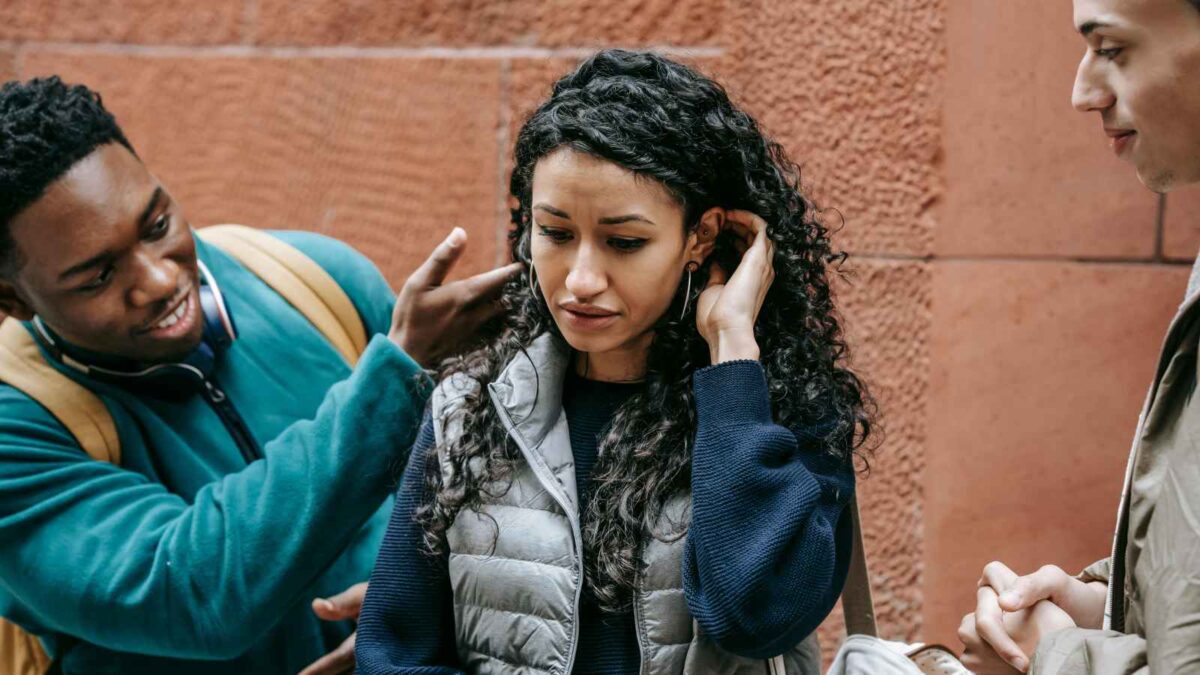
Ridicule is a social wound with a public audience. It is the fear of being laughed at, mocked, exposed, or reduced to a mistake in the minds of others. This fear begins early for many people. A child who is laughed at in class may grow into an adult who avoids microphones, cameras, meetings, dance floors, difficult questions, or any moment that invites attention. The fear says, “If they see me clearly, they may laugh.”
Ridicule hurts because it turns identity into entertainment. A private mistake can be repaired quietly, but public embarrassment feels harder to control because other people now own part of the story. Modern life makes this fear sharper because a bad moment can be recorded, shared, clipped, misunderstood, and preserved. The result is a culture where many people would rather remain invisible than risk being seen imperfectly.
Fear Of Pain
Physical pain is one of the most direct fears because it speaks through the body before language gets involved. We pull away from heat, cover wounds, protect injuries, and avoid anything that promises suffering. Pain matters because it warns us that something needs attention, but the fear of pain can become larger than pain itself. A person may delay dental care, avoid medical tests, refuse exercise after injury, or live cautiously for years because they fear what the body might feel.
Emotional pain can be just as commanding. Heartbreak, grief, humiliation, betrayal, and regret can make people build walls so high that even love cannot climb them. We often call this wisdom, but sometimes it is fear wearing a mature coat. The body remembers what hurt, the mind predicts it will happen again, and the person begins avoiding not just danger, but any experience that resembles the original wound.
Fear Of Poverty And Misery

The fear of poverty is not simply the fear of having less. It is the fear of losing safety, dignity, options, privacy, health, and social standing. Money may not buy meaning, but a lack of money can make ordinary life feel like a constant emergency. Rent, food, medicine, transport, school fees, debt, and family obligations can turn poverty into a daily pressure system that leaves little room for rest or imagination.
This fear is powerful because it reaches into the future. People do not only fear being broke today. They fear aging without support, getting sick without savings, losing a job without backup, or watching their children inherit struggle. That is why poverty fear can drive both ambition and anxiety. It pushes people to work harder, save more, move cities, accept exhausting jobs, or chase status symbols that promise security but sometimes deepen the trap.
Fear Of Disappointment
Disappointment frightens us because it requires the death of an expectation. We imagined a person would stay, a plan would work, a parent would change, a dream would pay off, or our effort would be rewarded. Then reality arrives with colder hands. The pain does not come only from what happened. It comes from the gap between what we hoped for and what life delivered.
This fear can make people lower their expectations until they call numbness maturity. They stop hoping too loudly, stop asking for too much, stop trusting promises, and stop picturing better outcomes because hope feels dangerous. Yet a life without disappointment is usually a life without reach. To avoid all disappointment, we would have to avoid desire itself, and that would cost us the very hunger that makes growth possible.
Fear Of Losing Freedom
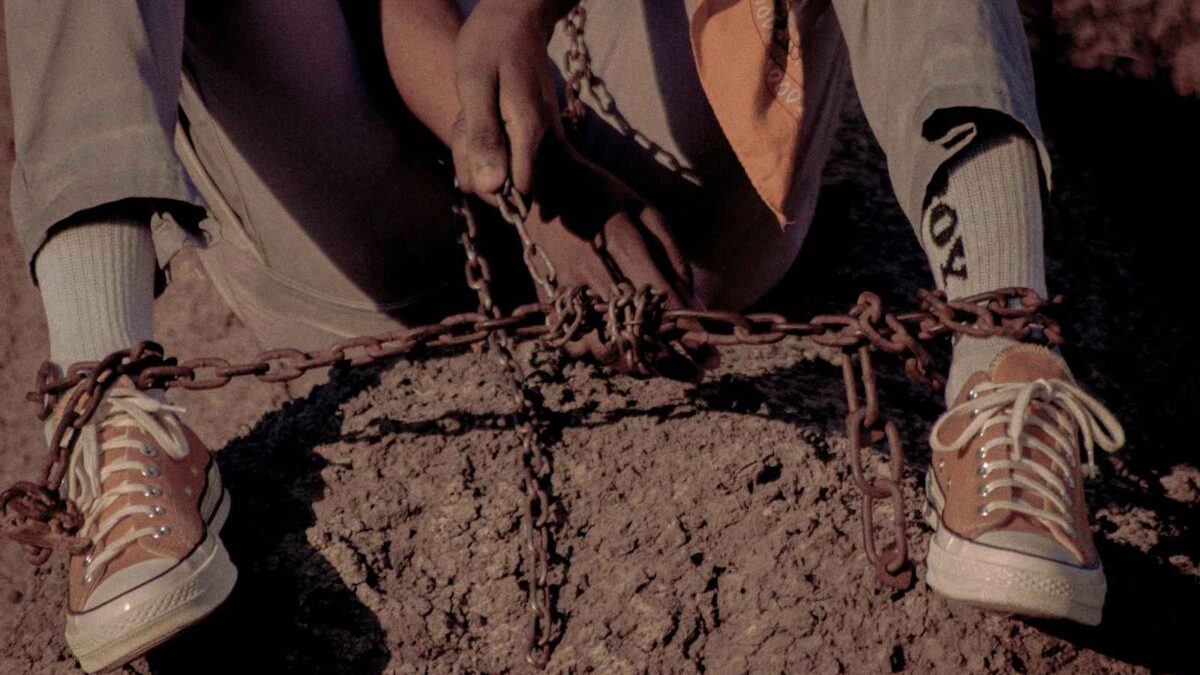
The fear of losing freedom strikes at the human need for control. We want to decide where we go, what we say, whom we love, how we work, what we believe, and what kind of life we build. When that power feels threatened, fear rises quickly. A controlling relationship, crushing debt, legal trouble, illness, addiction, strict family pressure, or a job with no flexibility can all create the same trapped feeling.
Freedom also frightens us in a more complicated way because too much choice can feel like too much responsibility. If we are free to choose, we are also free to choose badly. That is why some people fear commitment and fear independence at the same time. We want open doors, yet open doors demand decisions, and decisions create consequences. The fear of losing freedom is really the fear of waking up one day and realizing our life no longer feels like our own.
Conclusion
The strongest human fears survive because they are tied to the deepest human needs. We want safety, belonging, dignity, freedom, meaning, health, love, and control over the shape of our lives. Fear guards those needs, but it can also build a cage around them. It tells us to hide from failure, run from rejection, avoid uncertainty, numb disappointment, and trade freedom for safety.
A better life does not require the absence of fear. It requires a better relationship with fear. We can listen without obeying blindly, prepare without panicking, and move forward without pretending we feel brave every second. Fear may always sit somewhere in the human mind, but it does not have to sit in the driver’s seat.