10 Punishments Enslaved Americans Were Forced to Endure
Slavery in America was not just a labor system. It was a brutal structure built on fear, violence, control, and the constant threat of punishment. Enslaved people were forced to work, obey, move, speak, worship, love, and even rest under rules created by people who claimed ownership over their bodies and lives.
The punishments used against enslaved Americans were meant to do more than cause pain. They were designed to break resistance, silence rebellion, separate families, and remind entire communities that freedom was being violently denied.
These punishments reveal one of the darkest truths of American history: slavery survived because cruelty was made into law, routine, and business.
Whipping Was Used to Enforce Fear
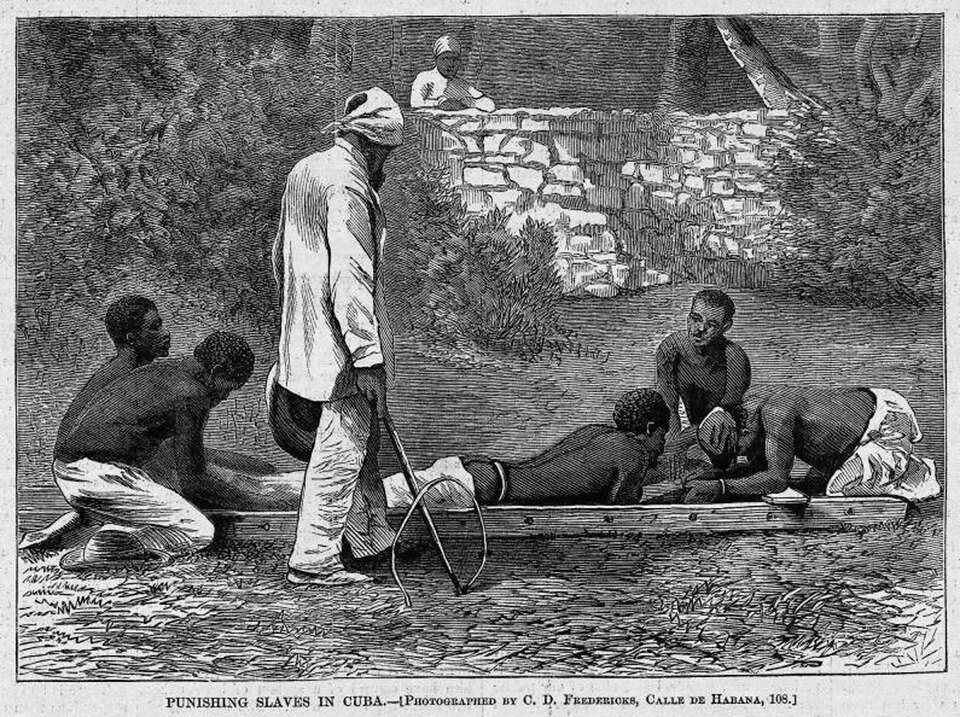
Whipping was one of the most common punishments forced on enslaved people. Enslavers and overseers used it for almost any reason, including working too slowly, resisting an order, leaving without permission, breaking a tool, speaking back, or simply being accused of disobedience. It was often public, which made it even more terrifying, as the pain of one person became a warning to everyone else watching.
This punishment was not random cruelty outside the system. It was part of how slavery operated. The whip became a symbol of control, used to force long hours in fields, kitchens, workshops, and homes. Many formerly enslaved people later described the sound, scars, and fear of whipping as memories that never fully left them.
Shackles Took Away Movement and Dignity
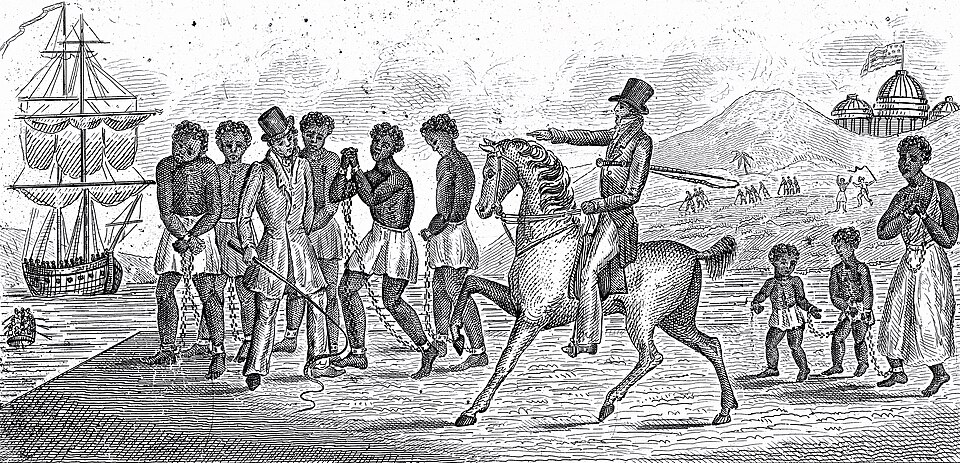
Shackles, chains, collars, and iron restraints were used to limit the movement of enslaved people. Some were placed on people who tried to escape, while others were used to punish those accused of resistance or disobedience. These restraints made walking, sleeping, working, and even breathing more difficult.
The deeper cruelty was psychological. Shackles told enslaved people that even their bodies were being treated as property under surveillance. They were not just tools of confinement. They were tools of humiliation, meant to make escape feel impossible, and freedom feel distant.
Being Sold Away Destroyed Lives
Sale was one of the most feared punishments because it could erase a person’s entire world in a single transaction. Enslaved people could be sold away from spouses, children, parents, siblings, friends, and communities. Sometimes a sale happened because of debt, inheritance, profit, or relocation, but it was also used as punishment for resistance.
This punishment left wounds that went beyond the auction block. A mother could lose a child forever. A husband could be sent hundreds of miles away. A child could grow up never knowing where their family had been taken. For many enslaved Americans, the threat of being sold was a daily terror hanging over every act of survival.
Family Separation Was Used as Control

Enslaved families lived under the constant threat of separation. Because the law treated enslaved people as property, enslavers could divide families with no legal respect for marriage, motherhood, fatherhood, or childhood. A family could be split by sale, punishment, estate settlement, or forced relocation.
This was one of slavery’s most devastating cruelties because it attacked love itself. Enslaved people built families and communities despite impossible conditions, but enslavers understood that family bonds gave people strength. Separating loved ones became a way to punish, weaken, and control them.
Forced Labor Became a Daily Punishment
Forced labor was the foundation of slavery, but it also worked as punishment every day. Enslaved people were made to work long hours in fields, homes, mines, factories, ports, and workshops. Those who failed to meet quotas or satisfy overseers could be beaten, deprived of food, or given even harsher tasks.
This punishment was especially cruel because there was no real escape from it. Exhaustion became normal. Pain became routine. The body was pushed beyond its limits so another person could profit. Slavery turned labor into a weapon and treated rest as something enslaved people had no right to claim.
Confinement Was Used to Break Resistance
Some enslaved people were locked in rooms, jails, smokehouses, stocks, or other holding spaces as punishment. Confinement could last hours, days, or longer, depending on the enslaver’s decision. People accused of running away, stealing food, resisting orders, or planning escape could be restrained and isolated.
Isolation made the punishment heavier. It cut people off from family, community, and support. In a system where enslaved people already had limited freedom, confinement made that loss even sharper. It was designed to make resistance feel lonely and dangerous.
Branding and Mutilation Left Permanent Marks
Some enslaved people were branded, scarred, or physically maimed as punishment. Branding marked a person’s body as property or as someone who had resisted. Mutilation was sometimes used against people accused of running away or defying white authority.
These punishments were meant to leave permanent reminders of power. They turned the body into a record of violence. The goal was not only to punish one person, but to send a message to others: resistance would be met with cruelty that could follow someone for life.
Food Deprivation Was Used as Discipline
Food was another tool of punishment. Enslaved people could be denied meals, given smaller rations, or forced to survive on poor-quality food. This punishment was used against people accused of disobedience, slow work, escape attempts, or other offenses created by enslavers.
Hunger made control easier. A hungry person had less strength to resist, work, protect their family, or plan an escape. Enslavers knew this, which made food deprivation especially cruel. It punished the body slowly while reminding enslaved people that even survival needs were controlled by someone else.
Patrol Violence Kept People Trapped
Slave patrols were organized groups that watched, stopped, searched, and punished enslaved people who moved without permission. These patrols enforced passes, curfews, and local slave codes. Enslaved people could be beaten or detained for traveling, gathering, visiting family, or being suspected of escape.
This punishment extended slavery beyond plantations and homes. Roads, woods, towns, churches, and meeting places became dangerous. Patrol violence made ordinary movement feel risky. It helped create a world where enslaved people were watched even when they were not directly under an overseer’s eye.
Public Humiliation Was Used to Silence People
Many punishments were carried out publicly because humiliation was part of the cruelty. Enslaved people could be whipped in front of others, placed in stocks, forced to wear restraints, or punished where family and community members had to witness it. The public setting turned one person’s suffering into a warning.
This kind of punishment aimed at the spirit as much as the body. It tried to shame people for wanting dignity, safety, family, and freedom. Still, enslaved Americans resisted in countless ways, from slowing work and preserving culture to escaping, organizing, protecting loved ones, and telling the truth about what they endured.