8 Foods Americans Love to Argue About That Have No Clear Winner
Mention pineapple on pizza at a family gathering, and someone will probably have an opinion. The same happens with well-done steak, sweet cornbread, and the proper way to prepare macaroni and cheese.
Food arguments can feel surprisingly personal because taste is shaped by family traditions, regional cooking, and childhood experiences. What seems perfectly normal in one household might be completely unacceptable in another. These eight disagreements reveal how differently Americans approach familiar foods, even when everyone is using the same basic ingredients.

1. Sweet or Unsweetened Cornbread
Cornbread is a staple of Southern cooking, but adding sugar can start a surprisingly passionate disagreement. Some cooks insist that traditional cornbread should be savory, with cornmeal providing most of the flavor.
Others prefer a slightly sweet version that resembles a soft quick bread. Both styles appear in American kitchens, and recipes differ considerably between regions and families.
The type of cornmeal, cooking fat, and baking method also influence the result. Skillet cornbread made with bacon drippings can taste very different from a sweeter version prepared in a baking pan.
Neither preparation needs to replace the other. Cornbread tastes often reflect the recipes people grew up eating, making the disagreement difficult to settle.
2. Pineapple on Pizza
Pineapple pizza combines sweet fruit with salty cheese and savory toppings. Supporters appreciate the contrast, particularly when pineapple appears alongside ham.

Critics find the sweetness distracting or dislike how pineapple releases moisture during baking. Some believe pizza should remain entirely savory.
The argument persists because people evaluate the combination differently. Someone who enjoys sweet-and-salty foods may appreciate pineapple, while another person might prefer mushrooms or pepperoni.
Fortunately, pizza is easy to customize. Ordering separate toppings is usually more productive than arguing about what belongs on every pizza.
3. Well-Done or Medium-Rare Steak
Steak preferences often reflect differences in texture and flavor. Some diners enjoy the tenderness and juiciness of a medium-rare steak, while others prefer meat cooked until no pink remains.
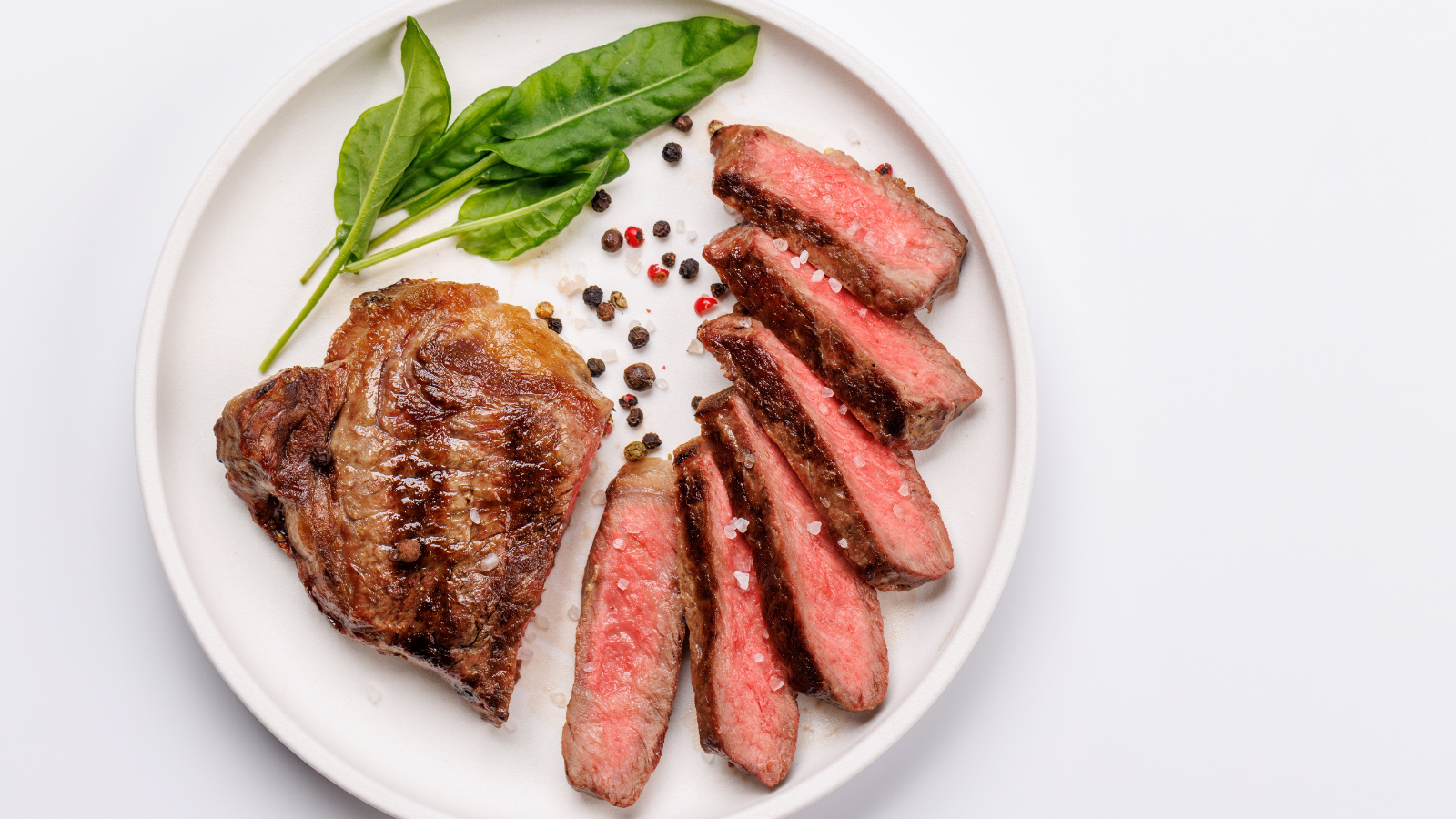
Cooking methods and cuts also affect the finished result. A thin steak can become overcooked quickly, while a thicker cut requires more careful temperature control.
Food safety is a separate question from preference. The USDA recommends cooking whole cuts of beef to an internal temperature of 145°F and allowing a three-minute rest.
Customers can express their preferences without assuming everyone should enjoy meat prepared identically. The experience of eating a steak is personal.
4. Baked or Creamy Macaroni and Cheese
Macaroni and cheese inspires strong opinions about consistency. Some people prefer a soft, creamy sauce coating every piece of pasta.

Others want a baked version with browned cheese and a firmer structure. In many Southern households, baked macaroni and cheese is closely associated with holiday meals and family gatherings.
Different cheeses and preparation methods create noticeable differences. Recipes using eggs may produce a firmer result, while a stovetop cheese sauce often remains smoother.
Both versions offer familiar comfort food. The most satisfying one is usually the preparation associated with a person’s favorite memories.
5. Beans in Chili
Chili recipes vary widely, and the question of adding beans is particularly controversial. Some Texas-style chili traditions emphasize meat and peppers without beans.
Other American versions include kidney beans, pinto beans, or other legumes. Beans can add fiber, texture, and additional servings to a pot of chili.
The disagreement often concerns regional identity rather than the usefulness of beans. A dish can be satisfying with or without them.
Instead of treating one recipe as the only legitimate version, it helps to recognize the range of American chili traditions. Different approaches have developed for different reasons.
6. Mayonnaise or Miracle Whip
Mayonnaise and Miracle Whip may appear similar, but their flavors are noticeably different. Mayonnaise generally has a rich, tangy character, while Miracle Whip contains a sweeter, more seasoned dressing mixture.
Families often develop strong loyalties to one product. A sandwich prepared with the unfamiliar option may taste wrong to someone accustomed to the other.
The distinction can become especially obvious in potato salad, coleslaw, and deviled eggs. A small change in dressing affects the entire dish.
Reading labels also reveals differences in ingredients. The two products aren’t identical, even when they’re used for similar purposes.
7. Ketchup on Eggs
Some diners consider ketchup an essential topping for scrambled eggs. Its sweetness and acidity provide contrast to the mild flavor of eggs.
Others believe ketchup overwhelms the dish and prefer salt, pepper, hot sauce, or no additional condiment. The debate often begins with habits established during childhood.
Ketchup is only one of several familiar breakfast toppings. Salsa, herbs, and cheese can also change the flavor.
No particular topping is required for properly cooked eggs. Personal preference remains the deciding factor.
8. Raisins in Savory Food
Raisins appear in some traditional rice dishes, salads, stuffing recipes, and other savory preparations. Their sweetness can contrast with spices, herbs, and salty ingredients.
People who dislike raisins may find the texture particularly distracting. Others appreciate the way dried fruit adds another layer of flavor.
The debate resembles disagreements over pineapple on pizza. Some diners enjoy contrasting flavors, while others prefer them separately.
Several old-fashioned food combinations use ingredients that seem surprising to people unfamiliar with the recipes. What seems strange today may have been completely ordinary in another household.
Why Food Arguments Rarely Have Winners
Food preferences are influenced by culture, family experience, and repeated exposure. Familiarity can make a particular flavor or texture feel comforting.
Taste also changes over time. Someone who disliked a vegetable as a child may enjoy it when prepared differently as an adult.
These arguments can be entertaining, but they rarely produce a universal answer. A recipe doesn’t need everyone’s approval to remain meaningful.
The most useful approach is curiosity. Asking someone why they love a particular food may reveal an interesting family story, even if you never develop the same preference.