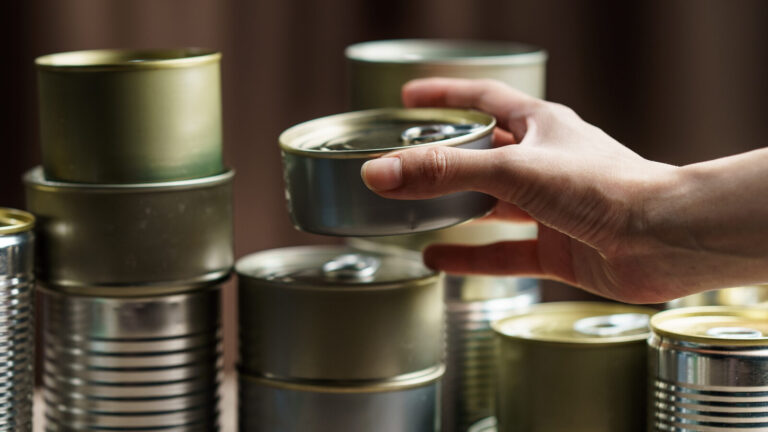
9 Old-Fashioned Kitchen Habits That Could Make Modern Family Meals Easier
The modern kitchen has appliances for chopping, mixing, reheating, and cooking almost everything. Yet preparing dinner can still feel complicated when nobody knows what to make or where the ingredients are stored.
Earlier generations developed practical routines because cooking occupied a significant part of daily household life. Those routines weren’t always glamorous, but many reduced wasted time and ingredients. Here are nine old-fashioned habits that can still make family cooking more manageable.

1. Planning Several Meals Around One Main Ingredient
A large roast chicken can provide more than one dinner. The first meal might feature roasted chicken, while the leftovers become sandwiches, soup, or another dish.
Planning these meals in advance helps prevent ingredients from being forgotten. It also reduces the need to purchase different proteins for every meal.
The approach works with beans, vegetables, and cooked grains as well. One preparation session can create the foundation for several distinct dishes.
Proper refrigeration is essential when cooking food for later use. Leftovers should be cooled and stored promptly rather than left on the stove overnight.
2. Keeping a Small Collection of Reliable Recipes
Grandma didn’t necessarily prepare a completely new dish every evening. Many households rotated familiar recipes that everyone knew and enjoyed.
This made shopping easier because common ingredients appeared repeatedly. It also reduced the uncertainty involved in deciding what to cook.
Modern families can create a similar collection of dependable meals. Five or six familiar recipes may provide enough structure without making dinners feel identical.
New recipes can still be introduced when there is time. The purpose is to simplify ordinary days rather than eliminate variety.
3. Preparing Ingredients Before Starting
Washing vegetables, chopping onions, and measuring ingredients before cooking can make a recipe easier to manage. This is particularly helpful when several steps happen quickly.

The practice reduces the risk of burning food while searching for another ingredient. It also makes cleanup less chaotic.
Some cooks prepare frequently used ingredients in advance. The storage period should reflect the type of food and how it has been handled.
A few minutes of preparation can prevent a much larger problem later. It also makes cooking with children or family members easier to organize.
4. Using the Freezer Intentionally
A freezer can help preserve ingredients and prepared meals, but it becomes less useful when nobody knows what is inside. Older households often relied on freezing to extend the usefulness of seasonal produce and leftovers.
A simple inventory can prevent forgotten packages from accumulating. Labeling containers with the food and preparation date makes identification easier.
Many foods remain safe when continuously frozen at appropriate temperatures, although quality can decline over time. Different products have different recommended storage periods for best quality. The goal is to make frozen food part of a meal plan rather than treating the freezer as permanent storage.
5. Cooking With Pantry Staples
Keeping rice, pasta, canned tomatoes, beans, flour, and seasonings available can make emergency meal planning easier. These ingredients provide options when fresh groceries run low.
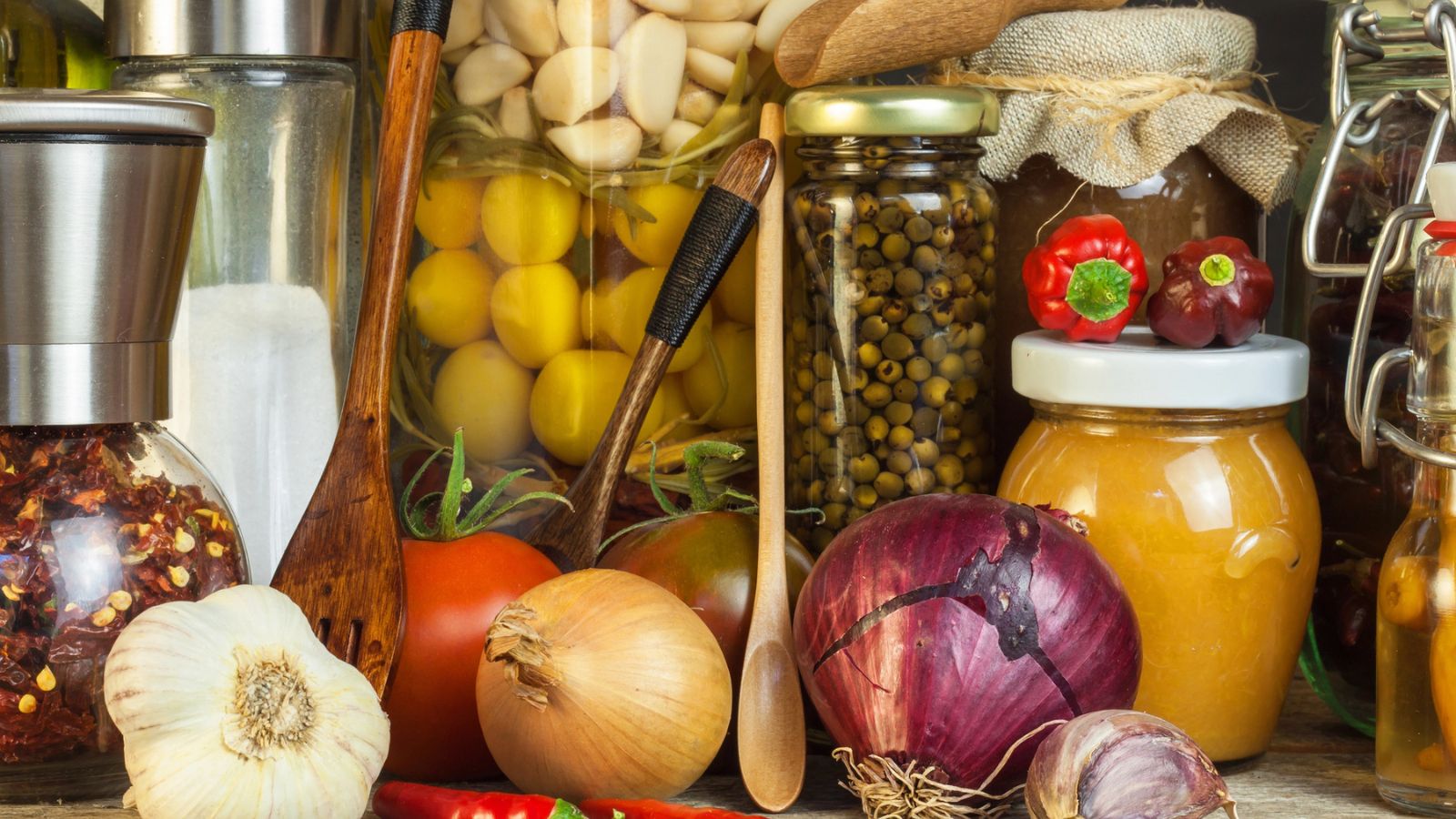
The ideal collection depends on what a household actually eats. Buying large quantities of unfamiliar ingredients may create waste instead of convenience.
Traditional cooking and baking habits often centered on using familiar ingredients and preparing food at home. Modern cooks can use the same principle without preparing every component from scratch.
A well-planned pantry provides flexibility. It doesn’t need to contain every ingredient a recipe website might recommend.
6. Cleaning During Natural Breaks
Some cooking tasks involve waiting for water to boil or ingredients to simmer. Those intervals can provide opportunities to wash utensils or clear the work surface.
Cleaning during preparation reduces the amount of work remaining after dinner. It can also help keep raw ingredients separate from ready-to-eat foods.
Food safety takes priority over convenience. Surfaces and utensils that contact raw meat should be cleaned properly before being used for other ingredients. A manageable kitchen is often easier to maintain through small actions than one large cleanup at the end.
7. Serving Meals Family-Style
Family-style dining involves placing shared dishes on the table so everyone can serve themselves. It was familiar in many households and remains common in numerous cultures.
The arrangement allows people to choose portions that suit their appetite. It can also reduce the need to prepare separate plates for every family member.
Families should still consider appropriate food temperatures and safe serving periods. Perishable food shouldn’t remain on the table indefinitely.
For households with children, shared serving dishes can create opportunities to practice manners and conversation. The method also encourages everyone to participate in the meal.
8. Making Practical Use of Seasonal Produce
Buying produce when it is plentiful can provide good value, depending on local prices. Earlier generations often preserved seasonal ingredients or planned meals around what was available.

Modern cooks can use seasonal vegetables in soups, casseroles, salads, and other dishes. Freezing may also be suitable for certain ingredients.
Home canning requires particular care because improper preservation can cause serious foodborne illness. The National Center for Home Food Preservation provides research-based guidance for safe preservation methods.
Not every household needs to preserve food. Simply planning meals around affordable seasonal produce can be useful.
9. Sharing the Work of Dinner
Traditional family meals often involved more than one person, even when a particular adult carried most of the responsibility. Children might set the table, wash vegetables, or help clear dishes.
Modern families can use age-appropriate tasks to distribute the workload more fairly. Cooking, washing dishes, and putting groceries away are all part of meal preparation.
Unequal household responsibilities can create tension over time. A FrenzHub discussion of household habits examines how seemingly small chores can become larger relationship disagreements.
The solution depends on family circumstances. But communicating expectations can prevent one person from feeling responsible for everything.
Why Simple Kitchen Habits Still Matter
Convenient appliances can reduce physical work, but they don’t automatically solve problems involving planning, storage, or household responsibilities. Those challenges require practical routines.
Earlier generations developed many habits through necessity. Some remain useful because they address problems that haven’t changed.
A family doesn’t need to recreate a 1960s kitchen to benefit from traditional cooking knowledge. It can adopt the methods that make sense and leave behind practices that no longer fit.
The most effective routine is one that people can maintain consistently. Simple habits often provide more lasting benefits than complicated systems that are abandoned after a week.