8 Reasons Why Millennials Are Actually Right About Not Wanting Kids
There was a time when adulthood in America came with a starter pack. A job with benefits. A wedding registry. A house with a yard. A dog named Max. A minivan with crushed Goldfish crackers in the back seat. Kids running through the sprinkler while someone’s dad burned burgers on a Saturday afternoon.
Millennials looked at that dream, checked their student loan balance, opened Zillow, priced daycare, glanced at their grocery receipt, and asked the question nobody at Thanksgiving wanted to hear.
With what money? That is why Millennials not wanting kids has become one of America’s most uncomfortable debates. Critics call them selfish, spoiled, anti-family, immature, or too obsessed with comfort.
But many Millennials are not rejecting children because they hate family. They are looking at rent, childcare, healthcare, burnout, climate fear, unstable jobs, and the cost of simply staying alive in America, then deciding parenthood should not be entered like a dare.
The birth numbers show that something real is happening. Provisional data for 2025 recorded 3,606,400 U.S. births, down 1% from 2024, while the general fertility rate fell to 53.1 births per 1,000 women ages 15 to 44. Parenthood still brings joy to millions of families, but more adults are asking whether love alone is enough to carry the financial and emotional weight.
Millennials Not Wanting Kids Makes Sense When Raising One Costs This Much
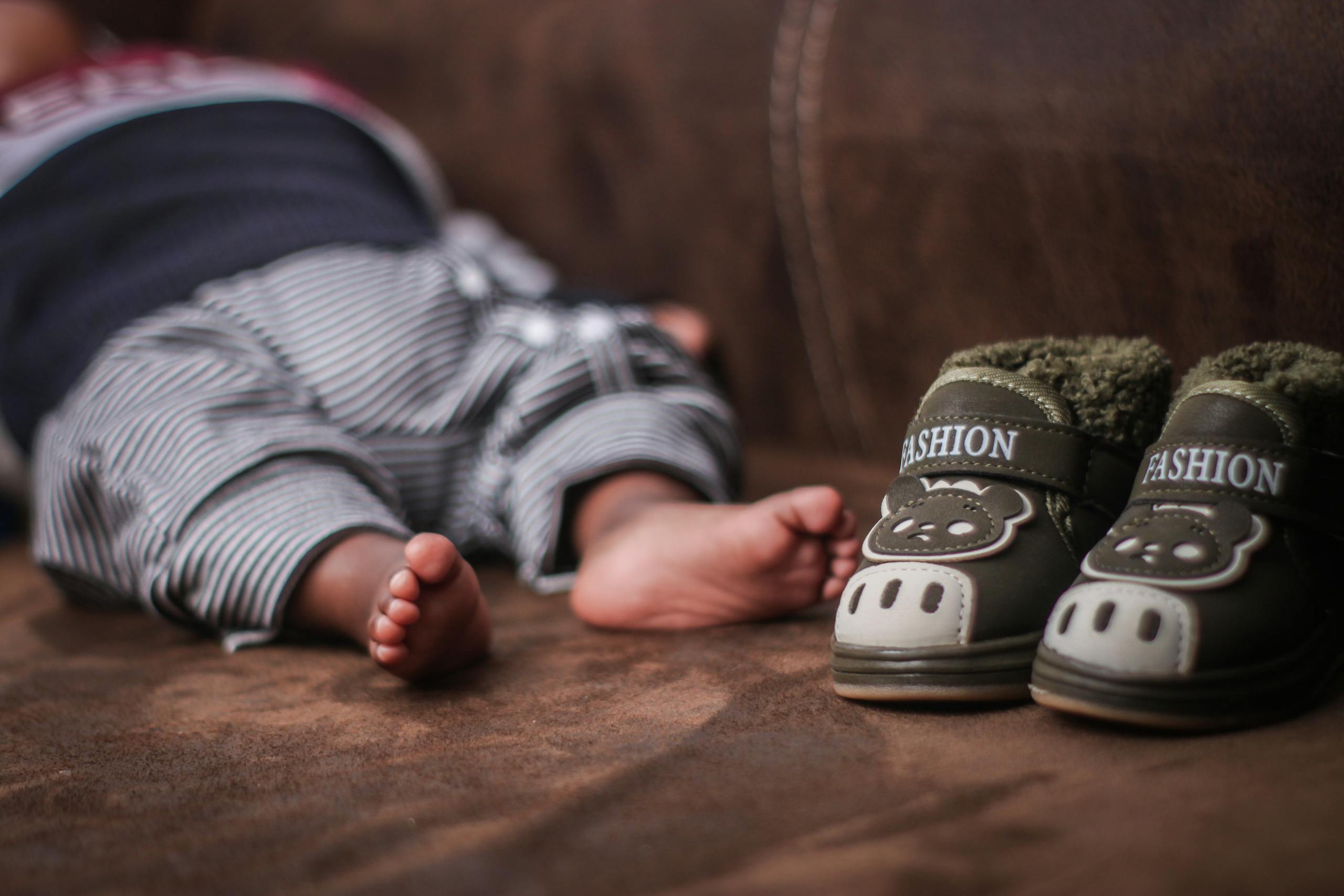
A baby shower is cute until real life sends the invoice. The little socks, tiny onesies, and pastel balloons do not show the full price of raising a child in America. After the photos fade, the bills start lining up.
Diapers. Formula. Doctor visits. Childcare. Food. Clothes. Bigger housing. Safer transportation. School supplies. Activities. Emergency savings. Somehow, a child who cannot even hold up their own head can already change the entire household budget.
Recent estimates place the average annual cost of raising a child under 5 in the United States at $27,743 in 2025, including additional housing, food, transportation, healthcare, childcare, and other expenses. The same estimate found that costs rose 4.5% between 2024 and 2025, outpacing inflation.
That is not a small lifestyle adjustment. For many Millennials, it is the difference between saving money and living paycheck to paycheck. People can roll their eyes and say that previous generations “figured it out,” but many Millennials are simply reading the fine print before signing up for a lifelong bill.
Childcare Costs Kill the Dream Before It Starts
Nothing turns baby fever into financial panic faster than searching daycare prices in an American city.
Many Millennials are not asking whether children are lovable. They are asking who will watch them while they work and how much of their paycheck will be taken for that privilege. That question can turn the dream of a nursery into a spreadsheet filled with red numbers.
Recent reporting on child-rearing costs found that raising a child in the United States averages about $303,418 over 18 years, with childcare often ranking as the largest single expense and, in many states, surpassing mortgage costs.
That leaves parents with brutal options. Keep working and hand over a major chunk of income to childcare. Stay home and lose wages, career progress, retirement savings, and financial independence. Lean on grandparents if available, but many families do not have that safety net. A generation that watched childcare become a luxury service is not wrong for hesitating.
Housing Makes the Old Family Dream Feel Like Fiction

The old American family fantasy needed space. A spare bedroom. A backyard. A safe neighborhood. A school district that people brag about. Maybe a garage filled with bikes, holiday bins, and boxes nobody has opened since the last move.
For many Millennials, that fantasy now feels like it belongs in a museum next to affordable starter homes.
Housing pressure has changed the parenting conversation. A small apartment may work for one adult or a couple, but children require room, stability, safety, and often access to better schools. Even Millennials who want children may delay the decision because they cannot find a home that fits both their budget and the life they imagined.
Rent is high. Mortgage rates have been painful. Starter homes are harder to find. Wages often feel like they are playing catch-up against a housing market with a head start. When the roof over your own head already feels uncertain, adding a child can feel less like a beautiful next step and more like building a nursery on financial quicksand.
Work Culture Still Acts Shocked That Parents Have Children
America loves family values until someone needs paid leave, a flexible schedule, or a sick day because daycare called.
Millennials have watched the contradiction up close. Employers celebrate babies in Slack messages, then expect exhausted parents to return as if nothing major happened. Mothers often carry heavier career penalties.
Fathers may get praised for basic parenting. Workers without family support can end up trying to manage deadlines, childcare closures, pediatric appointments, school pickups, and household bills as if they were competing in an unpaid endurance sport.
Parenthood should not require heroic time management to remain employed.
Many Millennials are not rejecting children because they dislike responsibility. They are rejecting a system that tells people to have families, then leaves them to survive the consequences alone. A country that wants more babies has to do more than shame child-free adults. It has to make parenthood livable.
Burnout Makes Parenthood Feel Like One More Fire to Manage

Millennials became adults in a culture that told them to hustle, optimize, network, heal, side hustle, brand themselves, practice self-care, answer emails, drink water, get therapy, and somehow stay calm through it all. That kind of pressure leaves marks.
Many are already carrying anxiety, debt stress, job instability, family trauma, burnout, and the emotional fatigue of trying to stay afloat in a country where everything feels expensive. Adding a child to that reality is not a cute lifestyle update. It is a permanent commitment that demands patience, money, energy, sleep, stability, and emotional strength.
Older generations often say people had children during hard times in the past. That is true. It is also true that many children grew up absorbing the stress of parents who were overwhelmed, unsupported, angry, silent, or stretched too thin.
Millennials not wanting kids can be an act of honesty. Some are asking whether choosing not to pass down chaos may be more responsible than pretending they can carry what they know would break them.
They Refuse to Produce Grandchildren on Command
Every Millennial knows at least one person who treats babies like a family subscription renewal.
When are you giving us grandkids? You will change your mind. Who will take care of you when you are old? You do not know real love until you have a child. Your clock is ticking. You are being selfish.
That pressure can sound casual, but it cuts deep. It treats parenthood like a debt owed to parents, grandparents, culture, or tradition. A baby becomes proof that someone has grown up properly, made the family proud, and followed the expected script.
Millennials are pushing back because a child is not a holiday gift for relatives. A baby is not a retirement plan. Parenthood should not happen because the family group chat wants matching Christmas pajamas.
Choosing kids solely to satisfy others can create resentment. Choosing not to have kids because the desire is not there can be an act of respect toward the child who would have had to live with that regret.
The Future Feels Too Unstable for Blind Optimism
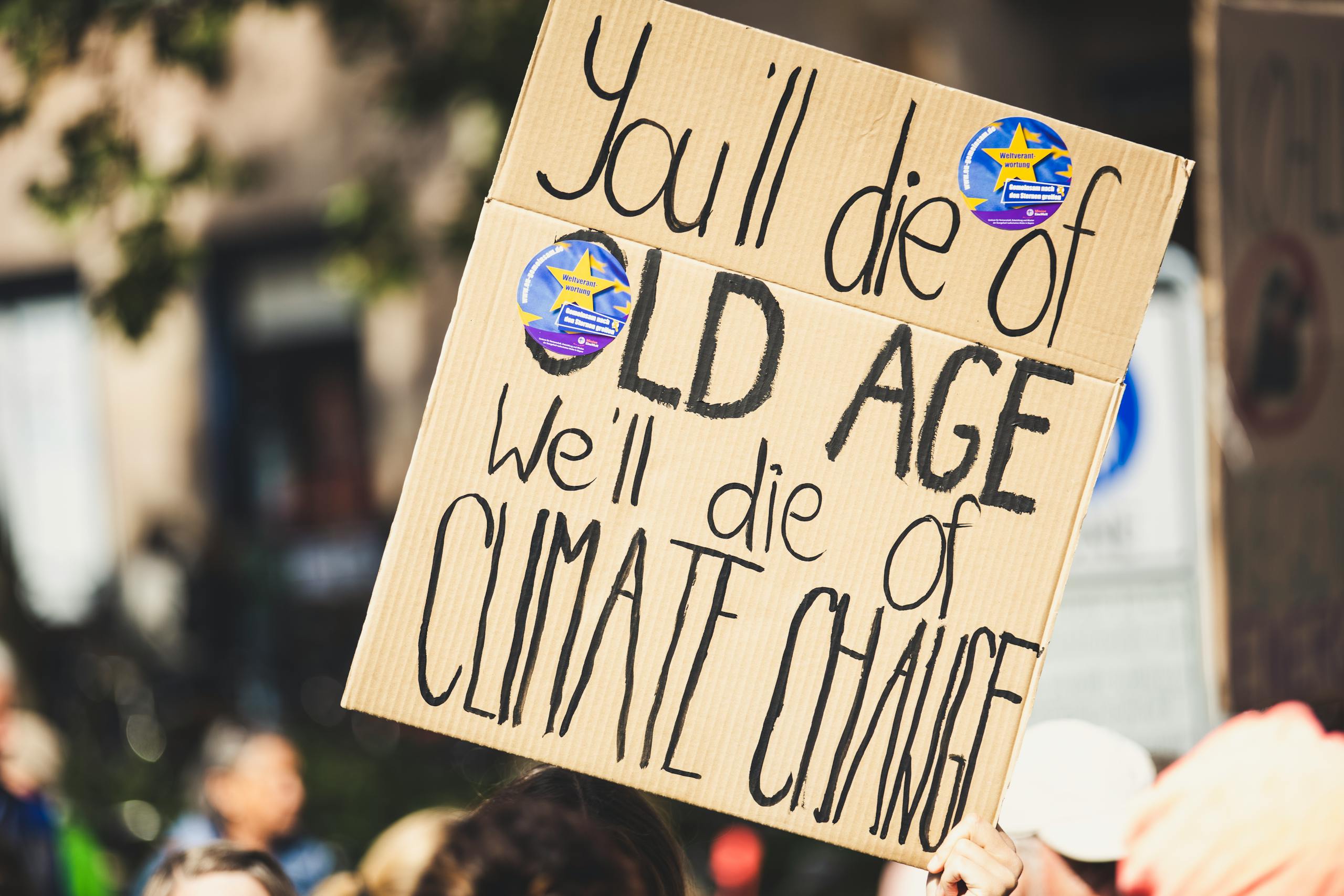
Every generation has worried about the future, but Millennials have spent their adult lives surrounded by crisis language.
Climate anxiety. Political division. School safety fears. Healthcare costs. War headlines. Pandemic trauma. AI disruption. Job instability. Loneliness. Debt. Rising costs. Shrinking trust in institutions.
A child is not just born into a family. A child is born into a world.
That does not mean having children is wrong. Millions of parents are raising loving, joyful, thoughtful kids in hard times. Hope still matters. Family still matters. The future does not need to be perfect for life to continue.
Still, Millennials are not irrational for taking the decision seriously. Many say the world does not need to become a paradise before they become parents. They say uncertainty has grown so heavy that parenthood should no longer be treated as automatic.
For a generation trained to expect the next crisis, caution is not weakness. It is pattern recognition.
Kids Deserve Parents Who Actually Want the Job
The strongest argument for Millennials not wanting kids is also the simplest. Children deserve to be wanted.
Not tolerated. Not produced for tradition. Not born because grandparents begged. Not created because friends moved on. Not brought into the world because someone felt behind. Not raised by parents who privately miss the life they gave up but feel too guilty to admit it.
Children deserve adults who are ready to sacrifice, nurture, protect, teach, listen, provide, discipline, comfort, and keep showing up long after the cute baby stage ends. Parenthood is beautiful, but it is also relentless. Anyone who knows they do not want that role should be honest before another human being has to live with the consequences.
That is why many Millennials may be more responsible than critics admit. They are refusing to treat parenthood like a default setting. They say a child deserves intention, capacity, and desire, not social pressure dressed up as destiny.
Conclusion

Millennials are not destroying the family. They are questioning whether the old family script still works in modern America.
That question makes people uncomfortable because it challenges decades of assumptions about adulthood, marriage, money, gender roles, and success. Yet the question is fair.
If a generation is expected to raise children, it deserves a country where housing is reachable, childcare is affordable, healthcare is stable, work is humane, and parents are supported after the baby announcement fades.
Some Millennials will have kids and love that life deeply. Others will remain child-free and build lives filled with purpose, friendship, travel, service, creativity, partnership, faith, work, community, and peace.
Both choices can be valid. The real problem is not that Millennials are refusing responsibility. The real problem is that they are finally asking whether parenthood should be chosen out of love and readiness rather than out of pressure and tradition.
That may not be selfish at all. It may be exactly the kind of honesty children deserve.