
7 Shocking Reasons Why More Americans Are Rejecting Traditional Religion
Sunday morning in America used to come with a familiar script. Dad is warming up the car. Mom is reminding everyone to hurry. Kids dragging their feet in church shoes. Grandmother’s passing peppermints down the pew. A pastor at the door. A potluck after service. Football later. Maybe a nap if the house finally got quiet. That America still exists, but it no longer owns the whole room.
Now, more Americans are spending Sunday morning at brunch, on a hiking trail, at work, in bed, at a youth soccer game, watching the NFL, scrolling through their phones, or quietly wondering why the faith they inherited no longer feels like home.
The rise of Americans rejecting traditional religion is not just about people becoming atheists. It is about trust, politics, identity, family pressure, church scandals, online questioning, and the growing belief that meaning does not always need a steeple.
The numbers show a real cultural shift. Recent national religion data found that 62% of U.S. adults identified as Christian in 2023 to 2024, down from 78% in 2007, while the religiously unaffiliated share stood around 29%.
Another large 2025 survey found the unaffiliated share at roughly 28%, showing that the shift remains a major part of American life even as the pace may have leveled off.
Younger Americans Are Not Inheriting Faith Like Their Parents Did

For many older Americans, religion was not a lifestyle choice. It was the family operating system. You were baptized, dedicated, confirmed, enrolled, dressed, driven, and expected to show up.
Church was not just where people worshipped. It was where families built reputations, found friends, met spouses, mourned losses, planned charity drives, and learned what counted as respectable. That chain is weaker now.
Younger Americans grew up with more choices, more information, more mixed-faith friendships, and less automatic loyalty to the religion of their parents. College, TikTok, podcasts, therapy language, online debates, deconstruction stories, and diverse workplaces have exposed them to beliefs far beyond the Sunday school room.
Many are not walking away because they are lazy or empty. They are walking away because inherited faith no longer answers the questions they are asking.
When a young adult can compare religious traditions, read criticism, watch former believers explain why they left, and hear people live meaningful lives outside the church, staying becomes a decision rather than a default.
Scandals Made Trust Feel Almost Impossible to Repair
Trust is like a church window after a rock goes through it. You can patch it, but everyone remembers the break. Many Americans did not reject traditional religion because they stopped caring about right and wrong. They left because they watched institutions preach morality while failing to practice it.
Abuse scandals, cover-ups, financial misconduct, celebrity pastor collapses, and leadership hypocrisy have made many people question whether religious authority deserves the benefit of the doubt.
For some, the wound is personal. For others, the damage came through headlines, documentaries, lawsuits, survivor stories, and years of watching institutions defend reputations faster than they defended vulnerable people.
This does not mean every religious leader is corrupt. Many pastors, priests, rabbis, imams, elders, and faith workers serve with humility and genuine care. Still, institutions that claim moral authority face a higher standard. When they break trust, people do not always return, even when someone tells them they must forgive.
For a growing number of Americans, rejecting traditional religion begins with one painful thought: if the people preaching truth keep hiding truth, why should we keep listening?
Politics Made Faith Feel Like a Team Jersey
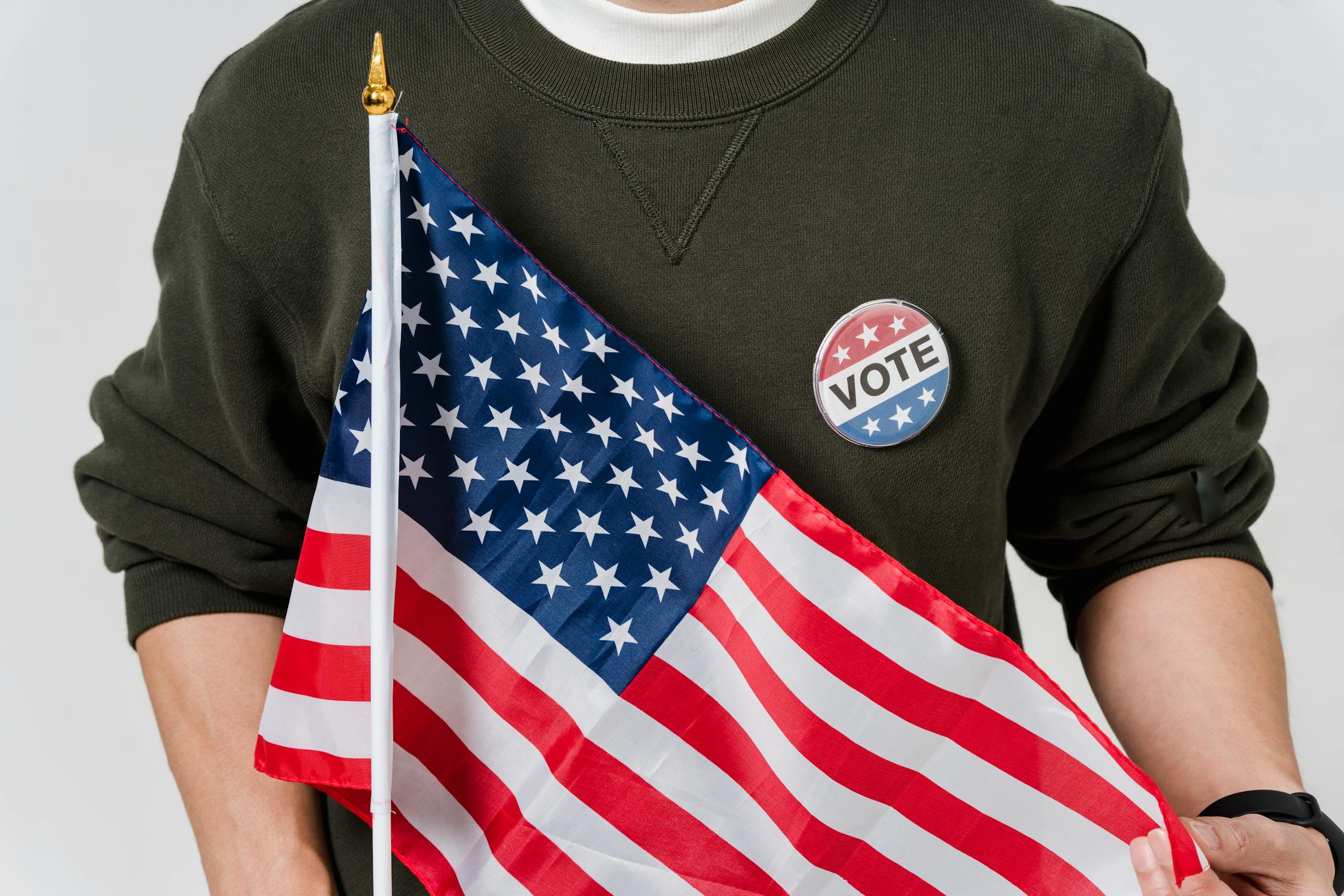
A lot of Americans are tired of feeling like religion has been drafted into a permanent election cycle.
Faith once gave many people comfort, community, discipline, moral language, and a sense of something larger than the daily grind. For some, it now feels tangled with party loyalty, campaign slogans, culture-war outrage, and cable-news talking points. The sanctuary is starting to feel less like a place of worship and more like a hymn-filled rally.
That does not sit well with everyone.
Some religious Americans feel pushed away by secular culture. Others feel pushed away by religious spaces that seem more committed to winning elections than caring for souls. Both tensions matter because they show how deeply politics has entered the religious bloodstream.
Religion and politics have always overlapped in American life. The problem now is intensity. When people feel they must accept an entire political package to belong spiritually, many start looking for the exit.
For some Americans rejecting traditional religion, the issue is not God. It is the feeling that God got buried under campaign signs.
The Internet Gave Doubt a Megaphone
The internet did what many religious parents feared most. It made every question searchable.
A teenager can now compare Bible interpretations, study church history, watch debates, read atheist arguments, explore other religions, hear ex-believers tell their stories, and join private online communities filled with people asking the same forbidden questions.
That changes everything.
In the past, doubt could feel lonely. A person questioning hell, purity culture, gender roles, biblical literalism, church authority, prayer, miracles, or religious trauma might have thought they were the only one struggling. Now, within minutes, they can find thousands of people saying, “I wondered that too.”
Traditional religion once controlled much of the conversation through the pulpit, family expectations, local community, and official teaching. The internet broke that monopoly. Religious leaders now compete with historians, scientists, therapists, skeptics, theologians, former believers, influencers, and strangers with personal stories that feel painfully familiar.
Not every online argument is wise. Not every viral deconstruction story is balanced. Still, the larger change is undeniable. Americans no longer need permission from a religious institution to investigate their beliefs.
Many Still Want Spirituality Without the Institution

Not every person leaving church is leaving wonder behind. Some Americans still pray in private. Others meditate, read spiritual books, seek peace in nature, light candles, practice gratitude, believe in a higher power, or feel that life has meaning beyond the material world.
They may reject labels, membership rolls, strict doctrine, weekly services, and religious authority without rejecting the sacred.
That is why the story is more complicated than “America is becoming atheist.”
Many people are not abandoning meaning. They are changing where they look for it. A walk through a national park may feel more spiritually honest than a sermon. A therapy session may feel more healing than a small group. A quiet morning with coffee and a journal may feel more sacred than sitting in a pew while pretending not to have questions.
For these Americans, traditional religion can feel too rigid, too political, too judgmental, or too tied to institutions they no longer trust. Spirituality feels personal. Religion feels managed.
That distinction matters because it explains why many Americans who reject traditional religion still care deeply about morality, purpose, forgiveness, beauty, grief, and hope. They are not done searching. They are just searching outside the old walls.
Old Rules About Sex, Gender, and Family Feel Out of Step
Many Americans are leaving because traditional religion often asks them to accept rules about sex, gender, marriage, divorce, motherhood, masculinity, LGBTQ identity, and family life that no longer match their lived reality.
A divorced woman may feel judged. A gay teenager may feel unwanted. A couple living together may feel condemned. A single mother may feel watched. A child-free woman may feel misunderstood. A man struggling with depression may feel boxed in by old ideas about masculinity.
Religious communities vary widely. Some are compassionate, welcoming, and open to difficult conversations. Others still feel like places where people must hide major parts of themselves to belong.
The issue is not that every traditional teaching must bend to every modern trend. The issue is that many Americans no longer want to sit in spaces where their lives are treated primarily as problems to be corrected. Once people feel managed instead of loved, they often stop showing up.
For younger generations, especially, moral authority now has to sound like wisdom, not just control. “Because we said so” no longer carries the same power it once did.
People Are Tired of Being Told Doubt Means Failure

Doubt used to be treated like a spiritual disease. Many Americans were raised to believe that questioning too much was seen as rebellion, pride, weakness, sin, or laziness. That may have kept people quiet for a while, but it also taught them that honesty was unsafe inside their religious community.
Eventually, questions do not disappear. They move.
People take them to friends, books, podcasts, therapists, online groups, private journals, or late-night conversations in parked cars. They ask why prayer seemed unanswered, why suffering was explained too neatly, why women were told to stay silent, why abuse was handled quietly, why outsiders were condemned, or why love seemed conditional.
A strong faith tradition should not be terrified of honest questions. If a belief system is true, it should not collapse because someone asks why. Yet many people who leave traditional religion say they were not given room to wrestle, grieve, challenge, or admit uncertainty.
For them, leaving is not always rebellion. Sometimes it is the first honest thing they have done in years.
Conclusion
More Americans are rejecting traditional religion because the old bargain no longer works for everyone.
People are no longer content to attend out of habit, to believe out of fear, to obey without explanation, or to stay silent when institutions fail them. Many still want meaning, morality, beauty, comfort, forgiveness, and community. They just no longer assume those things must come through the same pews, rules, and authorities that shaped earlier generations.
Traditional religion is not dead in America. Millions still find deep purpose, healing, discipline, family, service, and hope in faith communities.
But automatic loyalty is fading. The future of religion in America may belong to communities that stop relying on guilt, silence, politics, and inherited identity. People are not asking religious institutions to be perfect. They are asking for honesty, humility, safety, compassion, and room to ask hard questions without being treated like enemies.
That may be the most shocking truth of all. Many Americans are not rejecting traditional religion because they have stopped searching for meaning. They are rejecting it because they are still searching, and they no longer trust the old doors to lead them there.


