9 Outrageous Ways the Media Is Brainwashing Young Americans Into Hating Their Own Country
An American teenager can wake up to a TikTok clip before brushing their teeth, hear a podcast rant on the way to school, scroll through disaster headlines at lunch, watch a YouTube essay after class, and fall asleep thinking the country is nothing but corruption, greed, racism, stupidity, debt, and bad Wi-Fi.
That is not education. That is emotional conditioning with a ring light.
Young Americans are not sitting around reading full policy reports, comparing historical timelines, or watching city council meetings for fun. Many are learning about America through clips, memes, hot takes, influencer breakdowns, rage headlines, reaction videos, and algorithms that know exactly how to keep them angry.
Criticizing America is not the same as hating America. A serious country should be able to face its failures. Yet there is a difference between teaching young people to improve their country and feeding them a daily diet of contempt until shame feels smarter than hope.
That is why the debate over media brainwashing young Americans hits such a nerve. The problem is not one network, one app, or one political side. The problem is a media ecosystem that often rewards the darkest, loudest, most humiliating version of America because outrage gets clicks and despair keeps people scrolling.
Trust is already broken. In 2025, only 28% of U.S. adults said they had a great deal or fair amount of trust in mass media, a record low. Among younger adults, trust was no higher than 28% in the most recent three-year period.
The Media Turns America Into One Long Disaster Trailer
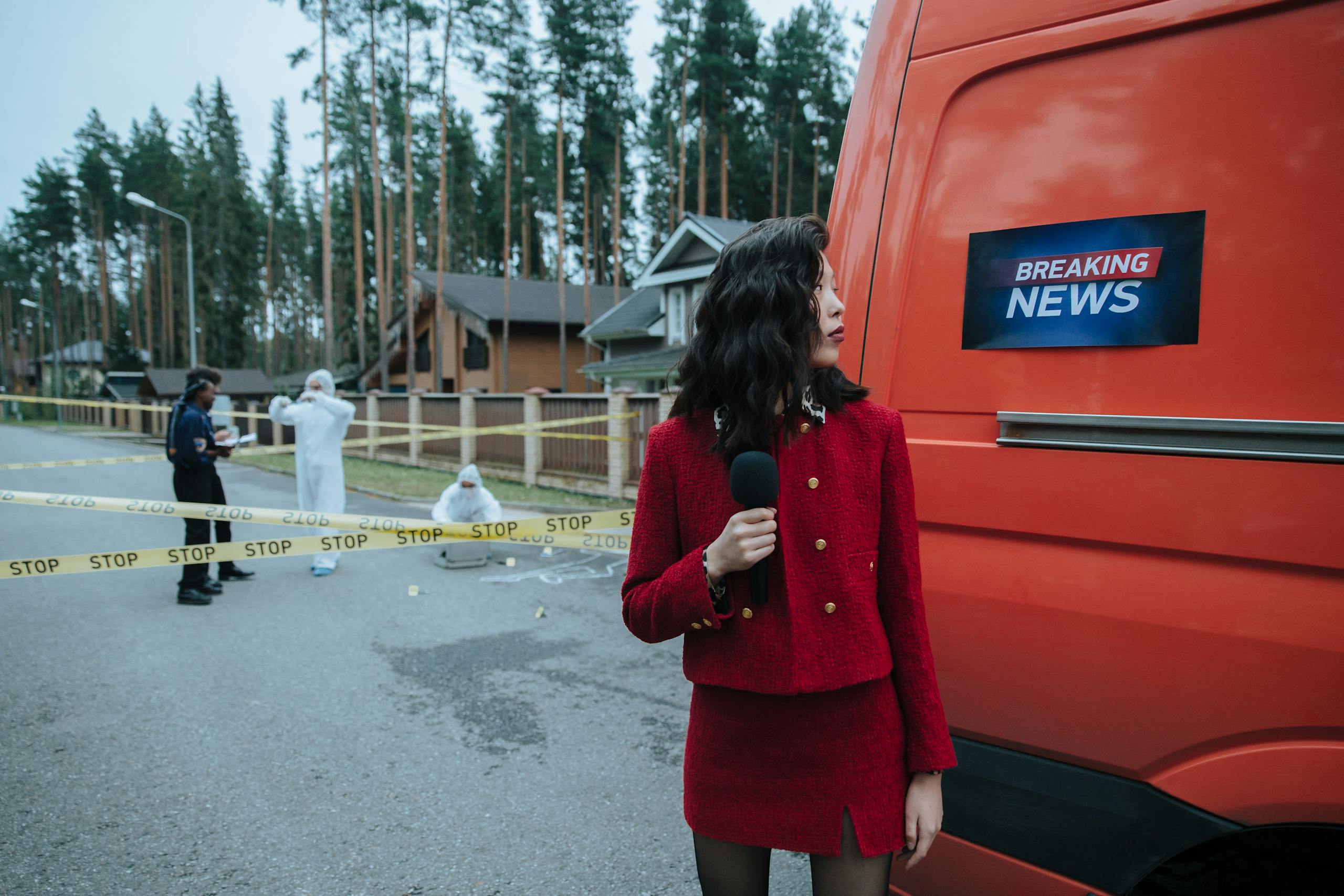
The modern news feed can make America look like a movie where every scene is an emergency.
Crime clip. Political scandal. School fight. Inflation panic. Border footage. Campus meltdown. Viral racism accusation. Public freakout. Natural disaster. Celebrity hypocrisy. Repeat until the viewer feels numb.
Bad news deserves coverage. Corruption, violence, poverty, injustice, and failure should not be hidden behind fireworks and patriotic music. Still, a country is more than its worst thirty-second clips.
Too much media content shows young Americans the broken glass without showing who is sweeping it up. It shows the shouting politician, but not the local volunteer. It shows the worst classroom, but not the teacher staying late. It shows the burning car, but not the neighbor pulling someone to safety.
A nation is not just its crisis footage. When young people see only the ugliest frames, they may mistake the highlight reel of dysfunction for the whole American story.
Patriotism Gets Treated Like Something Embarrassing
A lot of young Americans now see patriotism as cringeworthy before they even understand what it can mean.
Media culture often gives them two ugly choices. One version of patriotism refuses to admit America has ever done wrong. The other treats love of country as suspicious, outdated, or morally embarrassing.
Both versions are lazy. Real patriotism does not require worshiping politicians, ignoring history, or pretending every American institution is noble. It can mean caring enough to criticize honestly, vote seriously, serve locally, protect freedoms, help neighbors, and leave the country better than you found it.
Social media rarely rewards that mature version. It rewards sneering. It rewards dramatic captions. It rewards the teenager who says America is garbage and the commentator who says America is perfect. Nuance dies because nuance is terrible at going viral.
Once young people are trained to mock national pride, they may lose the emotional reason to repair what is broken.
Algorithms Keep Feeding Outrage Until It Feels Normal
Your phone does not care whether you become wiser. It cares whether you stay.
That is the brutal logic behind today’s media machine. Algorithms learn what makes people pause, react, argue, share, and come back. Anger works. Fear works. Shame works. Humiliation works. Hopelessness works.
This is where media brainwashing young Americans becomes less like a secret plot and more like a business model. A young person watches a video about America’s corruption, and the feed offers more. One clip about political betrayal becomes ten. One campus controversy becomes a full personality.
Young adults under 30 follow the news less closely than older Americans, but they are more likely to get news from social media and trust it. Half of the youngest adults say they have at least some trust in information from social media sites, higher than any other age group.
That matters because social platforms are not neutral classrooms. They are attention markets. If anger keeps the thumb moving, anger becomes the lesson.
History Gets Served Like a Guilty Verdict

American history is complicated, painful, inspiring, hypocritical, brave, shameful, and unfinished. That is exactly why it should be taught with honesty.
The problem begins when media content serves history as a guilty verdict rather than a national story. Young audiences hear about slavery, segregation, broken treaties, discrimination, war, exploitation, and injustice. They should hear about those things.
But they do not always hear enough about abolitionists, civil rights workers, reformers, immigrant builders, soldiers, inventors, labor organizers, constitutional battles, scientific breakthroughs, and ordinary citizens who forced the country to become better.
A country should not lie about its sins. It should also not teach young people that sin is the only story.
The most useful version of American history should make people sober, not hopeless. It should show that America has repeatedly failed to keep its promises, yet those same promises have given generations the language to demand more.
If young Americans learn only shame, they may never learn responsibility. Shame says the country is rotten. Responsibility says the country is unfinished.
Influencers Replace Reporting With Attitude
Many young Americans no longer get news from reporters. They get it from personalities.
The person may be sitting in a bedroom, a car, a podcast studio, a gaming chair, or a kitchen with perfect lighting. They speak with confidence, crack jokes, roll their eyes, explain the “real story,” and make complicated events feel simple enough to understand in two minutes.
Sometimes they are smart. Sometimes they are funny. Sometimes they are reckless. Either way, the format is powerful because it feels personal.
A confident influencer can make a young viewer feel informed even when the content is mostly attitude. A sarcastic caption can feel like evidence. A dramatic edit can feel like the truth. A rant can feel like research if it confirms what the viewer already suspects.
Traditional news has problems, but influencer news has its own dangers. The viewer may trust the vibe more than the facts.
Political Coverage Makes America Look Like Two Enemy Nations
Young Americans are growing up in a media environment where politics often looks less like disagreement and more like civil war with better graphics.
Every issue becomes a battle for the soul of the country. Every election becomes the most important election of all time. Every court decision means democracy is saved or doomed. Every opponent becomes evil, fascist, communist, hateful, stupid, corrupt, dangerous, or insane.
That framing teaches young people to see fellow citizens as enemies before they see them as neighbors.
News fatigue is also rising. As of August 2025, only 36% of U.S. adults said they followed the news all or most of the time, down from 51% in 2016.
That drop should worry everyone. Many Americans are not becoming better informed. They are becoming more exhausted. A young person who mostly encounters politics through outrage clips may conclude that the country is not a shared home with hard problems. It is just a battlefield where half the people deserve to be defeated.
A democracy cannot survive on that emotional diet forever.
Success Stories Get Buried Because Hope Is Less Clickable
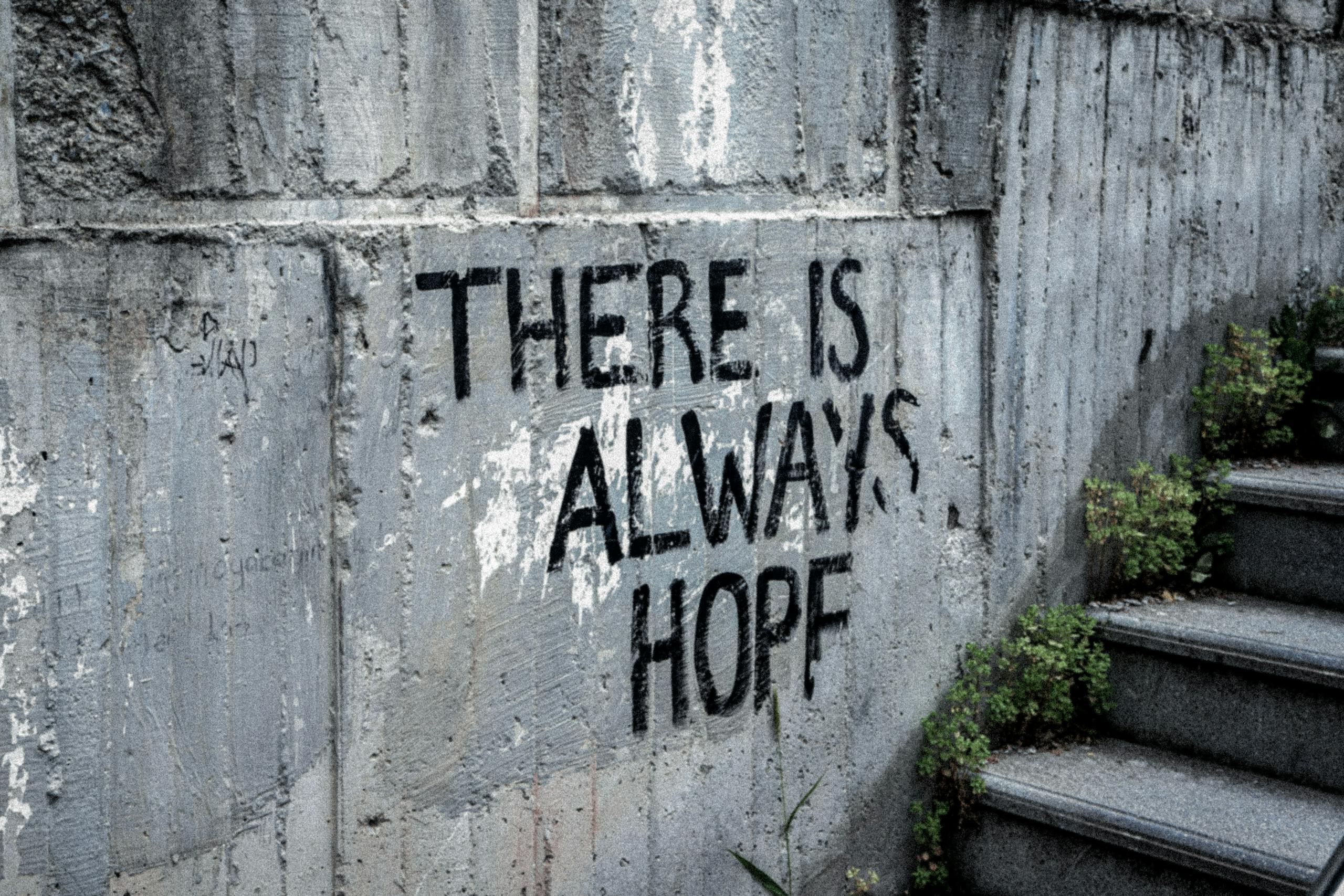
America’s failures travel first class. Its progress often flies by.
A collapsing city gets attention. A successful neighborhood program does not. A corrupt official gets a week of coverage. A good local leader barely leaves the county paper. A viral crime clip explodes. A drop in crime, a better school program, a new small business, or a community rescue effort often disappears under the next scandal.
That creates a distorted view of reality.
Young Americans hear plenty about what is broken, but far less about what is working. They hear about student debt, but not always about young tradespeople building stable lives. They hear about political corruption, but not always about local public servants doing honest work.
They hear about social collapse, but not always about churches, mosques, synagogues, nonprofits, sports teams, immigrant families, veterans’ groups, and neighbors who hold communities together.
Good news is not propaganda. Hope is not denial. Progress is not perfection. A media culture that hides every sign of repair teaches young people that repair is impossible.
Campus and Culture-War Clips Warp the Whole Country
One wild campus video can make millions of people think an entire generation has lost its mind.
A screaming student. A strange professor clip. A protest sign. A classroom argument. A controversial school-board moment. A viral street interview. Suddenly, the most extreme example becomes the national mood.
That is how the media turns America into a funhouse mirror. The thing may be real, but the size is distorted.
Most students are not spending their days screaming into megaphones. Many are working part-time jobs, studying for exams, worrying about rent, texting their parents, applying for internships, and trying not to drown in student loan debt. That version of America is less dramatic, so it gets less attention.
Culture-war content makes everyone suspicious. Parents panic. Students perform. Politicians exploit. Commentators cash in. Meanwhile, ordinary people disappear from the story.
Young Americans deserve to see the country as it is, not as a nonstop compilation of its loudest moments.
The Media Teaches Powerlessness Instead of Responsibility
The most dangerous message is not “America has problems.” That message is true. The dangerous message is “America is beyond repair.”
When young people are fed constant doom, they may stop believing their choices matter. Voting feels pointless. Local service feels too slow. Patriotism feels embarrassing. Family conversations feel impossible. Community work feels tiny compared with the scale of the crisis.
That is how cynicism becomes a cage.
Every major American improvement required people who saw what was wrong and still believed action mattered.
Civil rights, labor protections, women’s rights, disability access, environmental progress, consumer protections, and local reforms did not come from people who sat around doomscrolling. They came from people who were angry enough to act and hopeful enough to continue.
A media system that gives young people outrage without responsibility does not create reformers. It creates anxious spectators.
Conclusion

America does not need young people who blindly worship the country. That kind of patriotism is shallow. It also does not need young people trained to hate the country before they understand it. That kind of cynicism is just as shallow.
The media should help young Americans see America clearly. The good, the bad, the shameful, the brave, the broken, the beautiful, and the worth-saving. Instead, too much of today’s media ecosystem rewards panic, contempt, division, and despair because those emotions keep people watching.
That is the real danger of media brainwashing young Americans. It does not always hand them a neat script. It teaches them what to feel every day: angry, ashamed, hopeless, suspicious, and detached from the country they are supposed to inherit.
A better media diet would not hide America’s flaws. It would show young people that flaws are not the whole story.
The country is not perfect. It never was. But if young Americans are taught only to hate it, they may never learn how to repair it.