15 Cleaning Products You Should Avoid at All Costs and What to Use Instead
While cleaning products can make our lives easier, not every product on the market is worth the price tag. Some cleaning supplies are overpriced, ineffective, or even harmful.
Here’s a comprehensive look at 15 cleaning products that are a waste of money, along with the smarter alternatives you should be using instead. By making a few simple swaps, you’ll save money, help the environment, and ensure a cleaner, healthier home.
Laundry Detergent Pods
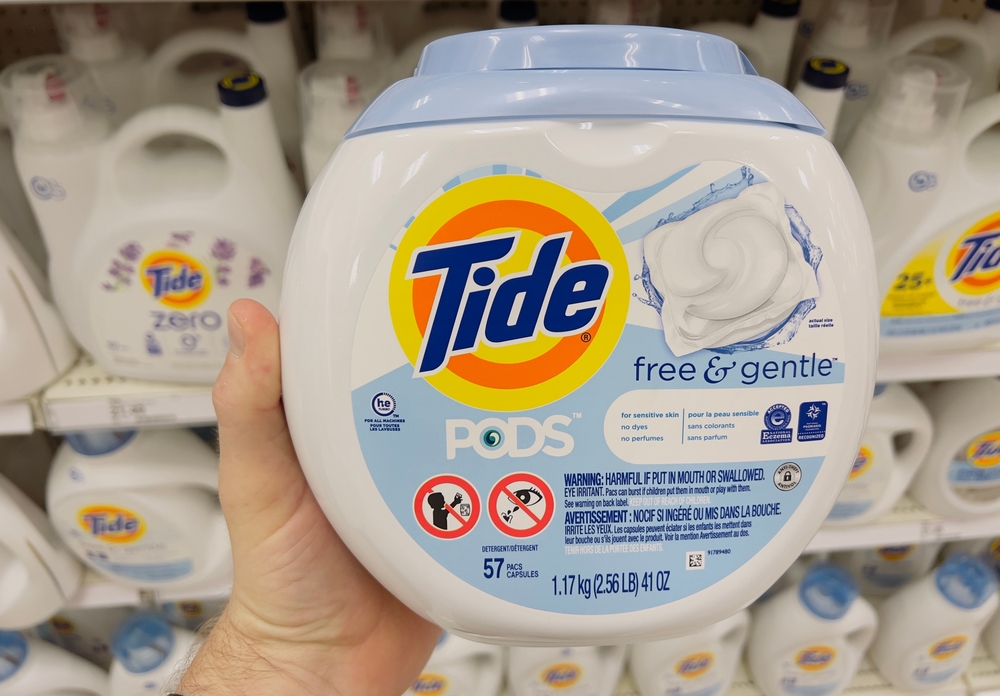
Laundry pods are convenient but overpriced, and they don’t clean as effectively as liquid detergent.
A single pack of 72 pods costs around $19, but for the same price, you can get a larger bottle of liquid detergent that lasts longer and works better. Instead, choose store-brand liquid detergents or opt for Costco’s Kirkland brand for an affordable, better-performing alternative.
Swiffers
While Swiffers are marketed as a quick and easy cleaning solution, the cost of their disposable cloths can add up quickly. A pack of 32 dry refills can cost nearly $10, and they create a lot of waste.
Instead, invest in a cordless stick vacuum for versatile cleaning, or go with an old-fashioned mop for deep cleaning that doesn’t require constant refills.
Air Fresheners
Air fresheners only mask odors temporarily and can trigger health issues like headaches or respiratory problems in some people. The refills are also expensive, and you’ll need to replace them frequently.
Open your windows for fresh air, or use natural odor-neutralizers like baking soda and essential oils to eliminate unwanted smells.
Disinfecting Wipes
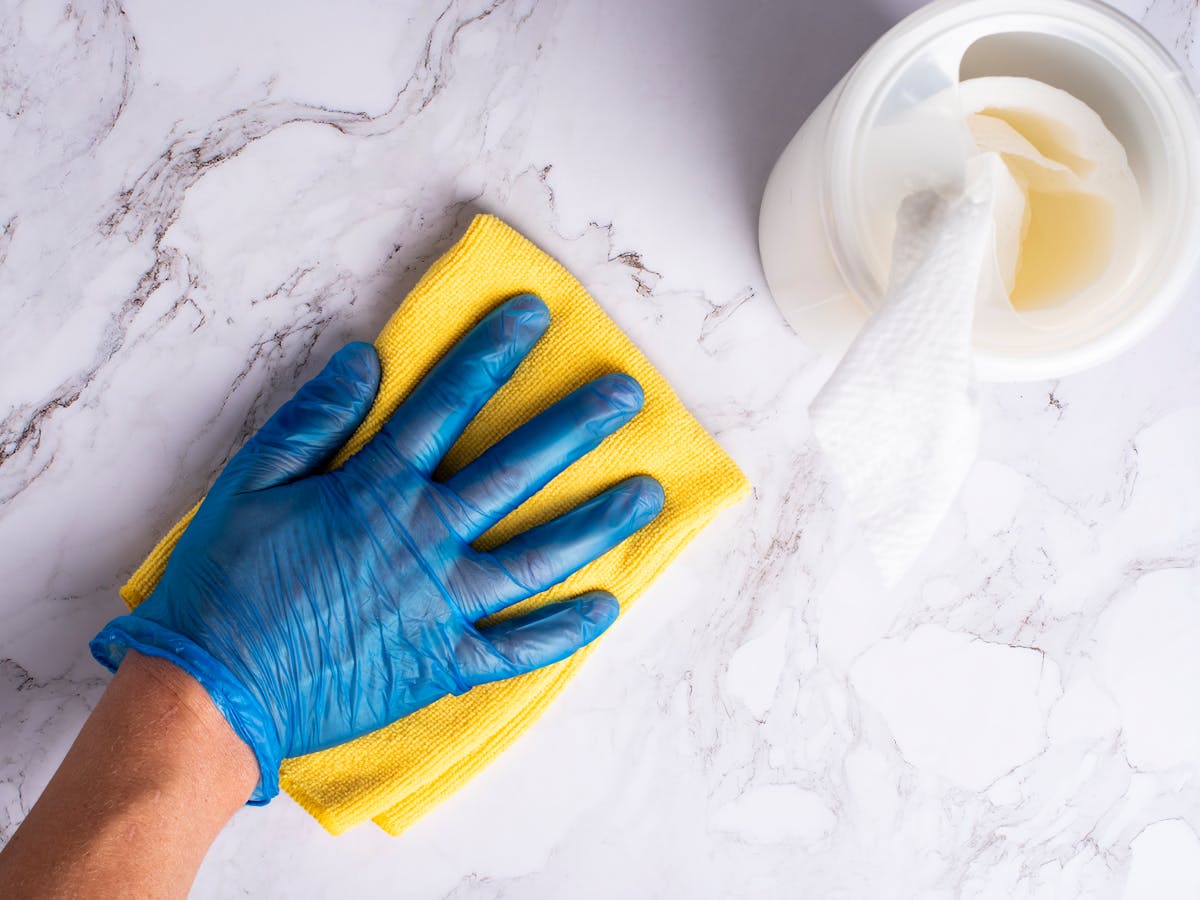
Though convenient, disinfecting wipes are wasteful, expensive, and less effective than many alternatives. A $5 pack of 80 wipes won’t last long, and they contribute to landfill waste.
Instead, make your own wipes using old washcloths soaked in a mixture of water, rubbing alcohol, and dish soap, which is just as effective for cleaning surfaces.
Automatic Toilet Cleaners
Automatic toilet cleaners, often in the form of drop-in tablets, can damage your toilet’s internal components over time, leading to costly repairs. Instead of relying on chemicals, pour distilled white vinegar into your toilet tank and overflow pipe to naturally maintain cleanliness and freshness between deep cleans.
Ionic Air Purifiers
Ionic air purifiers may seem like a great way to clean the air, but they release ozone, which is harmful to inhale, and don’t capture allergens as effectively as HEPA filters. Instead, opt for an air purifier with a true HEPA filter to ensure cleaner, safer air in your home.
Steam Mops
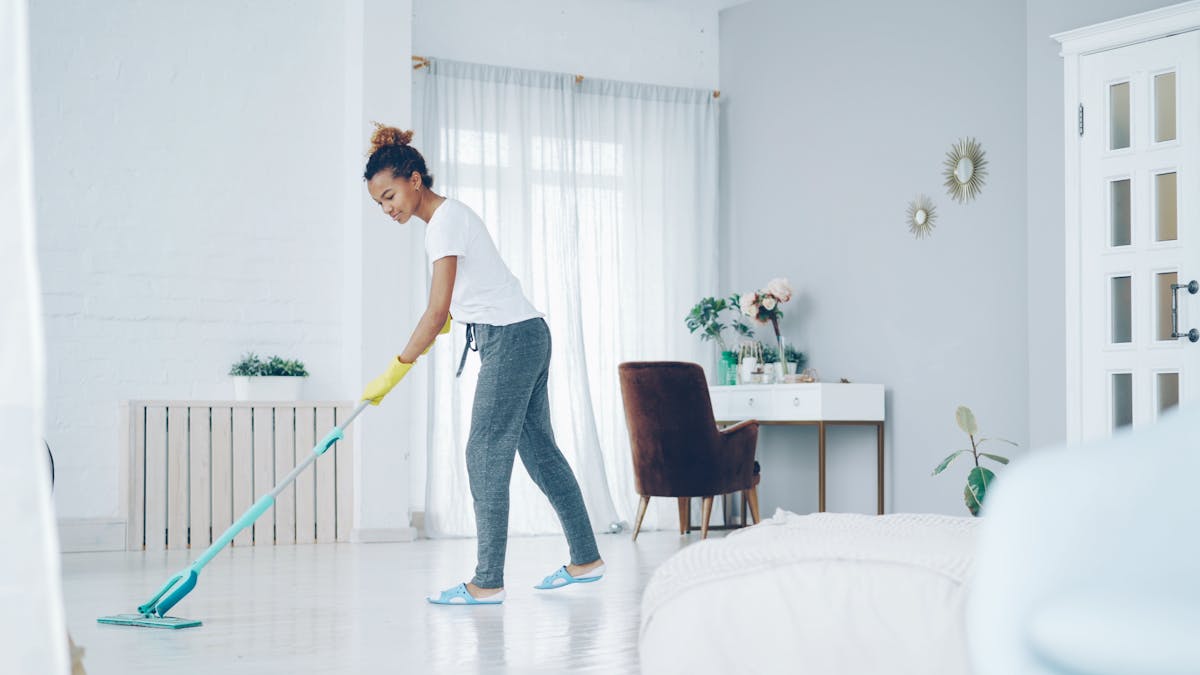
Steam mops are popular but often fail to clean effectively, leaving excessive moisture on floors that can damage hardwood and laminate. For better results, use a traditional mop with a microfiber cloth, which lets you control moisture and clean more efficiently.
Laundry Scent Boosters
Laundry scent boosters don’t improve cleaning; they only add fragrance and can irritate sensitive individuals. Save your money by using a quality detergent that already offers a light scent, or add a drop of essential oils to a wool dryer ball for a naturally fresh fragrance.
Robotic Vacuums
Robotic vacuums are marketed as time-savers, but often don’t deliver the performance of a traditional vacuum. They’re not ideal for homes with clutter or multiple levels, and they tend to have weaker suction.
Instead, choose a lightweight, cordless stick vacuum that offers better suction and maneuverability at a lower cost.
Lint Rollers
While lint rollers seem like an essential tool for removing pet hair, they’re expensive and wasteful because they require constant refills. Instead, use a rubber glove or a microfiber cloth to pick up lint and pet hair, or try a reusable lint brush for a more sustainable solution.
Feather Dusters
Feather dusters simply push dust around and may even stir up allergens rather than trap them. Instead, use a damp microfiber cloth to effectively capture dust and keep your environment cleaner.
Microfiber cloths are reusable, making them a more sustainable and cost-effective option for dusting.
Disposable Toilet Brushes
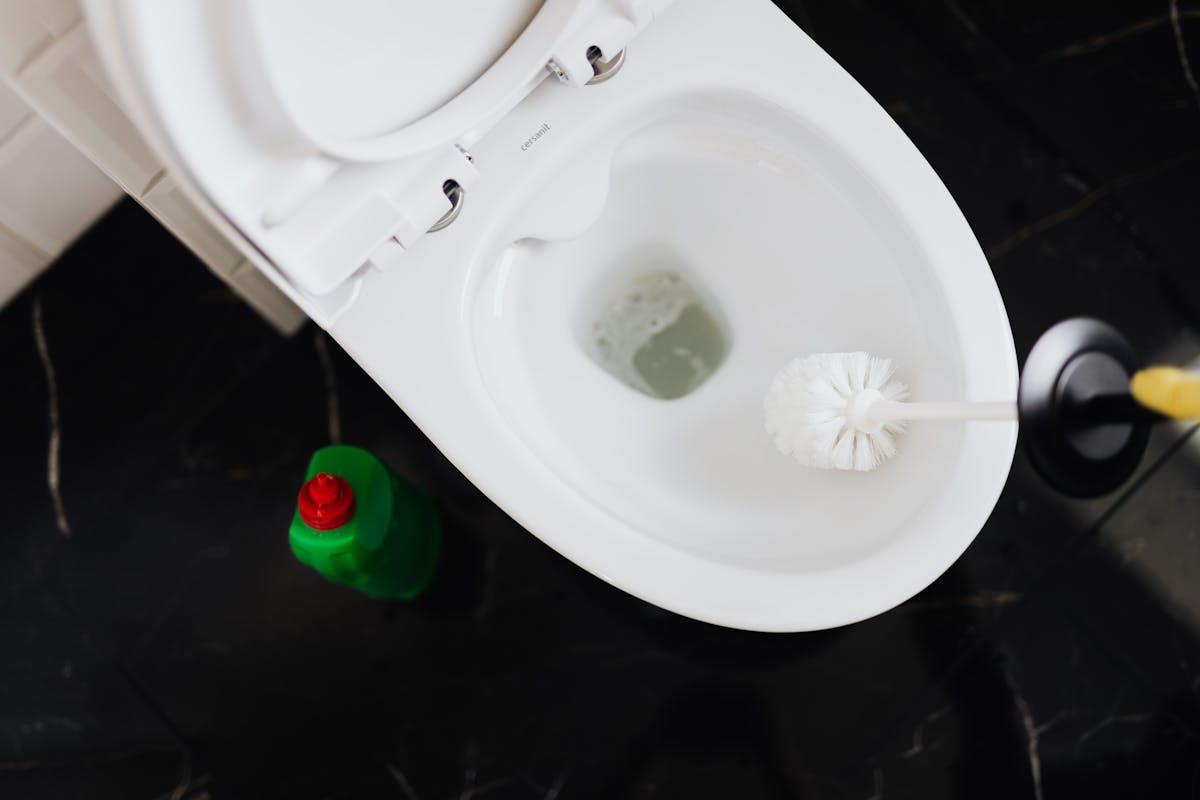
Disposable toilet brushes are convenient but create a lot of waste, and the brushes themselves often break or fail to clean effectively. Instead, use a traditional toilet brush with a sturdy handle for more effective scrubbing.
A ventilated brush holder will ensure that the brush dries properly, preventing mold and odor buildup.
‘Natural’ Cleaners
Many “natural” cleaners cost more without offering any substantial benefits over traditional cleaning products. Often, the ingredients are nearly identical to those in standard cleaners, and they don’t perform any better.
Instead, make your own cleaners with simple ingredients like vinegar, baking soda, and essential oils for an affordable and effective solution.
Cheap Grout Cleaners
Grout cleaners often fail to deliver on their promises, leaving you with more work and frustration. Instead of relying on expensive cleaners, use a drill brush or a magic eraser for deeper cleaning.
The extra elbow grease will be more effective at restoring grout to its original condition without spending money on ineffective products.
Paper Towels
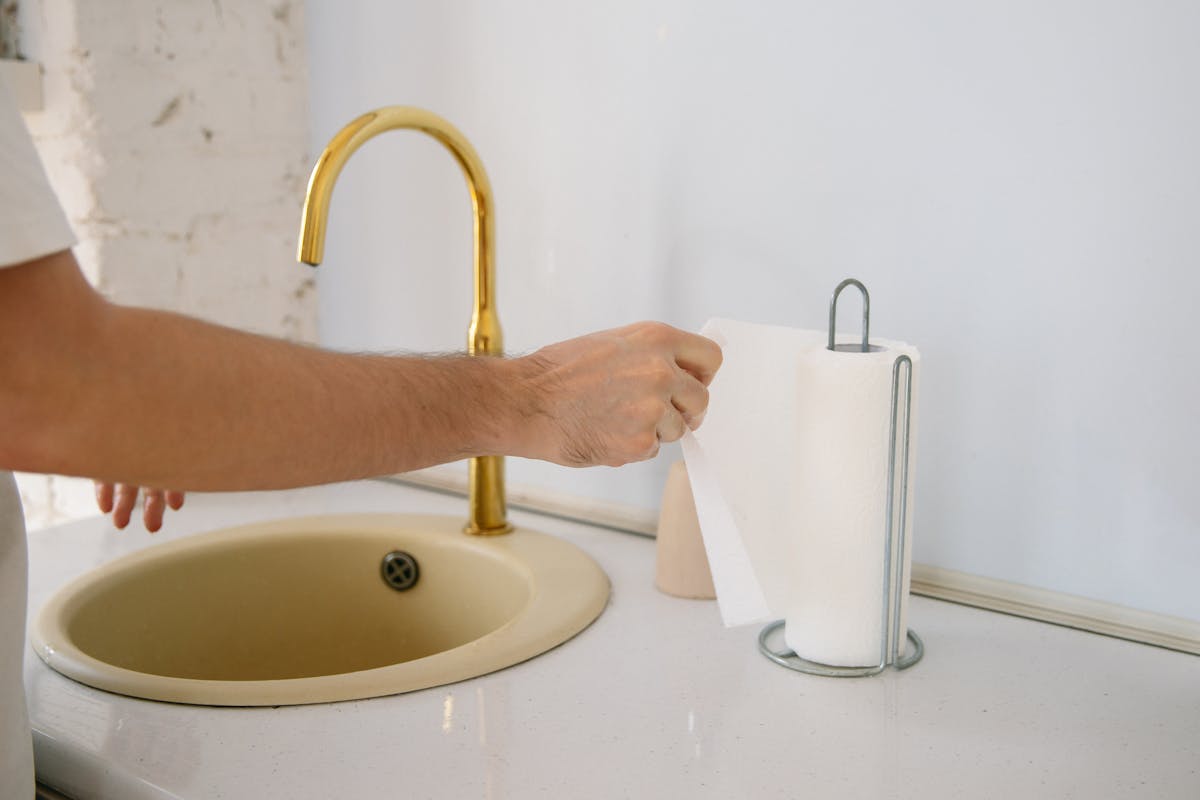
Paper towels are expensive and harmful to the environment due to their low recyclability and overconsumption. Instead, use reusable microfiber cloths for cleaning tasks.
They’re durable, easy to wash, and can tackle everything from wiping down surfaces to cleaning mirrors and dusting furniture.
Key Takeaways
Cleaning doesn’t have to involve expensive products that don’t deliver on their promises. By swapping out ineffective items like laundry pods, Swiffers, and automatic toilet cleaners for affordable, eco-friendly alternatives, you’ll save money, reduce waste, and keep your home cleaner.
Opt for DIY cleaning solutions, invest in reusable products, and take control of your cleaning routine for a healthier, more sustainable approach.