9 Restaurant Foods That Often Disappoint People Who Make Them Better at Home
A restaurant meal can feel like a treat, especially when someone else handles the cooking and cleanup. But ordering a familiar dish sometimes creates a surprising realization: the version you prepare at home may taste better.
Restaurants have different priorities from home cooks, including preparation speed, consistency, ingredient costs, and the need to serve many customers. Those pressures can affect how individual dishes turn out. Here are nine familiar restaurant foods that some diners prefer preparing themselves, along with practical reasons homemade versions may offer an advantage.

1. Scrambled Eggs
Scrambled eggs seem simple, yet small changes in temperature and cooking time make a considerable difference. Some people prefer soft, creamy eggs, while others want them fully set.
Restaurants may prepare large quantities or cook eggs quickly during busy breakfast periods. That can produce a texture that doesn’t match every customer’s preferences.
At home, it’s easier to adjust the heat, seasoning, and cooking time. You can also add vegetables, herbs, or cheese in the quantities you prefer. The result isn’t automatically better, but the level of control can make homemade scrambled eggs more satisfying.
2. Pancakes
Restaurant pancakes often come in large portions with syrup, butter, and additional toppings. They can be enjoyable, but their texture and sweetness may not suit everyone.

Homemade pancakes allow cooks to experiment with thickness, flavor, and ingredients. Some people prefer buttermilk pancakes, while others enjoy oats or whole-grain flour.
The freshness of the batter and the cooking temperature influence the result. A properly heated pan helps produce even browning without burning the outside. Restaurant pancakes remain popular for convenience, but preparing them at home can be particularly satisfying when the whole family helps.
3. Macaroni and Cheese
Restaurant macaroni and cheese can range from a basic side dish to an elaborate entrée. Some versions use several cheeses and rich sauces, while others rely on simpler preparations.
The dish may disappoint when the sauce becomes too thick, the pasta is overcooked, or the cheese flavor is weaker than expected. Personal preferences also play a major role.
Homemade recipes allow cooks to control the cheese mixture and texture. Baking can create a browned topping, while stovetop preparation usually produces a smoother sauce. The most appealing version often depends on what someone grew up eating.
4. Grilled Cheese Sandwiches
A grilled cheese sandwich needs only a few familiar ingredients, but restaurants sometimes turn it into a complicated menu item. Additional meats, sauces, and multiple cheeses can change its character considerably.
Some customers prefer a simple sandwich with crisp bread and melted cheese. At home, they can choose the exact bread, cheese, and cooking fat.
Temperature matters because high heat may burn the bread before the cheese melts. Cooking more gently can improve the balance between the crust and filling. A restaurant version may offer convenience, but homemade grilled cheese often wins on familiarity and control.
5. Mashed Potatoes
Mashed potatoes can vary from light and fluffy to dense and gluey. The potato variety, cooking method, and amount of added liquid all affect the result.
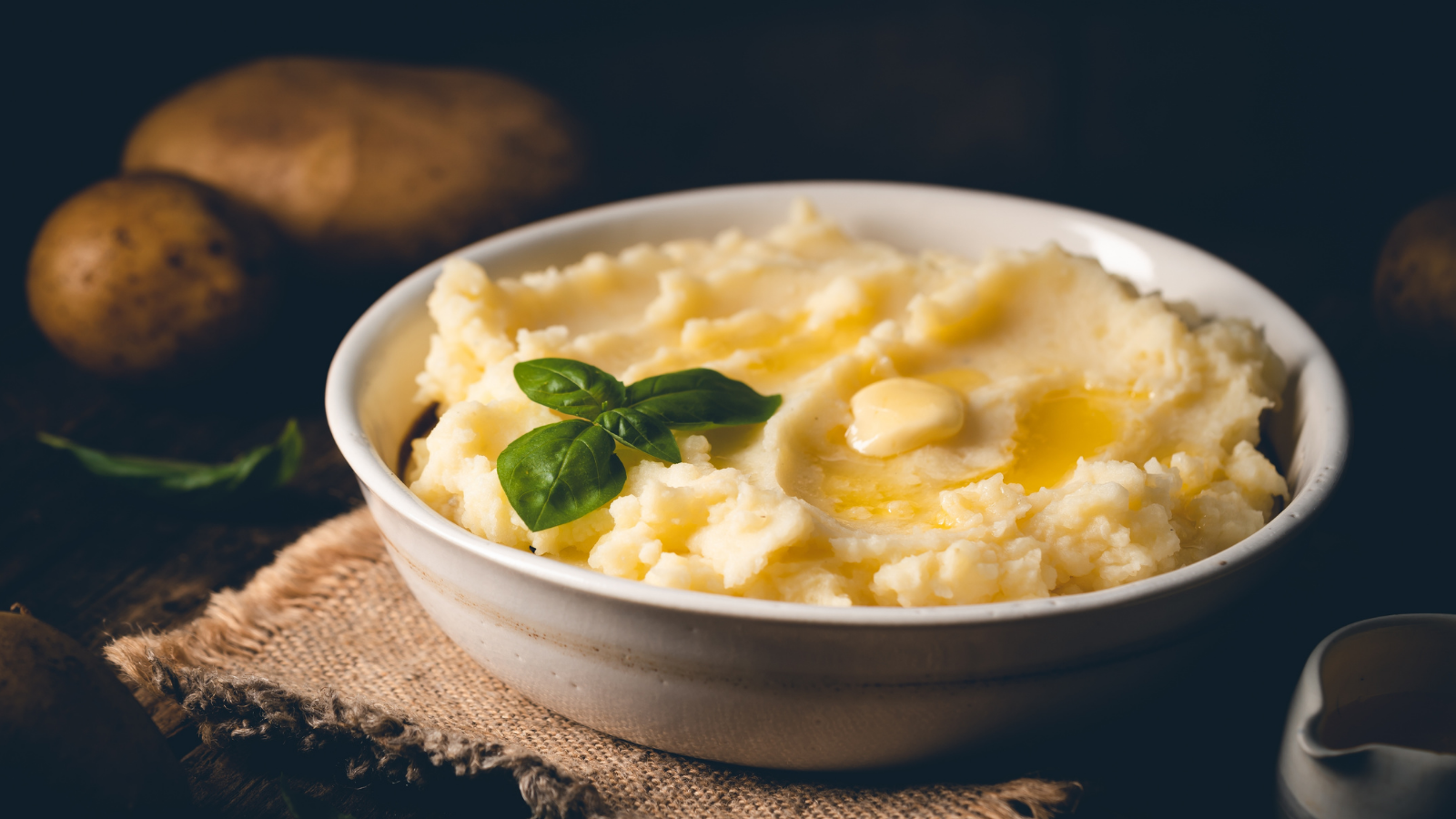
Restaurant versions sometimes contain more butter, cream, or salt than customers expect. Others may be prepared ahead of time and held warm for service.
Homemade mashed potatoes allow greater control over consistency and flavor. Some cooks prefer them smooth, while others enjoy small pieces of potato. Using the right potatoes and avoiding excessive mixing can help produce a more appealing texture.
6. Pasta With Tomato Sauce
Restaurant pasta can be disappointing when noodles are overcooked or the sauce tastes flat. The problem may be particularly noticeable when the dish uses only a few ingredients.

Homemade tomato sauce allows cooks to adjust garlic, herbs, acidity, and seasoning. It also provides an opportunity to use different pasta shapes and textures.
A good restaurant pasta dish can be excellent, but paying a premium doesn’t guarantee better flavor. Preparation and ingredient quality matter more than presentation alone. For families who cook pasta regularly, the homemade version may also cost considerably less per serving.
7. French Toast
French toast is prepared by soaking bread in an egg mixture before cooking it. The type of bread and amount of liquid influence whether the finished dish becomes tender or soggy.
Restaurants often serve French toast with generous portions of syrup, powdered sugar, or other toppings. Some customers prefer a simpler preparation.
At home, thicker bread and careful cooking can produce a crisp exterior with a soft center. Cinnamon, vanilla, and fruit can be adjusted according to preference. The dish also offers a practical way to use suitable bread that is beginning to become stale.
8. Chicken Soup
Chicken soup is often associated with homemade comfort food. Restaurant versions can vary considerably depending on whether they use freshly prepared stock, packaged broth, or concentrated bases.
A homemade pot allows families to select the chicken, vegetables, noodles, and seasonings. Some prefer a clear broth, while others want a thicker soup.
Traditional family recipes often use familiar techniques to develop flavor through slow cooking. Those methods can make a simple soup especially satisfying. A restaurant bowl may be convenient, but it won’t always recreate a family’s preferred recipe.
9. Burgers
Restaurant burgers can become expensive when topped with several kinds of cheese, sauces, and specialty ingredients. Some customers appreciate the creativity, while others prefer a straightforward burger.

Homemade burgers allow control over patty size, toppings, seasoning, and cooking method. Families can also select buns and vegetables that suit their preferences.
Food safety remains important. The USDA recommends cooking ground beef to 160°F.
A restaurant burger may still be worth buying for convenience or a particular preparation. But homemade versions can offer better control over the finished meal.
Does Homemade Really Mean Better?
Homemade cooking isn’t automatically superior. Restaurants may have skilled chefs, specialized equipment, and access to ingredients that are difficult to use at home.
The biggest advantage of cooking familiar dishes yourself is customization. You know which ingredients you enjoy and how you want the food prepared.
Cost is another consideration. Homemade meals may provide several servings for less money, although preparation time and ingredient waste should also be considered.
The next time a restaurant meal disappoints you, think about which part didn’t meet your expectations. You may discover that a small change in technique makes the homemade version exactly what you wanted.