8 Grocery Store Foods That Look Very Different From What Americans Bought Decades Ago
Walk through a supermarket today, and you’ll find products that earlier generations would recognize immediately. But look beyond the names, and many familiar foods have changed in packaging, preparation, ingredients, or the way they’re marketed.
Some changes reflect improved convenience or food safety. Others respond to consumer preferences, new manufacturing methods, and competition between brands. These eight examples show how ordinary grocery products have evolved, sometimes without shoppers noticing just how different they have become.

1. Frozen Dinners
Early frozen TV dinners were famously served in compartmentalized aluminum trays. They offered separate sections for meat, vegetables, and other parts of a complete meal.
The format was designed for convenience, particularly as television became a familiar part of American households. Swanson helped popularize the concept in 1954.
Modern frozen meals use a much wider variety of packaging materials, including containers suitable for microwave heating. Menus have expanded to include pasta, bowls, international dishes, and meals designed for particular dietary preferences.
The basic promise remains similar: a prepared meal requiring little effort. But the technology and range of choices have changed considerably.
2. Breakfast Cereal
Mid-century breakfast cereals relied heavily on colorful boxes, cartoon mascots, and television advertising. Manufacturers introduced new shapes, flavors, and promotional characters to attract children.
Modern cereal shelves still contain recognizable brands, but packaging increasingly emphasizes features such as whole grains, fiber, and protein. Some products are marketed toward adults rather than primarily toward children.
Recipes have also changed over time, although the changes differ by brand. Shoppers should compare current ingredient lists rather than assume every familiar cereal has the same formulation it had decades ago. Cereal remains a convenient breakfast option, but the products available today reflect different marketing priorities.
3. Peanut Butter
Peanut butter was once commonly associated with relatively simple ingredients and familiar sandwich recipes. Today, supermarkets offer numerous varieties, including crunchy, smooth, unsweetened, flavored, and powdered products.

Some peanut butters contain added sugar, salt, or oils, while others consist mainly of peanuts. The differences affect flavor, texture, and nutritional content.
Packaging has also evolved, with squeeze containers and smaller portion packs joining traditional jars. These options can be convenient, although they may carry different costs per serving.
Reading the label is the best way to understand what you’re buying. A familiar product name doesn’t guarantee identical ingredients across varieties.
4. Coffee
Earlier American households commonly purchased ground coffee or instant coffee for everyday use. Today, supermarkets offer whole beans, single-serve pods, cold-brew concentrates, flavored blends, and ready-to-drink products.

The range reflects changing equipment and consumer habits. Espresso machines, pod brewers, and specialty coffee shops have influenced what people expect from coffee at home.
Convenience often affects price. Single-serve formats may cost considerably more per cup than brewing from a larger package of ground coffee.
Shoppers who want to control spending can compare prices per serving. The most convenient option isn’t necessarily the most economical.
5. Yogurt
Yogurt once occupied a relatively small section of many American grocery stores. Fruit-flavored cups and traditional plain yogurt were familiar choices. Today’s shelves offer Greek yogurt, skyr, drinkable yogurt, lactose-free products, plant-based alternatives, and varieties promoted for their protein content.
These products don’t all have the same ingredients or nutritional composition. Protein, added sugar, and fat levels vary, making label comparisons useful.
The expansion also reflects changing culinary influences. Foods that were once considered specialty products are now available in many mainstream supermarkets.
6. Potato Chips
Potato chips remain one of America’s most familiar snacks, but the available flavors and formats have expanded considerably. Traditional salted chips now compete with kettle-cooked varieties, baked versions, ridged chips, and numerous seasonings.
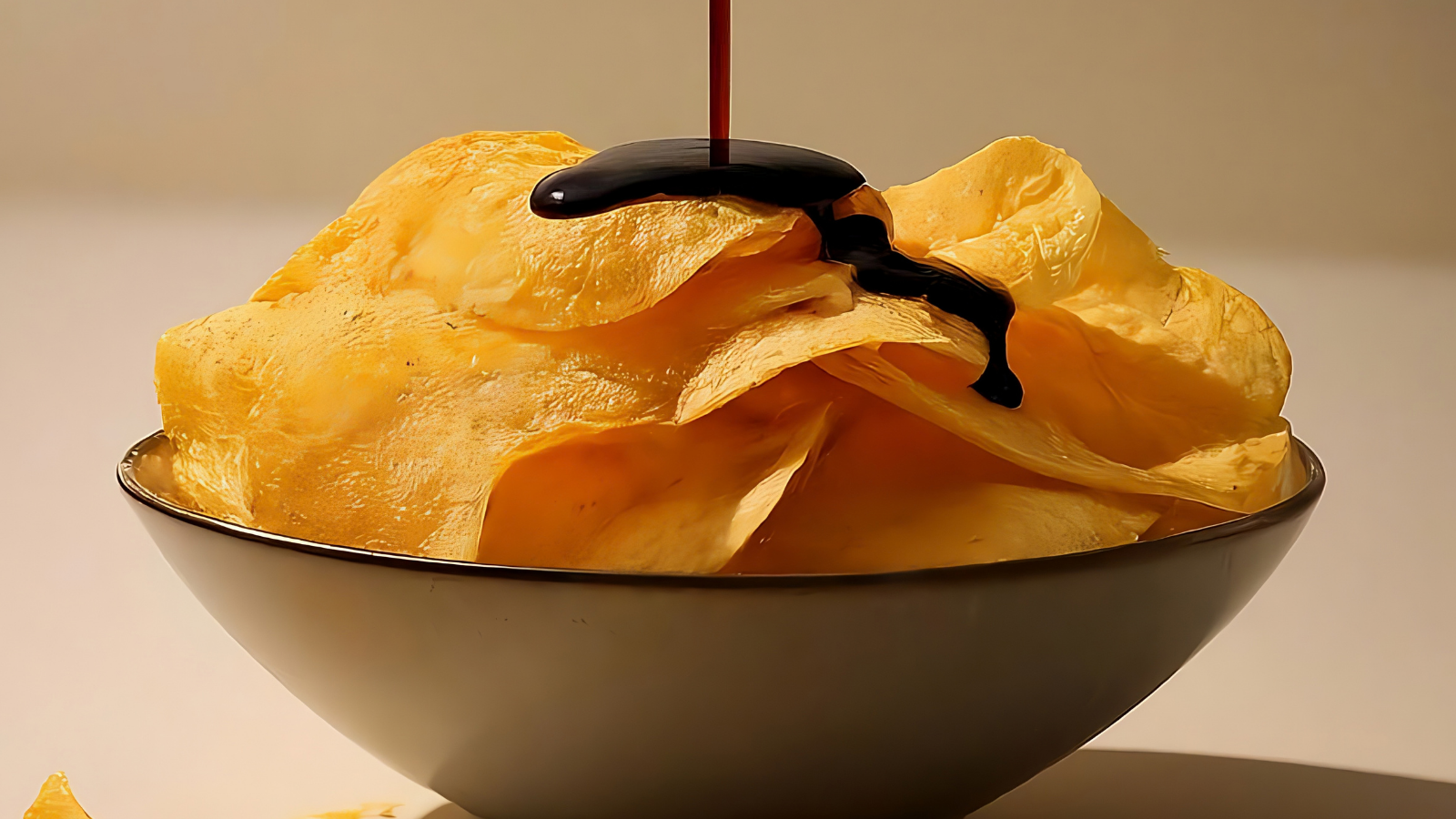
Manufacturers also sell packages in different sizes, including individual portions and large family bags. That can make price comparisons difficult when shoppers focus only on the package cost.
Some earlier snacks have disappeared altogether. A look at discontinued grocery products highlights how certain brands and formats faded from American shelves. The snack aisle continues changing because companies compete to attract customers with new products.
7. Bread
Packaged sliced bread became a familiar convenience product long before many modern supermarket shoppers were born. White sandwich bread was especially common in mid-century households. Today, bread aisles offer numerous alternatives, including whole-grain loaves, sourdough, seeded bread, sprouted-grain products, and different gluten-free options.
Labels can be confusing because the appearance or name of a loaf doesn’t always reveal its ingredients. Checking the ingredient list and fiber content helps shoppers compare products.
Traditional white bread remains widely available. The biggest change is the number of alternatives sold alongside it.
8. Frozen Vegetables
Frozen vegetables have been part of American grocery shopping for generations. Earlier products often emphasized basic items such as peas, corn, carrots, and green beans.
Modern freezer aisles include vegetable blends, cauliflower rice, seasoned vegetables, and products designed for microwave preparation. Some packages can be cooked without transferring the contents to another container.
Freezing can help preserve vegetables for convenient use. The nutritional value depends on the vegetable and how it is processed or prepared. Shoppers should compare ingredient lists, particularly when choosing seasoned products containing sauces or added salt.
Why Supermarket Products Keep Changing
Food companies respond to customer preferences, manufacturing technology, ingredient availability, and competition. A product that sells well for decades may still undergo changes in packaging or formulation. The Smithsonian’s research on supermarkets documents how packaging and convenience transformed American food shopping.
Some changes make everyday cooking easier. Others create more decisions for shoppers who simply want familiar products at reasonable prices. The best approach is to judge a product by its current ingredients, price, and usefulness rather than assuming the older or newer version must be better. A familiar label may carry decades of memories, but the food inside deserves attention too.