10 Most Overrated Celebrities Everyone Pretends to Like
Celebrity culture thrives on the illusion that everyone is adored, talented, and influential, but sometimes the hype overshadows reality. Some stars dominate red carpets, social media feeds, and gossip columns despite producing underwhelming work or showing questionable behavior. We decided to cut through the gloss and highlight ten celebrities whose popularity feels more manufactured than earned.
The following stars may draw crowds, spark conversations, and trend online, but beneath the glitz lies a mix of overrated talent, mediocre performances, or inflated reputations. These are the public figures who are praised more for branding than substance, making them icons in the eyes of fans who might not even realize their admiration is part of the illusion.
Kim Kardashian
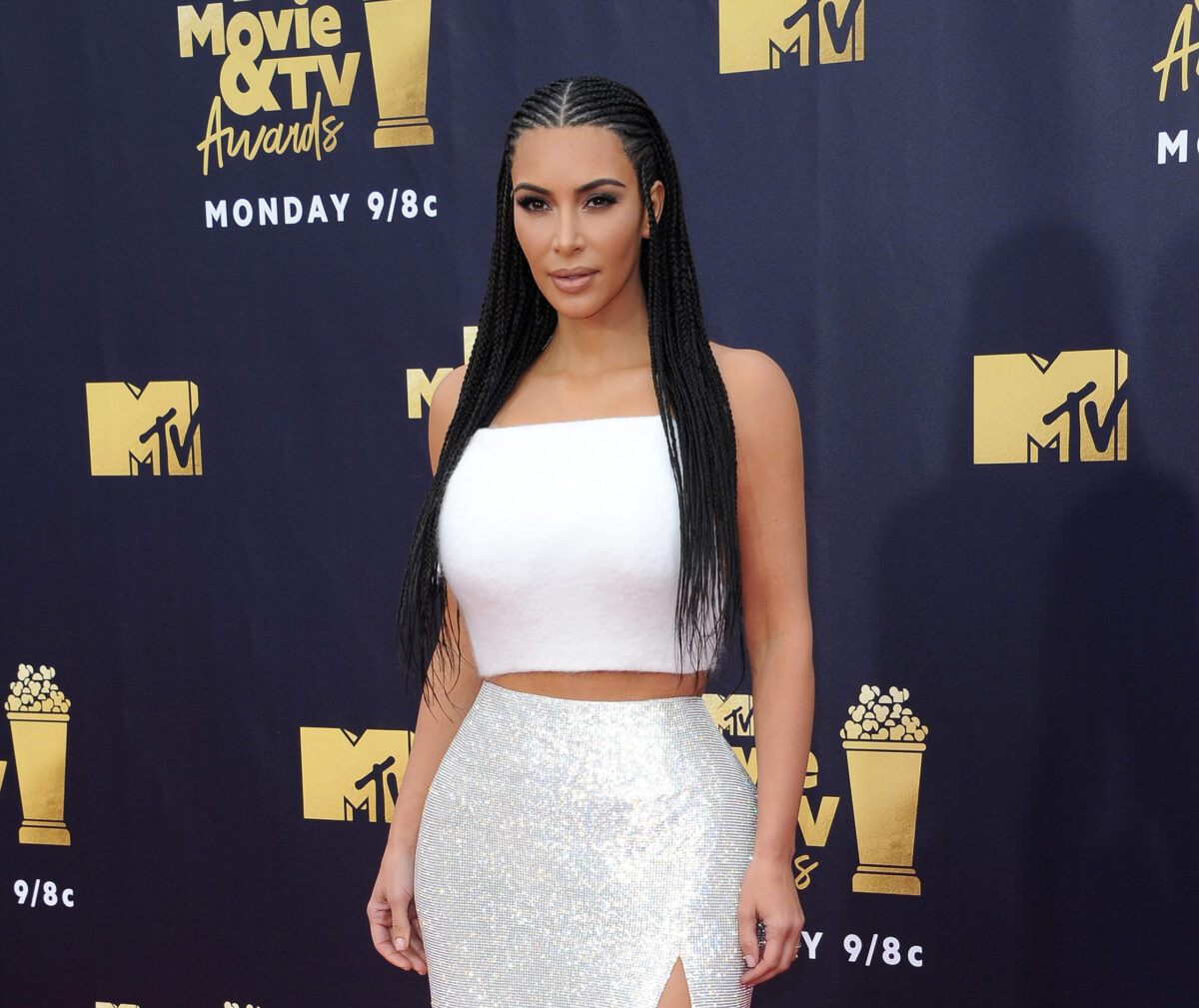
Kim Kardashian has transformed herself into a global brand, but her celebrity roots are more about reality TV spectacle than artistic or professional skill. Social media dominance, business ventures, and endless paparazzi coverage have cemented her status, yet the question remains: is she truly talented or simply expertly marketed? Her fame often overshadows more deserving figures in entertainment, fashion, or advocacy, making her a prime example of hype outweighing substance.
The Kardashian empire thrives on curated appearances and constant attention, from Instagram posts to high-profile partnerships. The media frenzy surrounding her life often eclipses actual achievements, illustrating how image can generate influence even when the skill set might not. Fans’ devotion often conflates visibility with value, which is why her celebrity feels overrated to many observers.
Paris Hilton

Once the quintessential socialite, Paris Hilton gained fame for her persona rather than any discernible craft. From reality TV cameos to a few minor acting stints, her rise hinges on charm, controversy, and savvy self-promotion more than talent. While she undeniably left a lasting cultural footprint, her staying power seems more tied to nostalgia and branding than to enduring achievement.
Paris Hilton epitomizes celebrity built on image and media buzz, where personal allure replaces substantial contribution. The influence she carries is undeniable, but in retrospect, her notoriety might outshine any tangible accomplishment. The fixation on her persona reflects a celebrity culture that values visibility over artistic or professional merit.
Justin Bieber
Once hailed as a pop prodigy, Justin Bieber’s career has been a mix of viral hits and headlines about bad behavior. While he has a devoted fan base, critics often argue that his musical evolution remains limited and that media fascination disproportionately inflates his cultural relevance. The hype surrounding him frequently overshadows more musically accomplished artists of his generation.
Bieber’s early fame set a template where sensationalism often trumps craft. Public scandals, tabloid stories, and highly curated appearances have contributed to a perception of celebrity that overshadows the art itself. His prominence serves as a reminder that notoriety and talent do not always align.
Gwyneth Paltrow
Gwyneth Paltrow’s career blends acting with lifestyle entrepreneurship, but her public image has shifted more toward marketing wellness than cinematic excellence. While she has received accolades, her celebrity is arguably inflated by her brand, Goop, and media attention surrounding her personal opinions. Many feel her stardom is sustained more by savvy self-promotion than by sustained artistic merit.
The wellness industry and celebrity endorsements have amplified Paltrow’s visibility, ensuring she remains relevant despite uneven acting output. The emphasis on lifestyle branding often overshadows actual craft, suggesting her appeal is more strategic than organic. Fans’ admiration can blur the lines between influence and artistic achievement.
Kanye West

Kanye West is undeniably talented, but his public persona often overshadows his musical contributions. From polarizing interviews to controversial actions, the spotlight is frequently on his behavior rather than the work itself. While he has reshaped aspects of modern music, critics argue that the fame surrounding him is inflated by spectacle and self-mythologizing.
West’s creative output is intertwined with controversy, generating media cycles that amplify his presence beyond musical merit. While there are moments of innovation, the celebrity constructed around his persona sometimes overshadows the artistry itself. The result is a perception that his status often exceeds his actual contributions.
Tom Cruise
Tom Cruise is a household name, thanks to decades of blockbuster films, yet his star power can overshadow the unevenness of his performances. While action roles have cemented his commercial appeal, critics note that his range is sometimes limited. Cruise’s fame is bolstered by his cult-like following and media fascination, making him appear larger than his craft alone might justify.
Cruise’s dedication to stunts and promotion has made him iconic, but star worship occasionally eclipses objective evaluation of his skill. The celebrity aura often carries more weight than the actual artistic output, feeding the perception of overrated status. Fans’ reverence may be as much about spectacle as it is about talent.
Lindsay Lohan
Once a promising young actress, Lindsay Lohan’s career trajectory has been derailed by personal struggles and inconsistent projects. Yet the public fascination with her continues, often elevating her cultural relevance despite long gaps in high-quality work. The constant media attention can make her seem more influential than her recent contributions warrant.
The Lohan narrative demonstrates how celebrity longevity can be fueled by notoriety rather than current achievement. Public obsession with her personal life has sometimes overshadowed the absence of professional output, cementing an overrated perception. The fascination persists more for nostalgia and scandal than talent.
Kim Kardashian’s Reality
Other reality stars, such as Nicole “Snooki” Polizzi or the cast of certain social experiments, enjoy fame despite limited skill or artistry. Their appeal is often confined to TV personas and social media antics rather than measurable talent. Celebrity culture amplifies their relevance, creating an illusion of importance disproportionate to any substantive contribution.
The popularity of these figures underscores how visibility, branding, and media coverage can inflate perceived value. These stars often serve as entertainment fodder rather than examples of meaningful achievement, exemplifying overrated celebrity phenomena.
Shia LaBeouf
Shia LaBeouf gained early acclaim, but his public controversies frequently eclipse his acting. Odd public behavior, legal issues, and provocative performance art often dominate headlines more than his film work. Critics suggest his reputation is magnified by spectacle and shock value, which can overshadow the nuance of his craft.
While LaBeouf has moments of genuine artistic ability, the persistent focus on antics instead of talent contributes to his overrated perception. The media machinery around celebrity scandals ensures attention remains on the persona, sometimes at the expense of professional evaluation.
Miley Cyrus

Miley Cyrus is undeniably a pop culture force, yet her celebrity often feels fueled by shocking moments rather than consistent musical or acting excellence. The constant reinvention of her image keeps her in the headlines but may obscure the assessment of her actual skill. Fans’ fixation on spectacle often amplifies her fame beyond the work itself.
Cyrus’s trajectory illustrates how media manipulation and public fascination can sustain notoriety. The perception of influence sometimes stems more from attention-grabbing moments than from sustained achievement, reinforcing her status as overrated.
Conclusion
Celebrity culture is fueled by visibility, branding, and media coverage, often inflating the public perception of talent or importance. The ten figures highlighted above have generated influence and wealth, yet their fame often exceeds the merit of their craft, behavior, or contributions. Understanding the distinction between visibility and substance is crucial for consumers of pop culture. By questioning the mechanisms of celebrity, we gain insight into why some figures are celebrated more for image than for impact.
In the end, recognizing overrated celebrity status is less about disdain and more about understanding the gap between hype and achievement. Public perception can be manipulated, and cultural relevance can exist without substantial accomplishment. Being discerning in fandom helps fans separate true artistry from manufactured allure, ensuring admiration aligns with merit.