10 U.S. Cities Where Crime Rates Are Still Disturbingly High
Crime rankings always come with fine print, but they still make people stop and pay attention. A city can have beautiful neighborhoods, a strong food scene, a rich history, loyal residents, and serious public safety problems at the same time. That is what makes these lists uncomfortable. They do not tell the whole story of a place, but they do reveal where violence remains a heavy part of daily life for too many families.
The latest ranking of big cities with high violent-crime rates puts several familiar names under a harsh spotlight. Some are old industrial giants still wrestling with poverty and population loss. Others are fast-growing cities where nightlife, housing stress, and stretched police resources have created new pressure points. Here are 10 U.S. cities where crime rates remain disturbingly high.
Denver
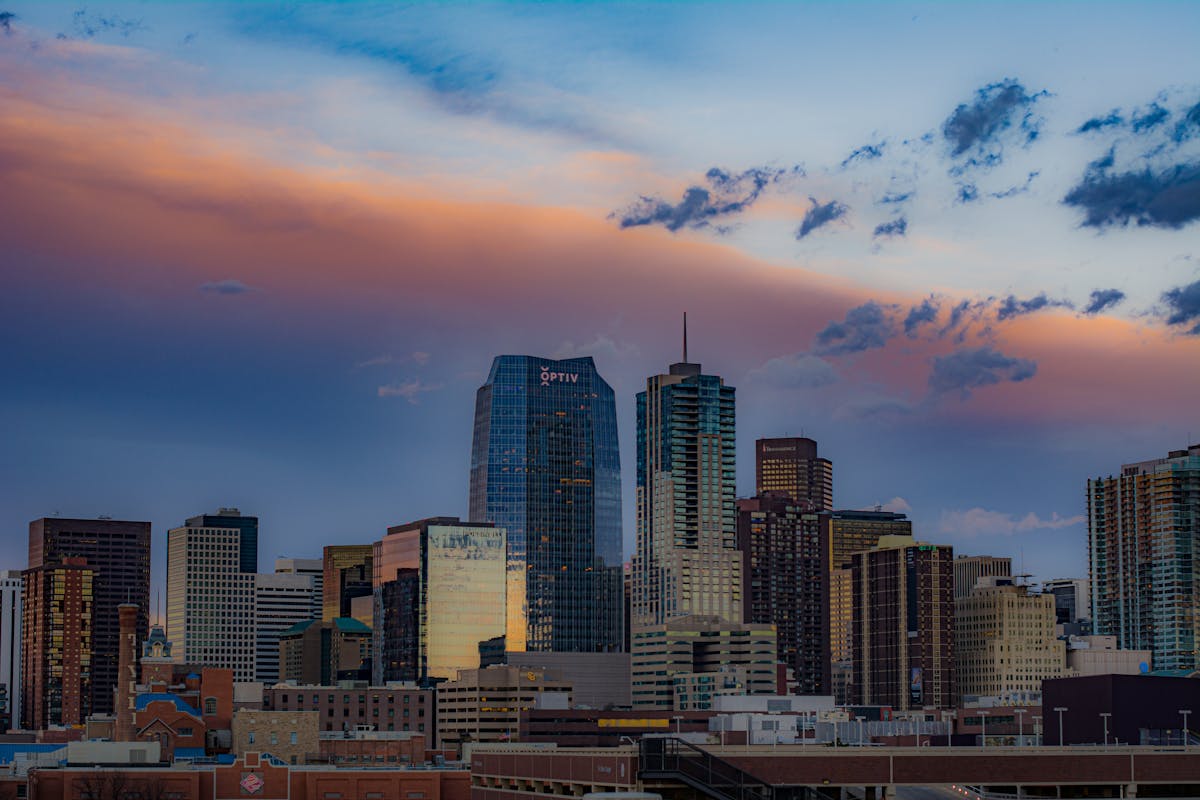
Denver has long sold itself as a clean, outdoorsy, mountain-adjacent dream. For many people, it still is. But Denver’s crime numbers have raised serious concerns, especially amid residents’ complaints about theft, public disorder, and safety concerns in parts of the city.
The tension in Denver comes from the gap between image and reality. People move there expecting fresh air, hiking culture, and a relaxed lifestyle. Then they discover that a booming city can also bring homelessness, drug problems, car theft, and violent crime. Denver is still attractive, but its safety issues have become harder to ignore.
Milwaukee
Milwaukee often gets praised for its lakefront, breweries, festivals, and Midwestern warmth. Yet the city continues to battle high violent-crime rates that hit certain neighborhoods much harder than others. That contrast makes Milwaukee a city of two realities for many people.
In one version, Milwaukee feels lively, affordable, and culturally rich. In the other, residents worry about car thefts, shootings, and street violence that chip away at daily peace. The city’s challenge is not just lowering crime on paper. It must rebuild trust in places where people have learned to expect trouble before help arrives.
Detroit

Detroit has spent years fighting to rewrite its story, and in many ways, it has. New businesses, restored buildings, sports energy, and creative communities have helped bring life back to parts of the city. Still, Detroit’s crime rate remains one of the highest among major U.S. cities, keeping the city stuck between a comeback story and a cautionary tale.
The problem is complicated because Detroit’s struggles did not begin yesterday. Decades of population loss, abandoned properties, economic hardship, and neighborhood disinvestment helped create conditions where crime could take root. The city has made visible progress, but the numbers show how hard it is to rebuild safety after generations of decline.
Washington, D.C.
Washington, D.C., carries a special kind of visibility because it is the nation’s capital. Every crime debate there becomes political almost instantly. But beyond the speeches and headlines, residents face the same basic concerns as anyone else. They want to feel safe walking, driving, working, and raising families.
D.C. has wealthy neighborhoods, powerful institutions, famous landmarks, and communities that have shaped American history. It also has areas where violence and robbery remain serious concerns. The city’s place on this list shows that national power does not protect a city from local problems. Sometimes, it only makes those problems louder.
Baltimore
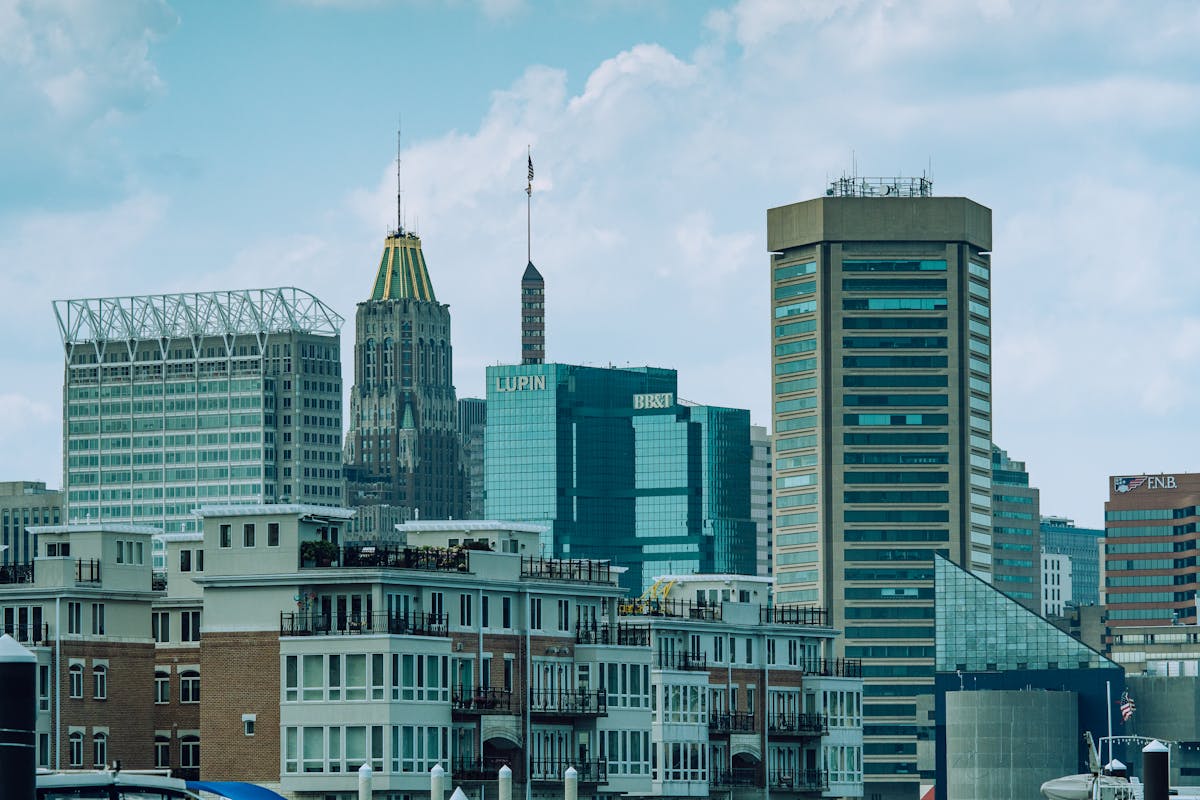
Baltimore is another city where beauty and danger often sit side by side. The Inner Harbor, row houses, crab cakes, universities, and historic neighborhoods give the city a strong identity. Yet Baltimore continues to rank high for violent crime, especially when compared with other large cities.
The pain here is familiar to residents who have watched local leaders promise change again and again. Some neighborhoods deal with shootings, drug activity, robberies, and deep distrust between communities and institutions. Baltimore’s story is not just about crime. It is about what happens when poverty, addiction, weak schools, and public frustration collide for too long.
Kansas City
Kansas City has charm, music, barbecue, sports pride, and a fast-rising national profile. That makes its place on this list even more jarring. Visitors may know the city for ribs and football, but residents know that violence has become a stubborn problem in too many communities.
The city’s crime struggles often center on gun violence and neighborhood-level disputes that escalate quickly. Like many cities on this list, Kansas City does not feel dangerous everywhere. The issue is uneven, concentrated, and deeply local. Still, the ranking shows that the city has a serious public safety problem that lies beneath its growing popularity.
Memphis
Memphis sits at the top of the list, and that is a painful headline for a city with so much soul. This is the home of blues, barbecue, Beale Street, and deep cultural history, but the crime numbers keep dragging the city into a national conversation no mayor wants to lead. Violent crime has become one of the biggest shadows over its reputation.
The challenge in Memphis feels bigger than policing alone. Many neighborhoods face poverty, limited opportunity, and long-running cycles of violence that do not disappear with a few extra patrol cars. For residents, the issue is not an abstract ranking. It is the fear of car break-ins, gun violence, late-night robberies, and the slow exhaustion that comes from feeling unsafe in your own city.
Houston

Houston is huge, powerful, diverse, and ambitious. It has world-class food, major industries, strong immigrant communities, and neighborhoods that feel like cities within the city. But with that scale comes a serious crime challenge, and Houston’s size can make the problem feel difficult to control.
The city’s crime issues are not evenly distributed across all areas. Some communities feel relatively calm, while others deal with more violence, robbery, and street-level tension. Houston’s challenge is the challenge of a booming city that keeps expanding faster than its public systems can manage. Growth brings energy, but it can also bring pressure.
Nashville
Nashville’s rise has been dramatic. The city has become a magnet for tourists, musicians, developers, influencers, and young professionals chasing a fresh start. But behind the rooftop bars and country music glow, Nashville is also dealing with a crime problem that does not fit its polished image.
Rapid growth can strain a city in quiet ways. Housing becomes more expensive, nightlife expands, traffic worsens, and longtime residents can feel pushed aside. When a city changes quickly, public safety can become harder to manage. Nashville’s ranking is a reminder that popularity does not automatically make a city safer.
Albuquerque
Albuquerque’s place on the list may surprise people who mostly picture desert sunsets, Route 66 nostalgia, and mountain views. The city has a distinctive beauty, but crime has become one of its hardest public issues. For years, residents have raised concerns about theft, violent incidents, and a feeling that some parts of the city are slipping.
What makes Albuquerque stand out is how visible the disorder can feel in everyday life. Property crime, homelessness, addiction, and violent crime often overlap in ways that make residents feel surrounded by problems. The city’s charm is real, but so is the frustration of people who want basic safety so they can feel normal again.
Key Takeaway
Crime rankings should never be used to shame entire cities or the people who live there. Every city on this list has families, workers, students, small businesses, artists, and neighborhoods fighting every day to make things better. Still, the numbers matter because they show where public safety has become too serious to ignore.
These cities are not hopeless. Many have strong communities and leaders working on prevention, policing, youth programs, housing, and neighborhood repair. But high crime does not fade away because a city has good restaurants, a nice skyline, or a catchy tourism slogan. It changes when residents can feel safer on the streets they already call home.