Pope Leo XIV Says Immigrants Are One of America’s “Greatest Wealths” in NBC Interview.
The first American pope is drawing from his own family’s immigrant roots to deliver a message about the people, sacrifices, and traditions that helped shape the United States.
Pope Leo XIV is putting America’s immigration debate in a deeply personal frame, saying immigrants represent one of the nation’s greatest sources of strength and wealth. In a recent NBC interview, the Chicago-born pontiff reflected on the role immigrants have played in building the United States, describing migration not only as a political issue but as part of the country’s identity, history, and future.
The pope’s remarks carry added significance because he is the first American to lead the Catholic Church. His own life story reflects the same migration patterns that have shaped millions of American families, giving his comments a personal connection that goes beyond traditional political arguments.
At a time when immigration remains one of the most debated issues in the country, Pope Leo XIV’s message challenges Americans to look at the people behind the headlines. He argues that immigrants are not simply newcomers seeking opportunity. They are workers, entrepreneurs, parents, neighbors, and community builders who have contributed to the nation for generations.
A message shaped by America’s own immigrant story
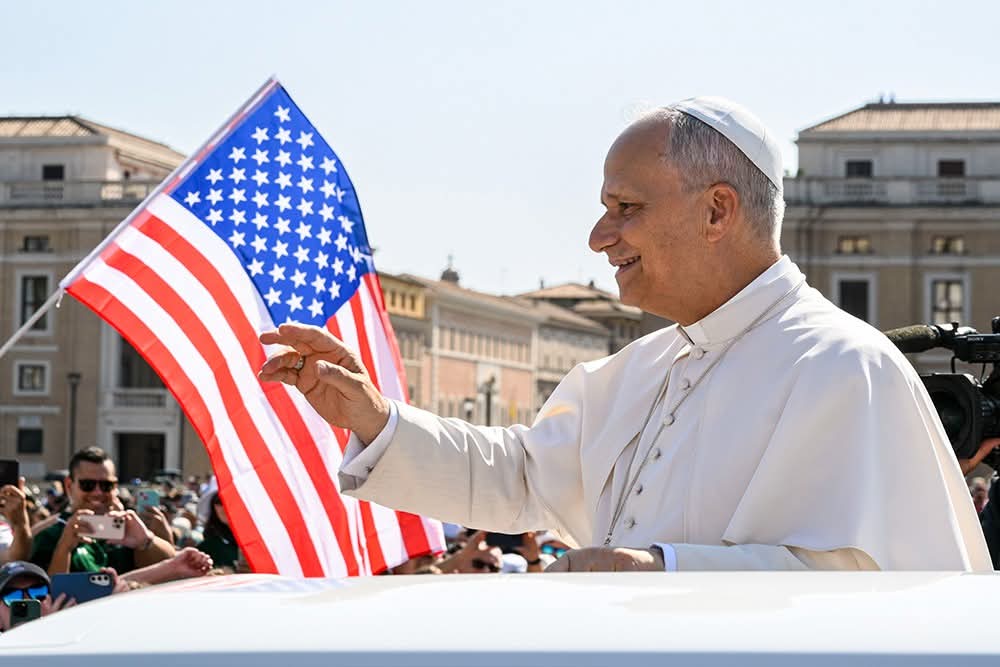
Pope Leo XIV’s views on immigration are closely connected to his own family history, which reflects the complicated and diverse story of America itself. Born Robert Francis Prevost in Chicago, the pope grew up in a city long shaped by waves of immigration from around the world.
Chicago’s history includes generations of immigrants who helped transform the city into one of America’s largest economic and cultural centers. From European communities that arrived in earlier centuries to newer immigrant populations from Latin America, Asia, and Africa, migration has been a defining part of the city’s character.
During the NBC interview, Leo spoke about his family’s roots and the broader history of immigrants in America. He also acknowledged the complexity of the country’s past, noting that his ancestry includes both immigrants and connections to the painful history of slavery.
That personal reflection gave his comments a wider meaning. Rather than presenting immigration as a simple policy debate, the pope framed it as part of the ongoing American story, one filled with both achievements and struggles.
For Leo XIV, the value of immigrants is measured not only through economic contributions but also through the communities, traditions, and relationships they create.
Why immigrants remain central to America’s economy
The pope’s description of immigrants as a national “wealth” reflects a reality that economists and historians have studied for decades: immigration has played a major role in America’s economic growth.
Immigrants have historically filled critical roles across industries, from agriculture and manufacturing to healthcare, technology, construction, and small business ownership. Many immigrant communities have built businesses that provide jobs and strengthen local economies.
Small businesses are one of the clearest examples of immigrant contributions. Across the United States, immigrant entrepreneurs have opened restaurants, technology companies, retail stores, construction firms, and professional services businesses that have become part of everyday American life.
Immigrants also represent a significant share of America’s workforce. Millions work in essential sectors, including healthcare, food production, transportation, and science. Their labor has helped support industries that depend on skilled and dedicated workers.
The pope’s comments highlight a broader point: immigration is not only about people entering a country. It is also about the skills, ideas, and determination those people bring with them.
A different way to view the immigration debate
Pope Leo XIV’s message arrives during a period when political conflict, border security concerns, and policy disagreements often dominate immigration discussions. His approach shifts attention toward the human experiences behind those debates.
For many immigrants, the decision to leave their home country involves difficult sacrifices. Families often leave behind familiar communities, languages, and traditions in search of safety, education, or economic opportunity.
The United States has experienced similar waves of migration throughout its history. Irish immigrants arrived during the 19th century facing discrimination and poverty. Italian communities built neighborhoods and businesses despite facing prejudice. Later generations of immigrants from Asia, Latin America, and Africa continued adding new chapters to the American story.
Each wave of migration brought challenges, but it also changed the country. Immigrants introduced new foods, cultural traditions, businesses, and ideas that became part of American life.
Leo XIV’s message reflects this historical pattern. He argues that immigration should be viewed through a broader lens that recognizes both the challenges and the contributions.
The first American pope brings a unique perspective.
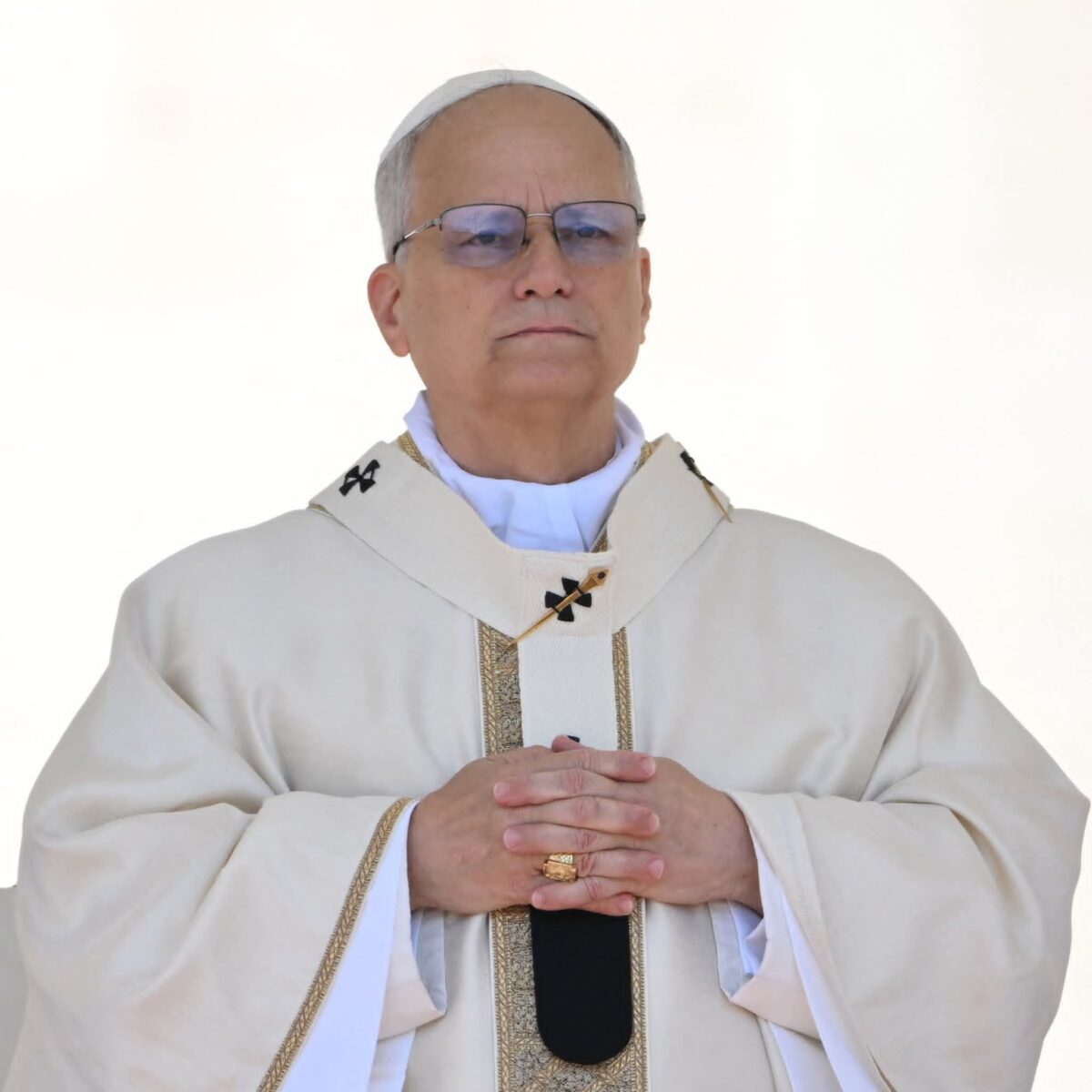
Pope Leo XIV’s position gives his comments unusual importance because he understands immigration both as an American experience and as a global issue.
Before becoming pope, Leo spent decades serving the Catholic Church around the world, including significant time working in Peru. His international experience exposed him to migration issues beyond the United States and gave him a wider understanding of the challenges faced by displaced and vulnerable communities.
The Catholic Church has long emphasized the dignity of migrants and refugees, encouraging nations to balance border responsibilities with humanitarian concerns. Leo’s comments continue that tradition while adding his own perspective as an American leader.
His background also makes his message resonate differently among American Catholics, many of whom come from immigrant families themselves. The Catholic population in the United States has been shaped by generations of migration, including communities from Europe, Latin America, Africa, and Asia.
For some Americans, the pope’s words represent a reminder of their own family histories. For others, they reopen difficult questions about how the country should manage immigration in the future.
Immigration, identity, and the future of America
At the heart of Pope Leo XIV’s message is a question about what defines America: its borders alone or the people who have helped build it.
The United States has always had a complicated relationship with immigration. The country has welcomed newcomers while also experiencing periods of restriction and debate over who should be allowed to enter.
That tension continues today as policymakers debate border enforcement, legal immigration pathways, worker shortages, and humanitarian protections.
However, Leo’s comments suggest that the conversation should include more than government policies. He is asking Americans to consider the human and historical dimensions of migration.
Immigrants have helped shape neighborhoods, strengthen industries, and influence American culture. Their stories often mirror the larger story of the nation itself: people arriving with uncertainty but contributing through hard work and perseverance.
The pope’s message does not erase the challenges connected to immigration, including the need for effective laws and organized systems. Instead, it emphasizes that immigrants should be viewed as people with potential, dignity, and the ability to contribute.
A message likely to continue sparking debate
Pope Leo XIV’s statement that immigrants are among America’s “greatest wealths” is likely to remain part of the national conversation because it touches one of the country’s most enduring debates.
Supporters of stronger immigration restrictions may focus on concerns about border management and government resources. Immigration advocates may point to the economic and cultural benefits migrants bring.
But beyond the political arguments, Leo’s message focuses on a larger idea: nations are shaped by the people who build them.
The first American pope is using his unique position to highlight a familiar but often overlooked reality. Many of the people who helped create America’s cities, industries, and communities came from somewhere else.
His words serve as both a reflection on the past and a challenge for the future. As America continues debating immigration, Pope Leo XIV is urging the country to remember that behind every migration story is a human story, and those stories have played a central role in shaping the nation.