Todd Blanche Confirmation Vote Delayed as Trump IRS Settlement Sparks Republican Concerns
The Todd Blanche confirmation vote has become a major test of trust, accountability, and presidential power after Republican senators delayed his path toward becoming attorney general over unresolved questions surrounding a controversial Trump IRS settlement.
A Cabinet nomination rarely becomes a debate about the limits of executive power, but the Todd Blanche confirmation vote has evolved into exactly that. The former Trump defense attorney is facing unexpected resistance from members of his own party, who are demanding written assurances before allowing his nomination to advance. At the center of the dispute is a settlement involving President Donald Trump, the Internal Revenue Service, and a proposed billion-dollar fund that has raised questions about fairness, oversight, and the Justice Department’s independence.
The Senate Judiciary Committee postponed its vote on Blanche’s nomination after Republican Sens. John Cornyn of Texas and Thom Tillis of North Carolina said they needed additional commitments from the Justice Department. Their concerns focus on the structure of the Trump IRS settlement, particularly the Anti-Weaponization Fund and provisions related to IRS audits involving Trump, his family members, and affiliated businesses.
The delay has created a politically unusual situation. The biggest challenge facing the Todd Blanche confirmation vote is not Democratic opposition but Republican senators who argue that the agreement requires clearer limits. Their objections have transformed a routine confirmation process into a broader debate about how government power should be used when personal and public interests overlap.
A Nomination Becomes a Test of Independence and Loyalty

The Todd Blanche confirmation vote carries unusual weight because of Blanche’s personal history with President Trump. Before joining the Justice Department, Blanche served as Trump’s personal criminal defense attorney in several high-profile legal cases. His transition from private counsel to one of the country’s most powerful legal positions has attracted both support and scrutiny.
Supporters argue that Blanche brings extensive legal experience to the role. He previously worked as a federal prosecutor and later managed major Justice Department responsibilities as deputy attorney general. They point to his background as evidence that he understands the demands of leading a department responsible for federal law enforcement.
However, critics have focused on the difficult balance Blanche would face as attorney general. The position requires independence from political pressure, including situations where the interests of a president and the government may not always align. The Trump IRS settlement has become a central example because Blanche played a role in the Justice Department’s response to a matter involving his former client.
During his confirmation hearing, Blanche insisted that he would not act as a personal representative for Trump while serving as attorney general. He stated that he was not a “yes man” and emphasized his commitment to the Constitution and the rule of law. The ongoing dispute over the settlement has made those statements central to the confirmation debate.
The situation reflects a recurring issue in American politics: how nominees with close relationships to presidents demonstrate independence once they enter government. Similar questions emerged during previous administrations when attorneys general faced criticism over perceived loyalty conflicts. The Blanche nomination now sits within that broader historical conversation.
The Settlement That Turned a Tax Dispute Into a National Debate
The controversy surrounding the Todd Blanche confirmation vote began with a serious violation of taxpayer privacy. Former IRS contractor Charles Littlejohn admitted to illegally accessing and disclosing confidential tax information. His actions resulted in a federal criminal case and a prison sentence, highlighting legitimate concerns about protecting sensitive taxpayer records.
President Trump later filed a lawsuit against the IRS and Treasury Department over the disclosure of his tax information. The dispute eventually produced a settlement between Trump and executive branch agencies. While the original lawsuit focused on privacy violations, the agreement expanded into a much broader arrangement involving government accountability claims.
One of the most controversial elements was the creation of the Anti-Weaponization Fund, valued at approximately $1.776 billion. Supporters argued that the fund could compensate individuals who believed they had been unfairly targeted by government agencies. Critics questioned why a tax privacy dispute had expanded into a large compensation program covering broader allegations.
The fund’s size and structure attracted immediate attention. Lawmakers raised concerns about oversight, eligibility standards, and whether the program could become a mechanism for rewarding politically connected individuals. The debate became less about the original tax leak and more about whether executive power could create a significant financial program through a settlement agreement.
The dispute also highlighted a larger question about government settlements. Federal agreements often resolve specific legal conflicts, but this settlement reached into areas involving alleged government misconduct and political grievances. That expansion created the foundation for the Senate concerns now blocking the Todd Blanche confirmation vote.
Why Two Republican Senators Put the Brakes on Blanche
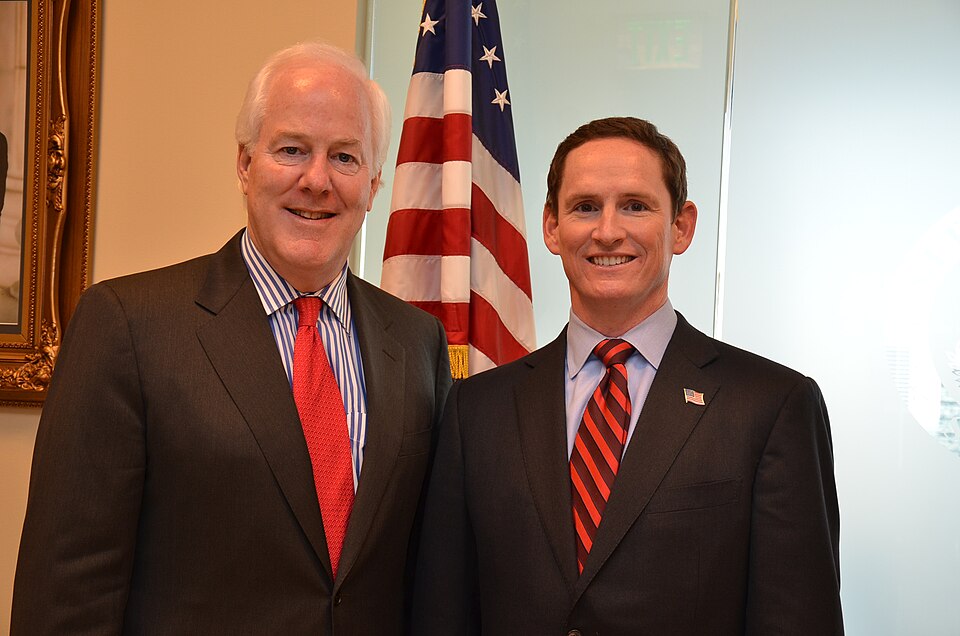
The most unexpected development in the Todd Blanche confirmation vote is that the resistance has come from within the Republican Party. Sens. John Cornyn and Thom Tillis have not argued that Blanche lacks legal experience. Instead, they have focused on whether the Justice Department has adequately addressed concerns surrounding the IRS settlement.
Both senators have requested written changes rather than verbal commitments. Their position reflects a basic legal principle: agreements are changed through formal documents, not informal conversations. They argue that future officials should not have to rely on statements made during a confirmation process when the underlying settlement language remains unchanged.
Tillis has specifically called for the Anti-Weaponization Fund to be eliminated and for the settlement’s IRS provisions to be narrowed. Cornyn has also demanded clearer documentation explaining which protections remain and how the agreement will operate going forward. Their demands have delayed the committee vote because Republican leaders do not want to advance a nominee without sufficient support.
The administration has responded by arguing that negotiations are ongoing and that concerns have been addressed. Officials have criticized Cornyn’s position and suggested that negotiations have become increasingly difficult. Cornyn has rejected those accusations, saying his concerns relate to the Senate’s responsibility to carefully review executive nominations.
The dispute demonstrates how narrow committee margins can give individual senators significant influence. When a nomination depends on unified party support, even a small number of objections can create a major delay. The Todd Blanche confirmation vote has become an example of how internal party disagreements can shape Washington’s most important appointments.
Courts Raised Questions Before the Senate Took Action
The Senate’s concerns emerged after courts had already examined parts of the Trump IRS settlement. The Anti-Weaponization Fund faced legal challenges that questioned its structure and the government’s authority to create such a program. A federal judge later blocked the fund, increasing pressure on the Justice Department to address the controversy.
The administration eventually indicated that it would not move forward with the fund. However, senators argued that stopping implementation was different from formally changing the agreement. Their concern centered on whether future officials could revive the program unless the settlement language itself changed.
A separate judicial ruling added further complications. A federal judge criticized the circumstances surrounding the IRS settlement and questioned whether the agreement represented a normal dispute between opposing parties. The ruling increased scrutiny because the president had negotiated with agencies under his own executive authority.
These legal developments placed additional pressure on the Todd Blanche confirmation vote. Senators were no longer reviewing only political arguments. They were considering an agreement that had already attracted significant judicial attention.
The involvement of the courts also highlights a broader constitutional question. The American system depends on separate institutions checking each other’s authority. When executive agencies, courts, and Congress examine the same agreement, disagreements often reveal deeper questions about government accountability.
The Audit Protection Debate Raises Bigger Questions

Although the Anti-Weaponization Fund has received the most public attention, the IRS audit provisions may represent the more difficult issue for Blanche’s nomination. The settlement included language affecting certain IRS actions involving Trump, his family members, and related entities connected to past tax filings.
The administration has argued that the agreement does not prevent future IRS enforcement. However, senators have questioned whether the language creates protections that go beyond what ordinary taxpayers receive. Their concern focuses on whether any president should receive special treatment from a federal agency responsible for enforcing tax laws.
The debate touches on a fundamental principle of government fairness. The IRS operates under rules designed to apply equally across political parties, income levels, and social groups. Any agreement that appears to create different standards for elected officials naturally attracts greater scrutiny.
The issue also carries historical significance. Previous presidents have faced questions about financial transparency, tax disclosures, and potential conflicts of interest. The Trump IRS settlement adds a new dimension because it involves an active president negotiating with executive agencies that ultimately answer to him.
For the Todd Blanche confirmation vote, the audit provisions represent a challenge that cannot easily be solved through political messaging. Senators are asking for specific legal boundaries that future administrations would also have to respect.
The Future of Blanche’s Nomination Depends on Written Answers
The next stage of the Todd Blanche confirmation vote depends largely on whether the Justice Department can satisfy Republican concerns. A revised agreement addressing the disputed provisions could allow the nomination to return to the Judiciary Committee.
The administration’s challenge is finding language that preserves its position while addressing lawmakers’ concerns. Senators are seeking permanent changes, not temporary explanations. That distinction has become the heart of the dispute.
If Blanche advances, the full Senate will face its own decision about his qualifications, independence, and relationship with the president. The committee delay has already shaped the public discussion by placing questions about the Justice Department’s independence at the center of his nomination.
The controversy surrounding the Todd Blanche confirmation vote reflects a larger debate about the role of government institutions in a divided political environment. Americans often expect attorneys general to serve presidents while also protecting the independence of the legal system.
The final outcome will determine whether Blanche moves into the nation’s top law enforcement role, but the questions raised during this process will likely continue beyond one nomination. The deeper issue is how a democracy maintains trust when legal authority, presidential power, and personal interests meet in the same room.