Mamdani’s 30% Grocery Discount Plan Faces Pushback as Critics Question NYC’s $70 Million Store Proposal
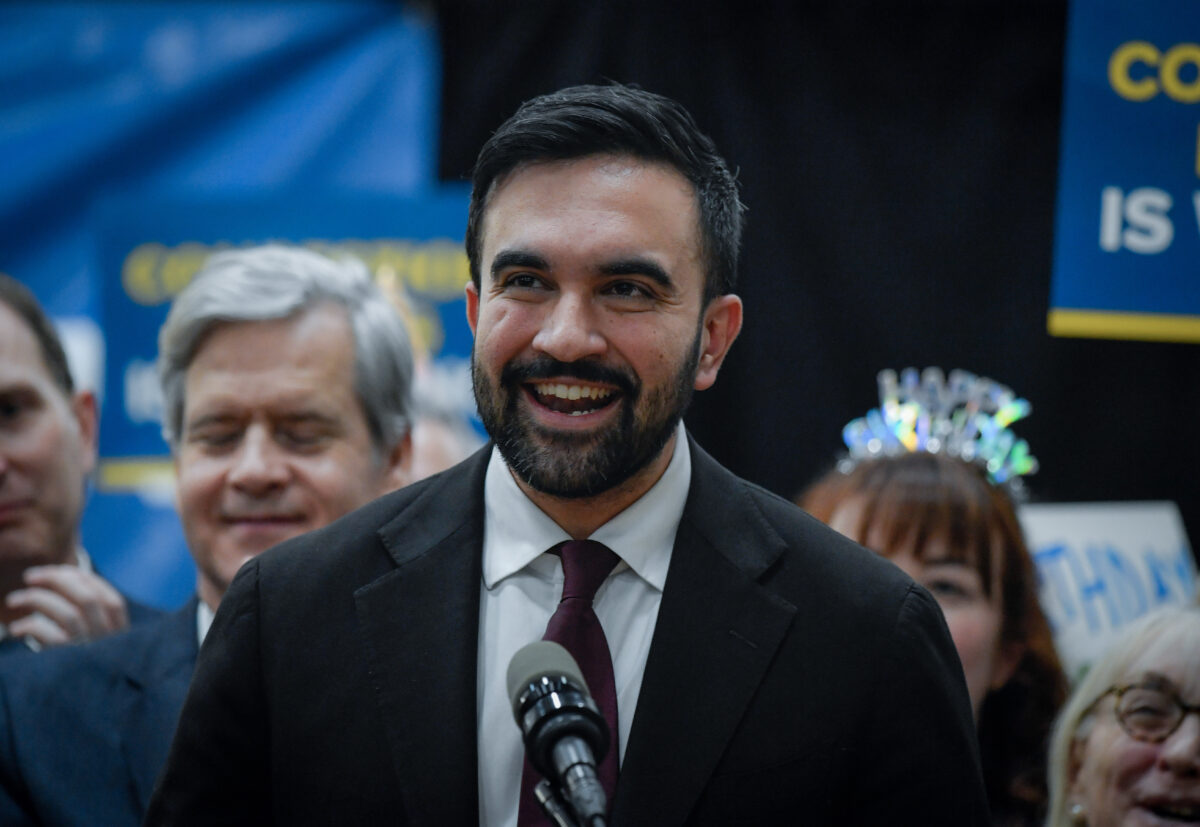
Metropolitan Transportation Authority, CC BY 4.0, via Wikimedia Common Licensed under Zohran Mamdani in 2026
A promise to make groceries cheaper has turned into one of New York City’s biggest economic debates, with Mayor Zohran Mamdani’s public grocery store plan drawing both support from shoppers worried about food prices and criticism from opponents who question whether taxpayers will ultimately pay the bill.
The proposal, which calls for five municipal grocery stores across New York City, is built around a simple idea: use city-backed stores to sell everyday essentials at lower prices. Mamdani’s administration says a core basket of groceries, including fresh produce, meat, seafood, dairy products and pantry staples, would be priced about 30% below comparable market prices.
But as the plan moves from campaign promise to policy proposal, the debate has shifted from the price shoppers will see at checkout to a bigger question: how much will the program cost, and who will ultimately pay for it?
A Grocery Plan Built Around New York’s Affordability Crisis
For many New Yorkers, grocery prices have become a daily financial pressure. Rising housing costs, transportation expenses, and higher food bills have pushed affordability to the center of city politics.
Mamdani’s grocery initiative is part of a broader affordability agenda aimed at reducing household expenses. The mayor has argued that city action is needed because traditional market forces have not provided enough relief for working families.
Under the plan announced by the city, the five municipal grocery stores would operate in all five boroughs. The stores would focus on basic grocery items rather than specialty products, with discounts targeting products many households purchase regularly.
The administration says the goal is not simply to create another supermarket chain but to create a new model where the city uses its resources to reduce costs for residents.
How Mamdani’s Public Grocery Stores Would Work
Despite being described by critics as government-run supermarkets, the proposed stores would not function like traditional government agencies selling groceries directly.
According to reporting on the plan, the city would provide support for locations and affordability measures, while private operators would handle daily grocery operations such as staffing, inventory and management.
The administration has said the stores would avoid selling certain products commonly associated with neighborhood bodegas, including alcohol, cigarettes and prepared hot food. The goal, officials say, is to reduce concerns that the city would directly compete with small convenience stores.
Supporters see the model as a way to use public resources to address food affordability without replacing the entire private grocery industry.
Critics Say the Numbers Raise Bigger Questions

The strongest criticism of the plan centers on economics.
Opponents argue that grocery stores typically operate with tight profit margins, making a guaranteed 30% discount difficult without significant outside support. Fox News reported that critics have questioned whether the savings would come from true efficiency or from taxpayer subsidies covering the difference.
The city has announced a $70 million capital commitment connected to the grocery initiative, but critics say the long-term financial picture remains one of the biggest unanswered questions. They want more details about ongoing operating costs, future subsidies, and how the city would measure success.
The central economic debate is straightforward: supporters argue the city is investing in lower grocery bills, while opponents argue the discount may shift costs from shoppers to taxpayers.
Small Grocery Owners Fear a New Competitor
The controversy is not only about government spending. It is also about the effect on existing neighborhood businesses.
New York’s bodegas and independent grocery stores operate in communities where many residents already rely on them for daily shopping. Some business owners worry that a city-supported grocery store offering significantly lower prices could put additional pressure on retailers already dealing with high rent, labor costs and competition from large chains.
The administration has argued that the stores will be placed in areas where residents need more affordable food options rather than simply competing with existing retailers.
Still, critics say the city must consider whether helping current small businesses expand access to affordable food would be a better approach than creating publicly supported competitors.
The $90 Monthly Savings Promise Under Scrutiny
One of the most attractive parts of Mamdani’s proposal is the promise of meaningful household savings.
City officials have estimated that shoppers could save around $90 per month through the discounted grocery basket. Supporters say that amount could make a noticeable difference for families struggling with high living costs.
However, critics have questioned how those savings will be calculated and whether every household would experience the same benefit.
A family that purchases most of its groceries from the municipal stores could see larger savings than someone who only buys a few discounted items. The final impact will depend on store locations, product availability, customer demand and operating performance.
A Political Fight Over the Role of Government

Beyond groceries, the debate reflects a much larger argument about the role government should play in everyday life.
Supporters argue that essential goods like food deserve public attention when prices become too difficult for many residents to manage. They point to the city’s ability to use its purchasing power and resources to create lower-cost options.
Critics see the proposal differently. They argue that government should focus on policies that encourage competition and reduce barriers for private businesses rather than entering the retail market.
The disagreement has made the grocery plan a symbol of a broader national debate over affordability, public investment and the limits of government intervention.
The Real Test Will Come After the Stores Open
For now, Mamdani’s grocery plan remains an experiment waiting for its results.
The success or failure of the initiative will likely depend on measurable outcomes: whether shoppers actually save money, whether stores remain financially sustainable, whether local businesses are affected, and whether taxpayers believe the investment produced meaningful benefits.
The debate is unlikely to end before the first grocery shelves are stocked. For supporters, the plan represents a new attempt to tackle one of New York’s biggest challenges. For critics, it represents a costly government experiment that must prove its value.
Either way, the city’s grocery stores will become a closely watched test of whether public policy can successfully reshape the everyday cost of living.