Thom Tillis Turns on Pete Hegseth as Iran War Fuels a Growing GOP Revolt
Defense Secretary Pete Hegseth is facing one of the most damaging attacks of his tenure, and this time it is not coming from Democrats. Republican Senator Thom Tillis of North Carolina says Hegseth has lost his confidence as the war with Iran stretches toward a fifth month, consumes billions of dollars and raises fresh questions about Pentagon leadership.
The criticism lands with extra force because Tillis voted to confirm Hegseth in January 2025. The Senate split 50 to 50, forcing Vice President JD Vance to cast the tie-breaking vote. At the time, Tillis praised Hegseth’s military background and said he looked forward to working with him to rebuild the armed forces. Now, his language could hardly be more different.
Tillis Delivers a Blistering Verdict on Hegseth
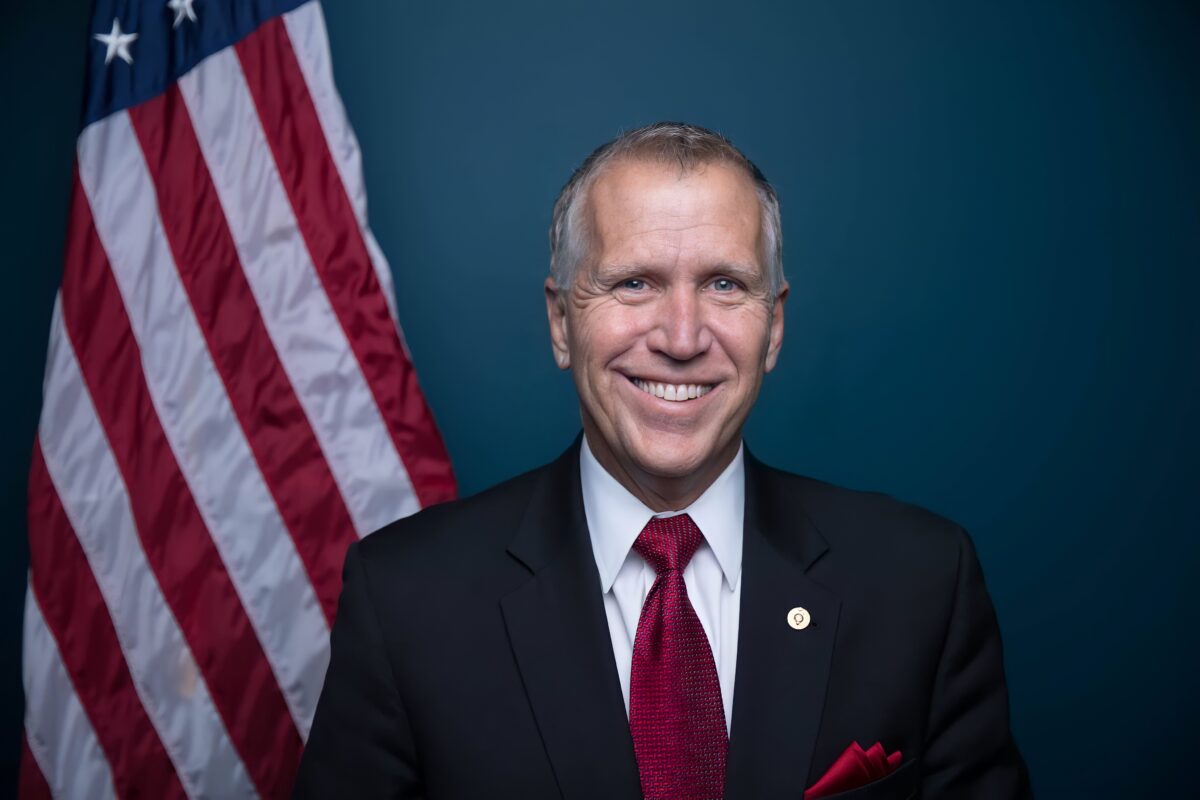
“I don’t have any confidence in him anymore,” Tillis told The Hill, adding that Hegseth appeared “all over the place.” He accused the defense secretary of micromanaging the Pentagon, lacking experience with large organizations and pushing distinguished military leaders into retirement. His final judgment was blunt: “He’s lost my confidence.”
Tillis also described what he viewed as internal power struggles among Hegseth and senior service officials, comparing the atmosphere to “Game of Thrones.” His concern was not simply that personalities were clashing. He argued that forcing out experienced commanders could weaken decision-making at the precise moment the United States needs steady military planning.
One of the most closely watched departures was Gen. Christopher Donahue, who relinquished command of U.S. Army Europe and Africa in early July. The Army credited Donahue with strengthening NATO planning and developing the Eastern Flank Deterrence Initiative. Senator Susan Collins of Maine called the personnel changes “deeply troubling” and pressed the administration for more information about its strategy and endgame in Iran.
Tillis suggested that other Republican senators may also be close to openly breaking with Hegseth. That warning matters because criticism from within the president’s party can quickly become a funding problem, an oversight problem and, eventually, a political survival problem. Hegseth does not merely need television appearances and White House praise. He needs Republican votes in Congress.
A Costly War Is Sharpening the Questions
The backlash is unfolding as the financial and human costs of the Iran conflict continue to climb. During a July 21 Senate Appropriations Committee hearing, Hegseth estimated that the war had cost $37.5 billion. He argued that additional funding was urgently needed and warned lawmakers, “Without these funds, we face critical shortfalls.”
The administration’s supplemental request would send roughly $67 billion to the Pentagon for munitions, operations and other military needs. Congress is considering the request while also confronting rising fuel prices, disrupted shipping and growing anxiety over American military readiness. It was reported on July 22 that 18 U.S. service members had been killed and more than 430 wounded.
The Strait of Hormuz has become a particular source of anger. The waterway is one of the world’s most important energy routes, and repeated disruptions have exposed how quickly a regional war can reach American wallets. An unnamed Republican senator told The Hill that the administration may have miscalculated the conflict’s duration, Iran’s willingness to strike neighboring countries and Tehran’s ability to threaten shipping.
That assessment cuts directly into the administration’s early confidence. What was presented as a demonstration of overwhelming American power has evolved into a long, expensive contest with no simple finish line. Lawmakers are now asking whether military planners properly anticipated Iran’s response, whether the Pentagon has a workable endgame and how much more Congress will be asked to spend.
Hegseth has rejected claims that the operation is a failure. During the Senate hearing, he accused critics of smearing the sacrifices of American troops and insisted the campaign had badly damaged Iran. He argues that the military has prevented Tehran from advancing toward a nuclear weapon and that withholding funds would make an already dangerous mission harder.
Trump Stands by Hegseth, but Pressure Is Building

President Donald Trump has not joined Tillis in criticizing the defense secretary. Asked whether he was frustrated with Hegseth’s advice on Iran, Trump said Hegseth had “done a great job.” The president also argued that U.S. military pressure had pushed Iran toward negotiations.
Hegseth still has powerful defenders on Capitol Hill. Senate Armed Services Committee Chairman Roger Wicker has urged the administration to finish the mission. At the same time, Texas Senator John Cornyn has argued that the United States should use its military advantage to reopen the Strait of Hormuz. Their position is that hesitation could reward Iran and weaken American deterrence.
Still, Tillis has changed the political temperature. This is no longer a familiar partisan fight in which Democrats attack a Republican Cabinet secretary and Republicans automatically close ranks. A senator who helped put Hegseth in office is now questioning his judgment, management style and treatment of senior commanders.
Tillis is also retiring from the Senate, which gives him more freedom to criticize the administration without worrying about a Republican primary. That does not make his complaints less important. It may make them more revealing, especially if other GOP senators share the concerns but are not yet prepared to say so publicly.
For Hegseth, the immediate challenge is bigger than surviving a harsh news cycle. He must persuade Congress that the Pentagon has a credible strategy, that leadership changes are improving rather than hollowing out the military, and that tens of billions in new spending will move the war toward a defined conclusion.
Until those answers arrive, Tillis’s words will hang over the Pentagon. The senator once saw Hegseth as an unconventional choice who could modernize the military. Now he sees a secretary overwhelmed by the job. That reversal may become the clearest sign yet that the Iran war is not only draining American resources. It is also draining Republican confidence in the man running the Pentagon.