10 Dark Cold War Operations That Still Feel Disturbing Today
The Cold War was not just a battle of speeches, flags, missiles, and angry men staring across borders. It was a shadow war where governments tested how far they could go when fear became policy and secrecy became permission. Behind the public talk of freedom, security, and national survival, some operations crossed lines that still feel chilling decades later.
These operations were not all the same. Some involved coups, secret tunnels, mind experiments, assassination plots, propaganda, military deception, and plans so reckless they sound fictional. The darkest part is that many were real, documented, and defended in the name of stopping the other side.
Operation MKULTRA

MKULTRA remains one of the most disturbing Cold War projects because it turned human minds into secret laboratories. The CIA program explored drugs, hypnosis, sensory deprivation, and other methods that officials believed might help with interrogation or mind control. Many subjects reportedly lacked full knowledge of what was happening to them, which makes the operation feel less like research and more like a quiet violation cloaked in science.
The project became infamous because it showed how fear of enemy brainwashing could push a democracy into its own moral darkness. Britannica describes MKULTRA as an illegal CIA mind-control program that used methods such as LSD, electroshock, hypnosis, and sensory deprivation.
Operation Ajax
Operation Ajax helped overthrow Iran’s elected Prime Minister Mohammad Mosaddegh in 1953, and its effects echoed for generations. The coup was driven by Cold War fears, oil interests, and the belief that Iran might drift too close to Soviet influence. What made it dark was not just the covert action itself, but the long political wound it left behind.
A foreign-backed power move reshaped Iran’s future and helped deepen distrust between Iran and the West. Declassified records later confirmed that the CIA planned and helped implement the coup, making it one of the clearest examples of Cold War interference in another nation’s political life.
Operation Paperclip
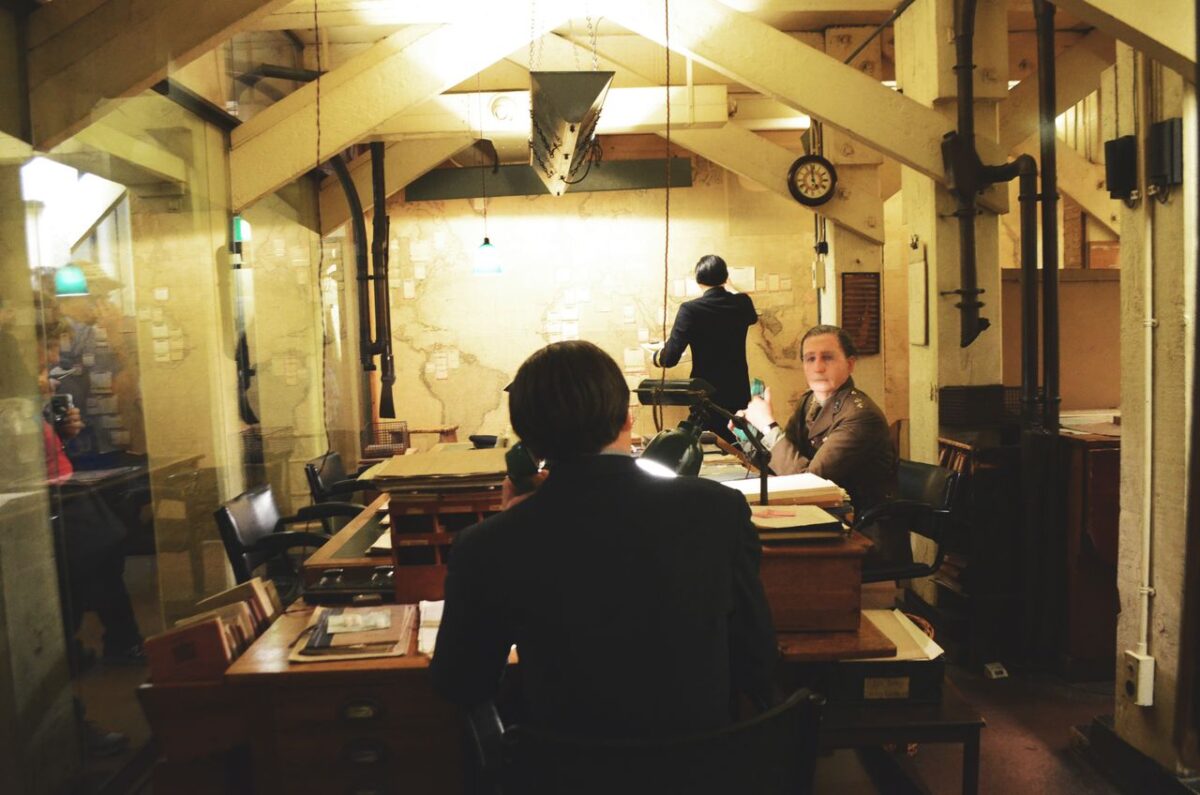
Operation Paperclip exposed one of the Cold War’s ugliest bargains. After World War II, the United States brought German and Austrian scientists, engineers, and technicians to America because their knowledge was too valuable to let the Soviets take. The problem was that some of these experts had links to the Nazi system, which made the operation morally explosive.
In the rush to win the space race and military technology race, justice often looked negotiable. The Smithsonian notes that the program, first known as Project Overcast, brought German and Austrian specialists to the United States after the war, with official goals tied to postwar military and technological needs.
The Bay of Pigs Invasion
The Bay of Pigs invasion was a failed attempt to overthrow Fidel Castro’s government in Cuba, but its darkness came from the reckless confidence behind it. In April 1961, CIA-trained Cuban exiles landed in Cuba expecting support and momentum that never truly came.
The operation collapsed quickly, leaving many fighters captured or dead, and it pushed Cuba closer to the Soviet Union. It also helped set the stage for even more dangerous confrontations between Washington, Havana, and Moscow. The U.S. State Department’s historical summary describes the failed invasion and explains that later Operation Mongoose was designed to remove Castro after the Bay of Pigs failed.
Operation Mongoose
Operation Mongoose was darker because failure at the Bay of Pigs did not end the obsession with Cuba. Instead, officials pursued a wider campaign of pressure, sabotage, intelligence work, psychological operations, and proposed plots against Cuban leaders. The plan showed how quickly Cold War policy could shift from diplomacy to destabilization.
It also unfolded near the Cuban Missile Crisis, when the world was already standing close to nuclear disaster. State Department records describe Operation Mongoose as a coordinated program involving political, psychological, military, sabotage, and intelligence operations, along with proposed assassination attempts against key leaders, including Castro.
Operation Northwoods

Operation Northwoods is disturbing because it was not simply a spy plan. It proposed creating or staging violent pretexts that could justify U.S. military action against Cuba. The idea that officials considered deception involving civilian fear and manufactured outrage remains deeply unsettling. Even though the plan was rejected, its existence reveals how extreme Cold War thinking could become when leaders wanted public support for intervention.
Northwoods matters because it shows that some of the most dangerous operations are the ones that never happen, yet still reveal what powerful people were willing to imagine. Declassified material preserved by the National Security Archive shows the plan centered on justification for U.S. military intervention in Cuba.
Operation Condor
Operation Condor was a brutal campaign of cross-border repression in South America during the Cold War. Right-wing dictatorships cooperated to track, kidnap, torture, and kill political opponents, especially leftists and dissidents.
The operation turned national borders into thin paper for security forces, allowing terror to move across countries with chilling coordination. Its darkness lies in the way anti-communism became a shield for state violence. The National Security Archive has documented international attention on Condor-related crimes, including legal action tied to former Chilean dictator Augusto Pinochet.
Operation Gold
Operation Gold, also called the Berlin Tunnel operation, sounds like a spy thriller until the human stakes come into view. The CIA and Britain’s MI6 built a secret tunnel under Berlin to tap Soviet communications during the 1950s.
It was technically brilliant, bold, and dangerous, because Berlin was already one of the most tense places on Earth. The operation also showed how the Cold War made entire cities into listening devices, with ordinary streets sitting above hidden intelligence battles. The CIA describes Operation Gold as a secret tunnel built beneath Berlin by the CIA and MI6 to intercept Soviet communications.
Operation Menu
Operation Menu was a covert bombing campaign in Cambodia during the Vietnam War era, and it remains one of the darkest examples of secrecy wrapped around military force. The United States targeted areas believed to be used by North Vietnamese and Viet Cong forces, but the bombing pulled a neutral country deeper into the violence of the wider conflict.
The secrecy surrounding the campaign made it even more controversial, as the public did not fully understand what was being done in its name. The operation showed how Cold War logic could expand war beyond declared battlefields. Historical accounts describe Operation Menu as a covert B-52 bombing in Cambodia from 1969 to 1970.
Operation RYaN And Able Archer 83
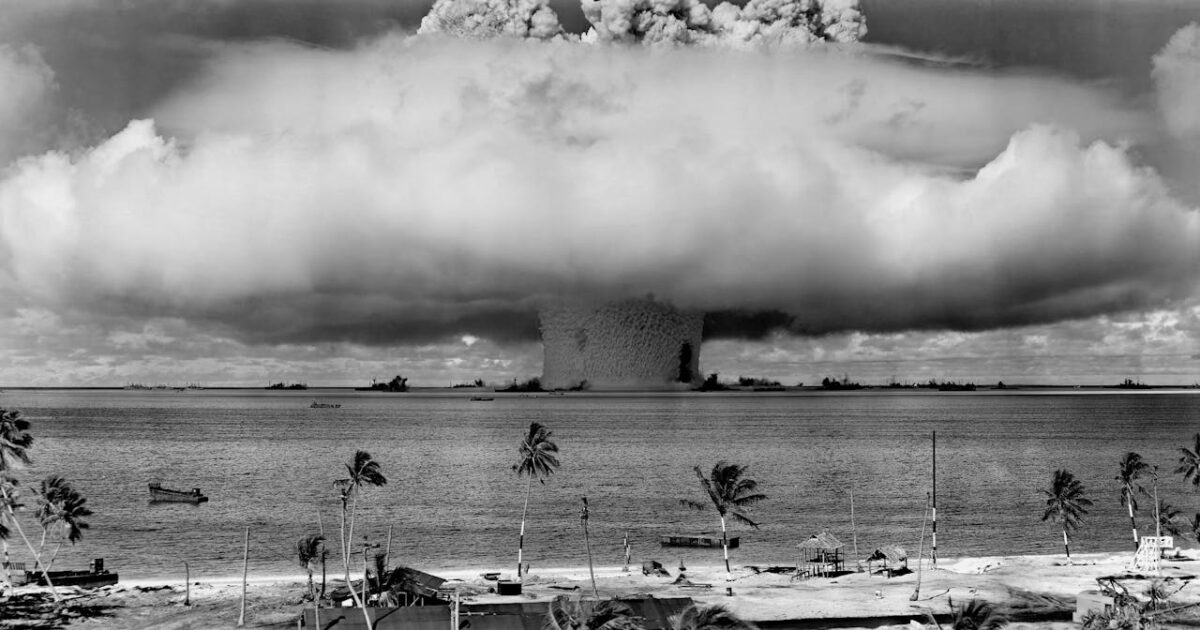
Operation RYaN and the Able Archer 83 scare revealed a terrifying truth about the Cold War. Sometimes, the world did not need a planned nuclear attack to approach disaster. It only needed fear, bad signals, and leaders convinced the other side might strike first.
The Soviet Union launched Operation RYaN to detect signs of a possible Western nuclear attack, and NATO’s Able Archer 83 exercise later looked dangerous enough to feed those fears. The National Security Archive describes RYaN as a Soviet intelligence effort to detect and possibly preempt a Western first strike, showing how suspicion itself nearly became a weapon.
Conclusion
The dark history of Cold War operations reminds us that secrecy can make powerful nations behave like frightened gamblers. Each side claimed it was defending freedom, survival, security, or balance, yet many operations harmed civilians, toppled governments, tested human limits, or dragged the world closer to catastrophe. The Cold War was cold only in name. Beneath the surface, it burned with paranoia, ambition, and moral compromise.
These operations still matter because they show what fear can do when it enters government rooms and wears the mask of strategy. The past becomes more than history when it teaches us how easily “national security” can become a blank check. The real lesson is not that one side was always pure and the other was always evil. The lesson is sharper than that: when nations convince themselves that survival excuses anything, the shadows become very crowded.