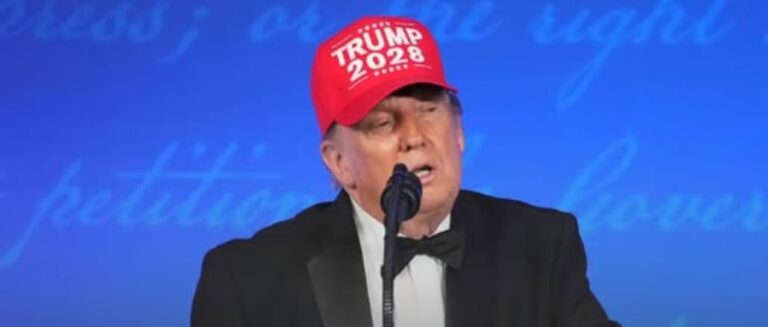
Nancy Pelosi’s Latest Trump Attack Sparks Political Firestorm Over “Loser” Remark
Nancy Pelosi has never been known for holding back when criticizing Donald Trump, and another clash between the longtime Democratic leader and the president has reignited the familiar battle between two of Washington’s most recognizable political figures.
A claim that Pelosi called the president a “loser” quickly spread online, drawing reactions from supporters and critics on both sides of the political divide. However, the exact context and wording of the alleged remark are important, as political statements are often reshaped as they move across social media.
Pelosi, the former Speaker of the House and one of the most influential Democratic figures of the modern era, has repeatedly challenged Trump’s leadership, policies, and public statements. Her critics argue she represents an older political establishment, while her supporters view her as one of the party’s strongest voices against Trump.
Pelosi and Trump’s Long History of Political Battles
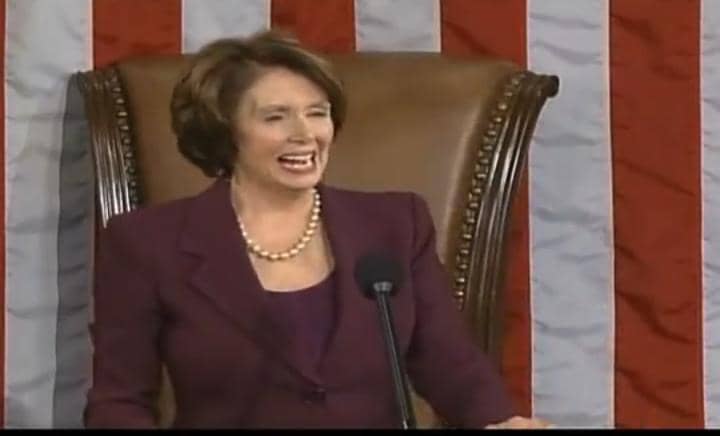
The relationship between Nancy Pelosi and Donald Trump has been defined by years of public disagreements, sharp exchanges, and competing visions for the country.
During Trump’s first presidency, Pelosi frequently criticized his economic decisions, foreign policy choices, and approach to governing. In one widely reported 2017 comment, Pelosi referred to Trump as a “job loser” while criticizing his record during his early months in office.
The two politicians also became central figures in some of the most intense political battles in Washington, including impeachment proceedings and disputes over government priorities.
Pelosi has continued to criticize Trump after leaving the role of House Speaker, using speeches, interviews, and public statements to challenge his leadership. In a 2026 statement marking the anniversary of the January 6 Capitol attack, Pelosi again accused Trump of undermining democratic principles, saying the events represented an assault on “the rule of law” and the peaceful transfer of power.
Trump and his allies have repeatedly pushed back against Pelosi’s criticisms, portraying her as a symbol of Democratic opposition rather than an objective political voice.
Why the “Loser” Label Became a Political Flashpoint
Political insults are nothing new in Washington, but words like “loser” often attract attention because they are personal rather than policy-focused.
For Trump’s supporters, attacks from Pelosi are viewed as evidence of continued hostility from Democratic leaders. They argue that critics have spent years trying to discredit Trump rather than focusing on his policies.
For Pelosi’s supporters, however, her criticism reflects a broader disagreement over Trump’s leadership style and decisions while in office. They see her comments as part of a larger political debate about accountability and the direction of the country.
Pelosi has previously used strong language when discussing Trump. In a 2026 interview, she criticized what she described as his approach to presidential power and argued that leaders must respect constitutional limits.
The ongoing rivalry between the two figures has become a symbol of the deep political divide in America. Even after decades in public life, Pelosi remains one of Trump’s most outspoken opponents.
A Political Rivalry That Continues to Define Washington
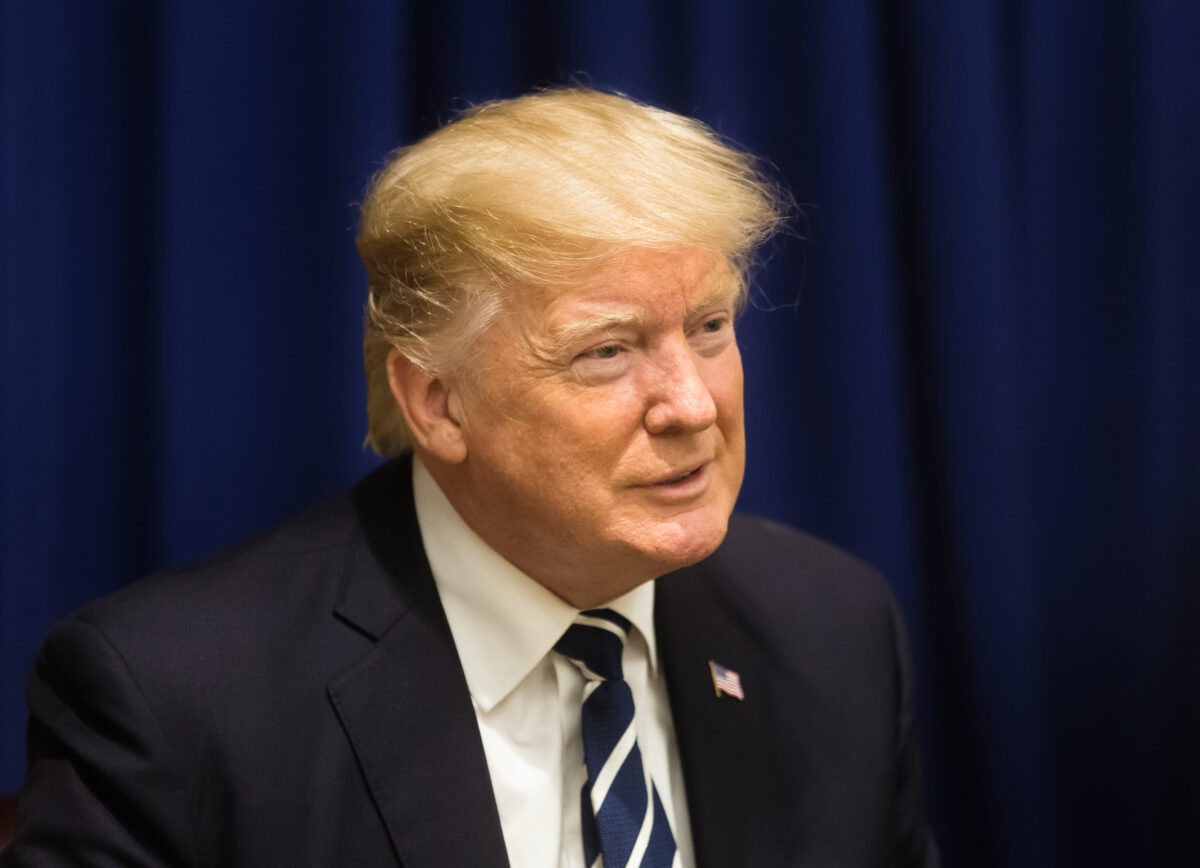
Nancy Pelosi’s career has placed her at the center of major moments in American politics. She became the first woman to serve as Speaker of the House and spent decades shaping Democratic strategy in Congress.
Trump, meanwhile, has built much of his political identity around challenging figures like Pelosi and presenting himself as an outsider fighting against Washington’s traditional leadership.
Whether the “loser” comment was meant as a direct insult or became amplified through political discussion, the reaction shows how quickly statements involving Trump and Pelosi can become national conversations.
Their rivalry represents more than a personal disagreement. It reflects two competing political movements, two different views of leadership, and a divide that continues to shape American politics.