Canned Foods That Vanished From Stores for Surprising Reasons
Remember when grocery store shelves were packed with canned foods that seemed like they would be around forever? From quick after-school lunches to pantry staples that saved dinner on busy weeknights, these products were part of everyday American life. Then, almost without warning, some disappeared.
Surprisingly, not every disappearance came down to poor sales. Some products fell victim to changing tastes, packaging concerns, production challenges, or corporate decisions. Others were simply too unusual to survive.
In fact, the Food and Drug Administration announced in July 2025 that it was eliminating outdated standards for 11 canned fruit and vegetable products no longer sold in the United States.
Here are some canned foods that disappeared from American grocery shelves, and the interesting stories behind them.
Chef Boyardee Pac-Man Pasta
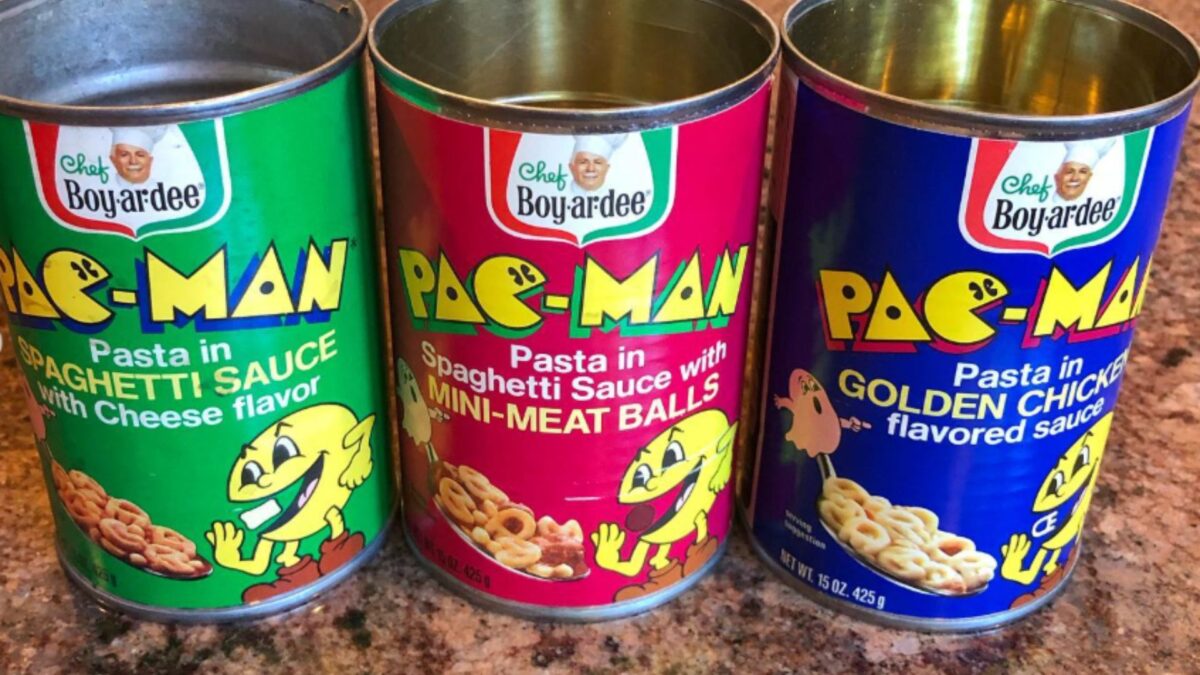
Few things captured American childhood in the 1980s quite like Pac-Man. The arcade character appeared on everything from toys to breakfast cereals, so a canned pasta version seemed almost inevitable.
Chef Boyardee introduced pasta shaped like Pac-Man characters, including the famous ghosts and dots. It was an imaginative way to turn a convenient meal into something children recognized from their favorite video game.
But entertainment trends rarely last forever.
As the original Pac-Man craze faded, the themed pasta eventually disappeared, reportedly by the early 1990s. While a definitive company explanation is unavailable, its brief lifespan demonstrates the risk of building a food product around a passing cultural phenomenon.
The game survived for generations. The canned pasta wasn’t quite so lucky.
Campbell’s Pepper Pot Soup
For more than a century, Campbell’s Pepper Pot Soup brought a taste of Philadelphia history into American kitchens. Made with beef tripe, vegetables, and spices, it was a distinctive comfort food with roots in the city’s culinary traditions.
Campbell’s discontinued the soup in the United States in 2010, ending a product tradition dating back to 1899. Its unusual ingredients may have limited its appeal to modern shoppers, although the company did not publicly establish that as the specific reason.
According to Philadelphia public radio station WHYY, the soup still had devoted fans who appreciated its rich flavor and historical significance. Its disappearance showed how even a century-old recipe could lose its place in the modern grocery aisle.
Related: 15 Foods From the ’60s Most Boomers Loved With a Passion
Hunt’s Snack Pack Pudding in Metal Cans
Imagine opening a can of chocolate pudding instead of peeling the lid off a plastic cup. For generations of Americans, that was completely normal.
Hunt’s Snack Pack pudding originally came in small metal cans, making it an easy treat for lunchboxes and family desserts.
But the packaging had an unpleasant drawback. The metal edges could be sharp, especially when children tried scraping out the last spoonful.
By 1984, the company had moved away from aluminum cans in favor of plastic containers. The pudding itself survived, but its familiar metal packaging disappeared.
Unlike many discontinued grocery products, this change wasn’t about an unpopular flavor. It was about finding a better way to package a snack Americans already loved.
Related: 28 Foods We Believe Have Earned Their Fame
Chef Boyardee Roller Coasters
During the 1970s, Chef Boyardee decided ordinary pasta shapes weren’t exciting enough for kids.
The result was Roller Coasters, a canned pasta featuring amusing, curved noodles and miniature meatballs. Introduced in the mid-1970s, it offered children something playful at lunchtime.
However, the novelty wasn’t enough to keep it on shelves indefinitely. By the late 1980s, Roller Coasters had been discontinued.
Although the company did not publicly document a detailed reason, the product’s relatively short run illustrates the challenge of turning a fun food idea into a lasting grocery staple.
Today, its colorful packaging and unusual pasta shapes remain a nostalgic reminder of childhood meals from decades past.
Artificially Sweetened Canned Peaches
Perhaps the most unexpected disappearance involves a product that became so obscure that federal regulators eventually removed its outdated labeling standard.
In September 2025, the FDA’s decision to eliminate standards for 11 canned fruit and vegetable products took effect. Among them were canned peaches artificially sweetened with saccharin or sodium saccharin.
The FDA reviewed supermarket purchasing information, commercial product databases, and online listings but found no evidence that the affected products were still being sold.
Importantly, the decision did not eliminate all reduced-sugar canned peaches. It specifically addressed the older saccharin-based product standard.
The agency also determined that removing the obsolete rules would not impose costs on manufacturers because no companies were producing the affected products. It’s a rare example of a canned food disappearing so completely that the government eventually retired the regulations written for it.
Franco-American Macaroni and Cheese
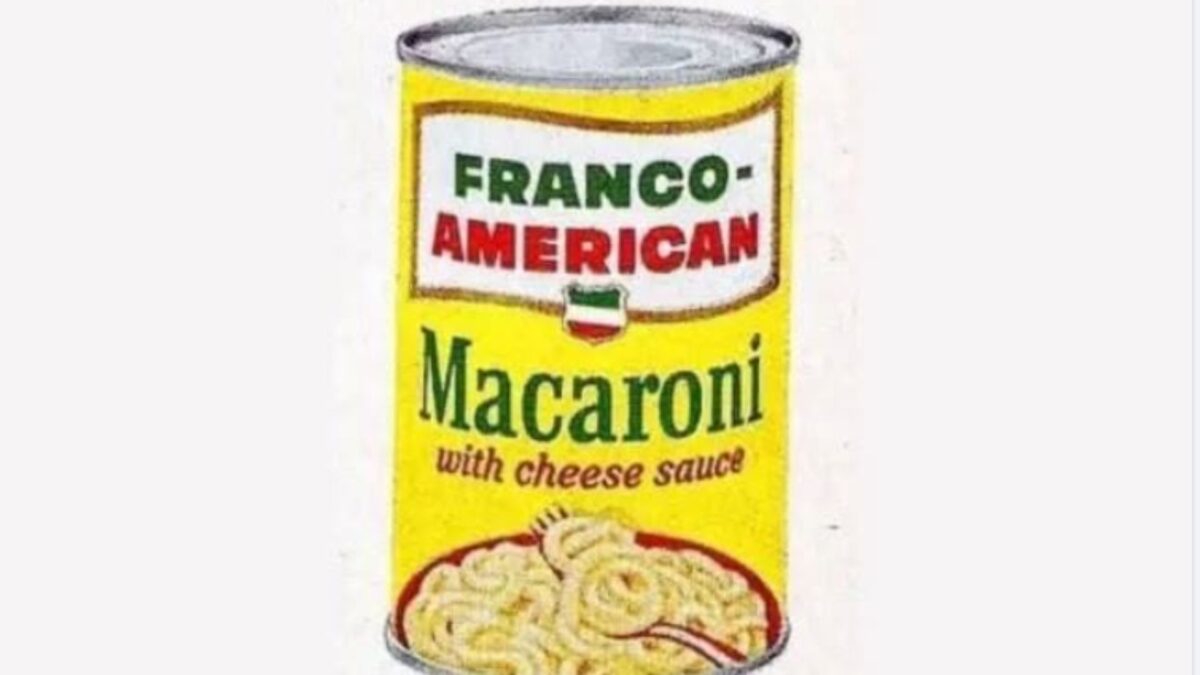
Long before microwavable macaroni cups became a lunchtime favorite, Americans could buy macaroni and cheese in a can.
Franco-American introduced its version in 1939, offering noodles covered in creamy cheese sauce without the hassle of preparing a traditional recipe. It became a convenient meal for families who wanted something quick on the table.
However, Campbell’s eventually discontinued the product in 2004. The exact business reasoning was never publicly confirmed, though it disappeared as shoppers had plenty of other convenient macaroni and cheese options.
For longtime customers, it wasn’t simply another discontinued product. It was a reminder of an era when opening a can could mean dinner was practically ready.
Why Familiar Canned Foods Keep Disappearing
The disappearance of these products reveals something surprising about America’s grocery industry: a product doesn’t have to be universally disliked to vanish.
Campbell’s acknowledges that changing tastes, product sales, and limited supermarket shelf space all influence discontinuation decisions.
Sometimes the packaging changes, sometimes a cultural fad ends, and sometimes the economics of producing a familiar favorite no longer make sense.
And while grocery stores continue introducing new products, these forgotten cans remind us that convenience foods are also part of American family history.
After all, nothing brings back childhood memories quite like remembering a favorite food you can no longer find.