This Seafood Festival Is Using DNA Tests to Make Sure “Local” Really Means Local
There is something different about a seafood festival when the people serving the food have to prove where it came from. This year, North Carolina’s biggest seafood celebration is taking that idea surprisingly seriously, bringing DNA testing into the middle of a weekend built around fried shrimp, oysters, fish and the state’s coastal fishing culture.
The Seafood Comes With a Paper Trail Now
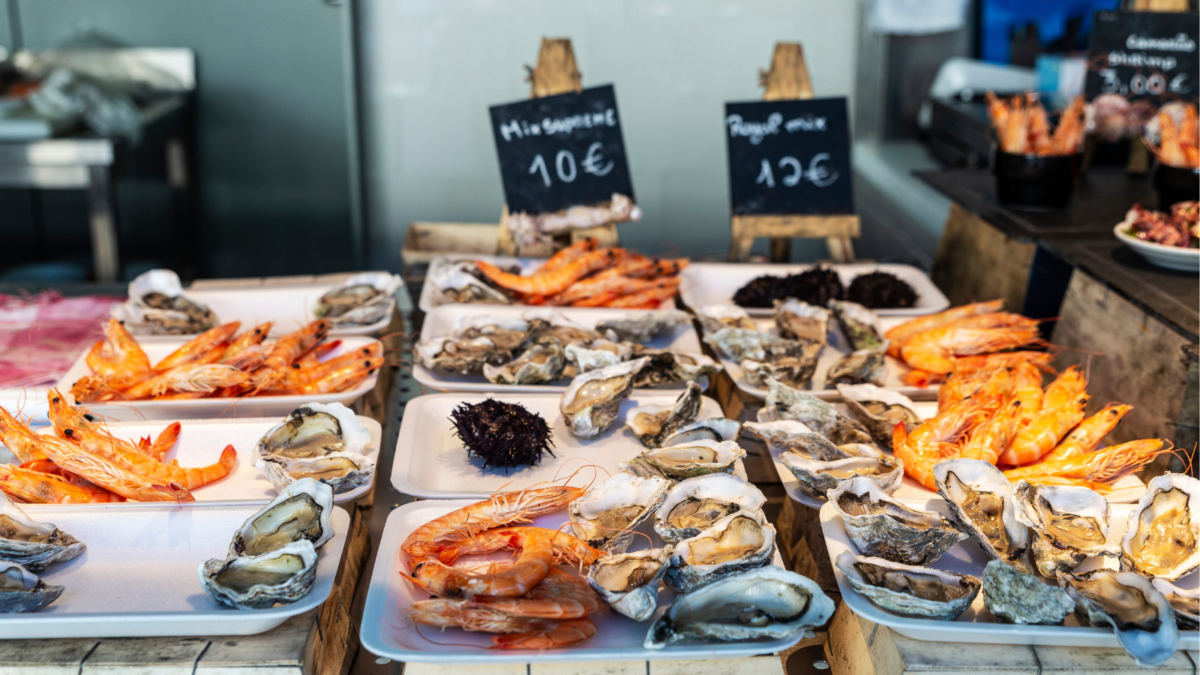
At this festival, saying your seafood is local is no longer simply a matter of putting it on the menu.
The 40th annual North Carolina Seafood Festival takes place October 2–4 in Morehead City, where thousands of visitors are expected to gather along the waterfront. Organizers have hired an outside organization to test seafood from all 40 festival vendors and check receipts and other documentation to determine where the products actually came from. The goal is to make sure seafood advertised as domestic comes from North Carolina or elsewhere in the United States rather than an overseas supplier, according to People’s report on the festival’s seafood DNA testing.
That level of scrutiny is remarkable for a food festival, but it fits the event’s purpose. The festival has been held on the Morehead City waterfront for decades and was created to celebrate North Carolina’s seafood industry and the commercial fishermen behind it.
DNA Testing Is the Part Nobody Expected at a Food Festival
Forget the usual sauce and fried-seafood judging—the laboratory is getting involved this time.
Under the festival’s rules, vendors must show that the seafood they sell meets domestic-sourcing requirements. Vendors who comply can receive recognition for serving local seafood, while violations can result in financial penalties and removal from the event. The move gives a whole new meaning to the familiar phrase “know where your food comes from.”
The timing is especially interesting because the festival is celebrating its 40th anniversary while fishermen are warning that the seafood industry itself is under pressure. WCTI’s report on the festival’s 40th anniversary and fishermen describes concerns about an industry trying to keep its traditions alive while facing growing pressure.
Related: New York Just Got a Seafood Bar With Shrimp in Almost Every Form You Can Imagine
The Festival Already Checked Vendors, This Is the Next Step
The DNA tests did not appear out of nowhere; organizers have been checking the local-food promise for years.
Earlier efforts included surveying vendors about where they bought their seafood, giving organizers a clearer picture of how much locally sourced product was actually being served. Now the festival is taking the process further by using independent testing rather than relying entirely on paperwork and vendor declarations.
That makes this year’s event particularly unusual. Undercurrent News reports that the festival is turning to DNA testing specifically to help ensure vendors are serving domestic seafood.
What Visitors Are Really Eating Matters
For the person standing at a waterfront food stand with a plate of seafood, this turns a simple meal into part of a much bigger story.
The festival isn’t just about shrimp baskets and fried fish. It brings together seafood vendors, cooking demonstrations, fishermen, boats, and visitors, creating a rare setting where consumers can see the industry behind the meal. That connection between food and everyday life is also why choosing nutrient-rich foods can mean more than simply thinking about what tastes good.
A seafood dinner can look wonderfully simple on a plate, but behind it are boats, processors, markets, weather, and fishermen whose livelihoods depend on consumers continuing to value the catch coming from American waters. For a coastal community, “local seafood” is not just a marketing phrase; it can be closely tied to people’s work and identity.
Forty Years Later, “Local” Has Become the Story
The most interesting thing about this anniversary may not be the fireworks or the food—it is the question of what “local seafood” actually means.
The festival’s decision to verify seafood through DNA testing puts that question directly in front of vendors and visitors. It also arrives at a moment when fishermen are raising concerns about the pressures facing the industry, making the celebration feel like both a party and a reminder of what is at stake.
Perhaps that is why this year’s festival feels bigger than another fall food event. It asks diners to look beyond the plate, understand where their seafood came from, and recognize the people who made that meal possible. Even small daily habits can begin with paying closer attention to the choices sitting right in front of us.
Would knowing that your seafood had been DNA-tested to verify its origin make you more interested in trying it at a festival?