Same Food Name, Completely Different Bite: How Global Dishes Transform
Have you ever ordered a “pizza” abroad and received something that looked nothing like the slice you grew up eating? Or tried sushi in another country and wondered why it came covered in sauces, avocado, or cream cheese? Welcome to the fascinating world of food adaptation.
When a dish crosses borders, it rarely stays exactly the same. Cooks adjust recipes based on local ingredients, available equipment, budgets, religious traditions, eating habits, and customer preferences. These changes do not automatically make a dish “fake.” In many cases, they create entirely new food traditions with their own stories and loyal fans.
Here are some delicious examples of foods that changed dramatically as they traveled around the world.
Pizza: From Simple Italian Classic to Giant American Slice
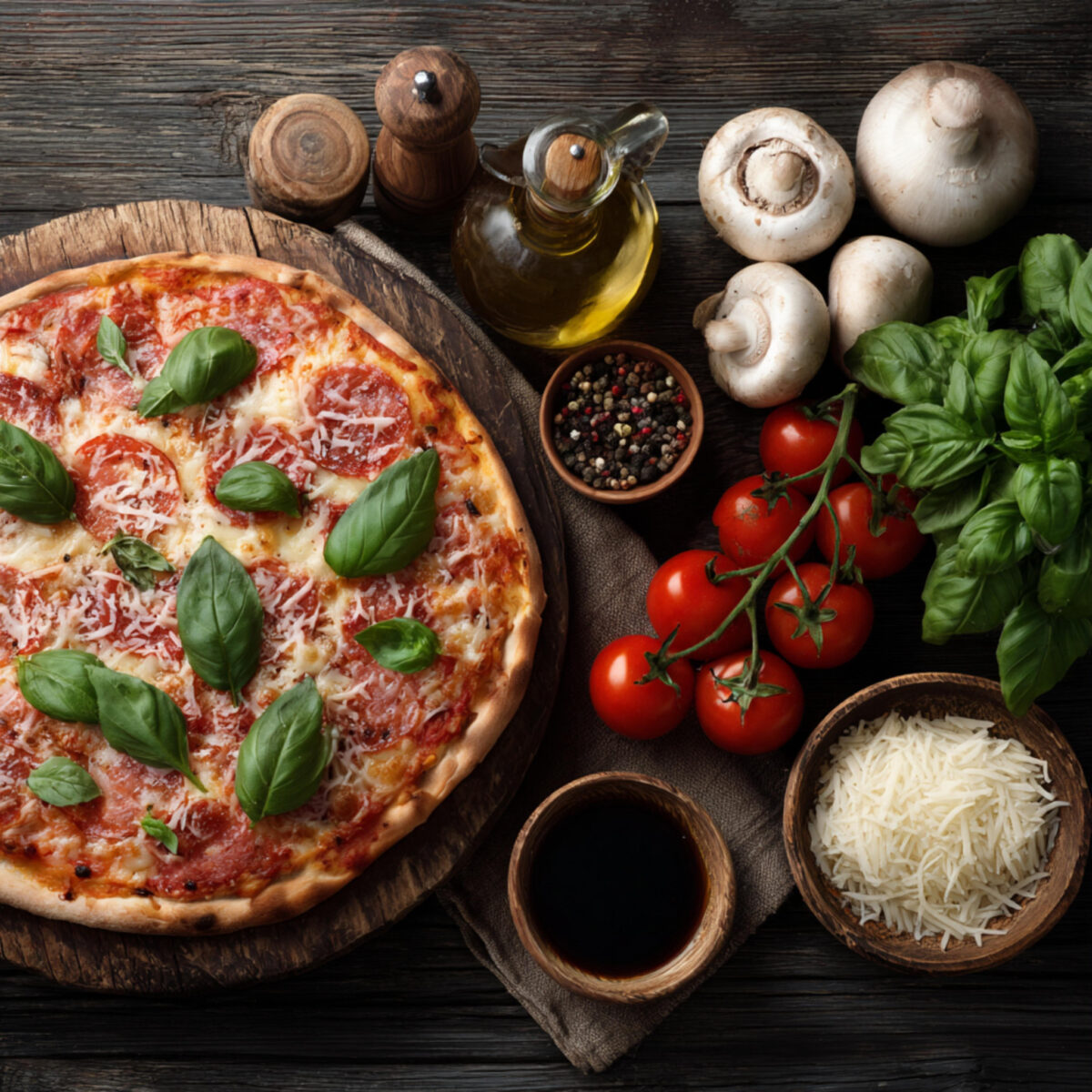
Pizza is one of the easiest examples to spot. Traditional Neapolitan pizza from Naples, Italy, is all about simplicity: a soft dough made with flour, water, salt, and yeast, topped with ingredients like tomato, mozzarella, basil, garlic, oregano, and olive oil. It is usually cooked quickly at very high heat, creating a crust that is puffy around the edges but soft in the middle.
New York-style pizza tells a different story. It is larger, sold by the slice, crispier underneath, and usually loaded with more cheese. Italian immigrants, American ovens, and New York City’s fast-paced slice-shop culture shaped it. The result is not “less Italian”,it is Italian-American food with its own history.
Curry: A Journey Through Multiple Cultures
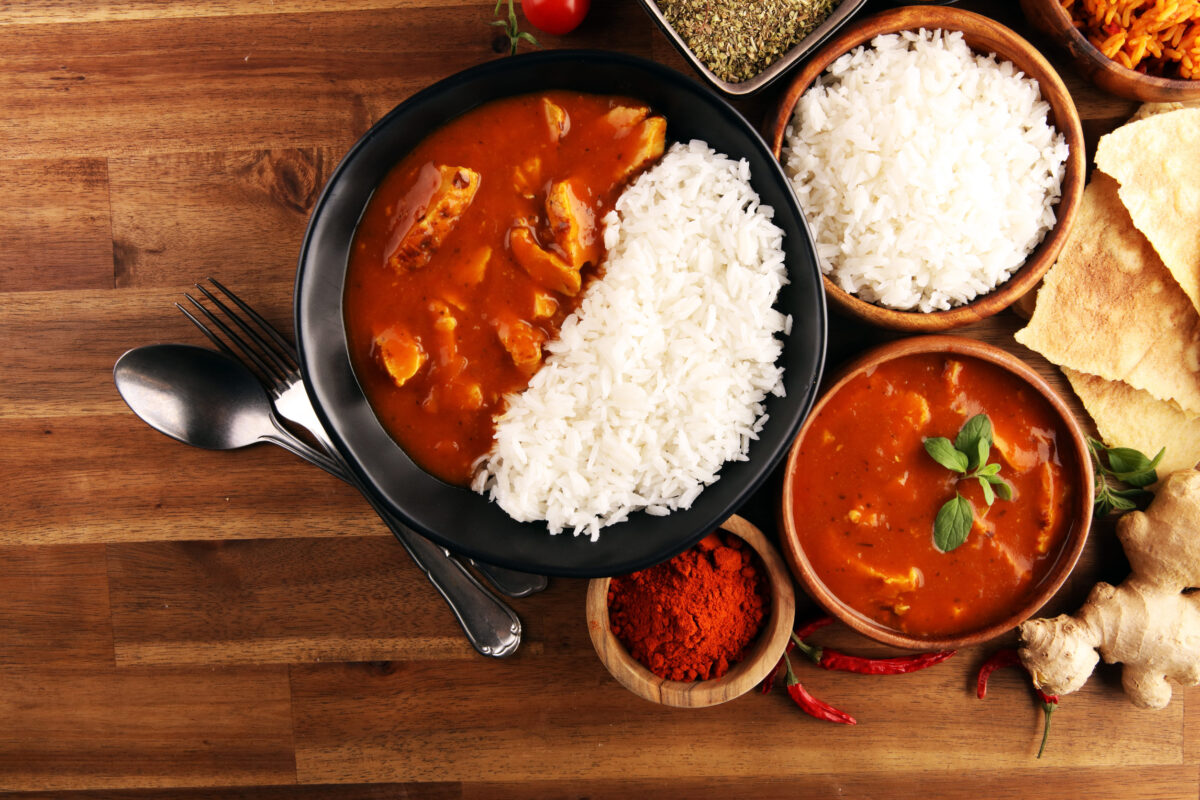
The word “curry” can be misleading because no single Indian curry exists. Indian cuisine includes countless regional dishes that may be spic y, mild, creamy, dry, tomato-based, coconut-based, vegetarian, or meat-focused. Many develop flavor through layers of spices, onions, ginger, garlic, and herbs.
Japanese curry took a completely different path. Japanese curry rice is usually a thick, comforting stew made with vegetables and meat, often using a packaged curry roux. Compared with many Indian curries, it is sweeter, milder, and less focused on intense chile heat.
Its history is even more surprising: curry traveled through Britain before arriving in Japan, where Japanese cooks transformed it into a popular everyday comfort food.
Sushi: From Seafood Focus to Creative Rolls
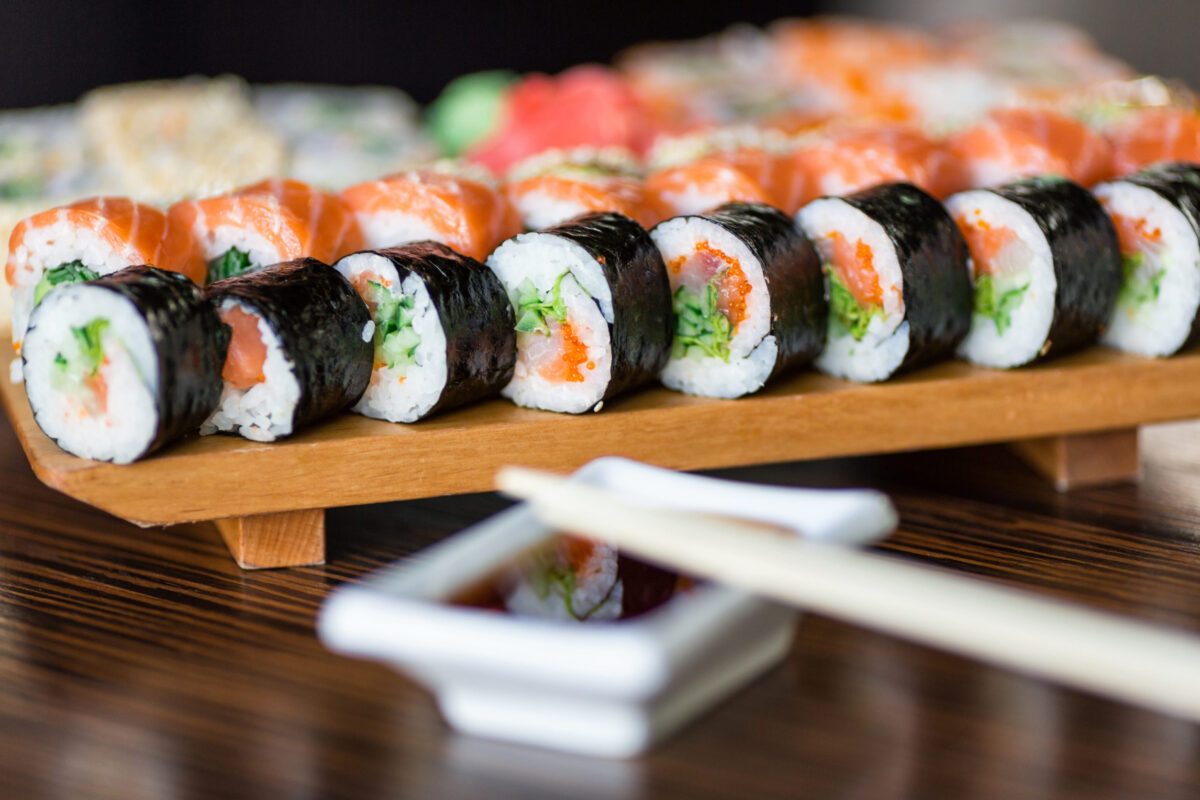
Traditional Japanese sushi often highlights ingredient quality, especially vinegared rice and seafood. Nigiri, for example, balances rice, fish, wasabi, and soy sauce.
American sushi developed a different personality. The California roll introduced ingredients such as avocado and imitation crab, making sushi more approachable for diners unfamiliar with raw fish or seaweed. Many American-style rolls later added sauces, fried ingredients, and richer flavors.
The result reminds us that food often evolves when cultures meet.
Tacos: Soft Mexican Tradition Meets Crunchy American Style
In Mexico, tacos are usually built around soft corn tortillas filled with ingredients like grilled meats, seafood, vegetables, stews, onions, cilantro, lime, and fresh salsa. The tortilla itself contributes an important corn flavor through traditional preparation methods.
The familiar American hard-shell taco is a different creation. It often includes crunchy shells, seasoned ground beef, shredded lettuce, cheese, sour cream, and taco sauce. This style reflects American ingredients, fast-food culture, and the popularity of convenient, easy-to-package meals.
It is better understood as Mexican-American food rather than simply a wrong version of a taco.
Fried Chicken: Two Countries, Two Different Crisps
Southern American fried chicken is known for juicy meat and a thick, seasoned coating. It often uses flour, spices, and sometimes buttermilk marinades before frying.
Korean fried chicken takes crunch in another direction. It is often coated more lightly, fried twice, and finished with flavors like soy-garlic or sweet-spicy sauces made with ingredients such as gochujang, garlic, and sugar.
The contrast is easy to imagine: one is rugged and savory, the other is thin, glossy, and intensely flavorful.
The Bigger Lesson: Food Is Always Moving
Pizza, sushi, tacos, curry, and other dishes show that food is not frozen in time. Recipes travel with people, and people adapt food to fit their new homes.
A dish can carry memories from one country while also reflecting another’s creativity. A California roll, a bánh mì sandwich, Japanese curry, or a New York pizza slice is not simply a copy of something else,it shows how cultures interact and create something new.
So the next time a familiar dish looks completely different in another country, do not ask, “Is this real?” A better question might be: “What story does this version tell?”
Because sometimes the biggest changes in food create the most interesting flavors.
Other Posts You May Like
- 10 American Foods That Make Visitors Scratch Their Heads- But Many Americans Still Love
- The Salad That Gets Better Overnight and It’s the Smartest Thing You Can Make This Week
- If you like what you just read, then subscribe to our newsletter and follow us on social media.