9 Common Cooking Mistakes And How To Fix Them
Cooking is often described as both an art and a science. While some people create delicious meals effortlessly, many home cooks struggle with bland flavors, dry meat, soggy vegetables, or dishes that don’t turn out as expected. The good news is that most cooking mistakes are common, easy to identify, and even easier to fix.
Whether you are a beginner learning your way around the kitchen or an experienced cook trying to improve your skills, understanding these everyday mistakes can help you prepare better meals and gain more confidence.
Not Reading the Recipe Before Cooking
One of the most common mistakes happens before the cooking even begins. Many people start preparing a dish without reading the entire recipe carefully. This can lead to missing ingredients, incorrect cooking times, or discovering halfway through that you overlooked a key step.
Professional chefs often emphasize preparation, sometimes called “mise en place,” which means measuring, chopping, and having ingredients ready before cooking.
How to fix it:
Take a few minutes to read the full recipe from beginning to end. Gather all ingredients, check cooking instructions, and prepare what you need before turning on the stove. This simple habit can prevent unnecessary stress and mistakes.
Overcrowding the Pan
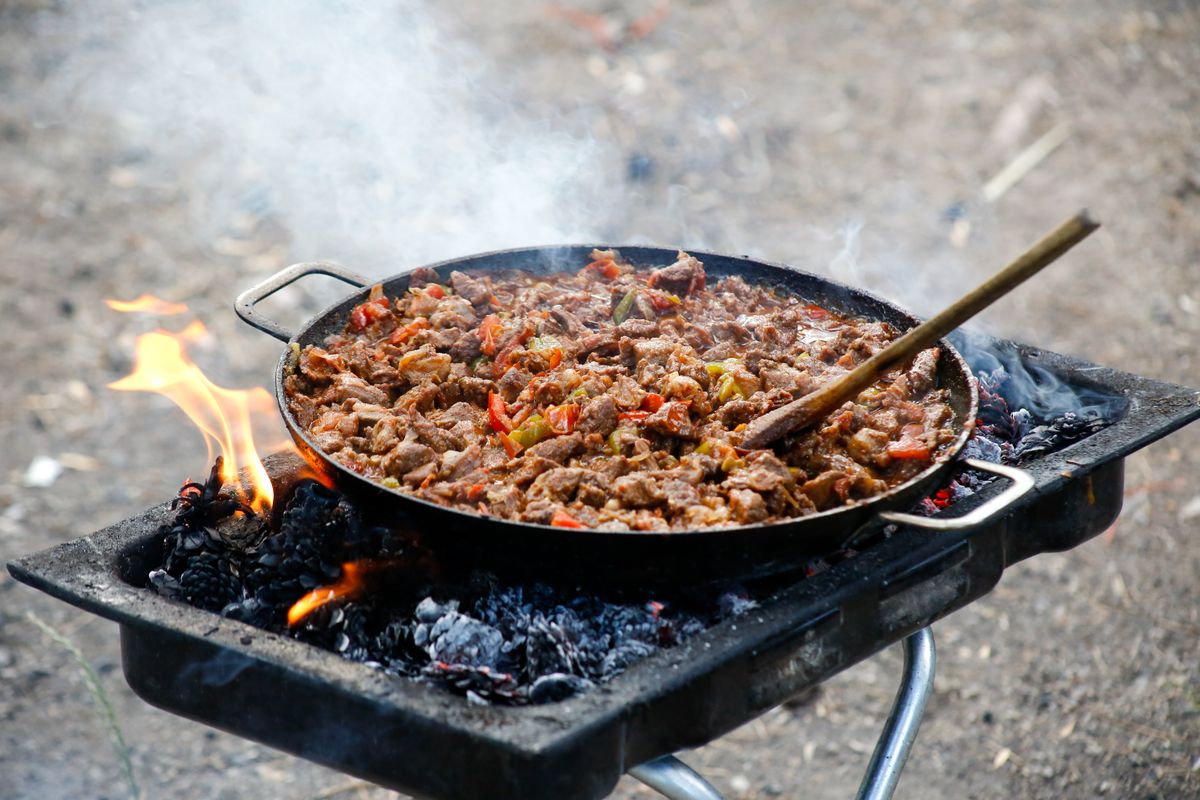
A common mistake when frying or sautéing is putting too many ingredients in the pan at once. While it may seem faster, overcrowding lowers the pan’s temperature and causes food to steam instead of brown.
This is why vegetables may come out watery and meats may fail to develop that flavorful golden crust.
How to fix it:
Cook in smaller batches when necessary. Give ingredients enough space so heat can circulate properly. If you are cooking meat, allow each piece to touch the hot surface instead of stacking pieces together.
Using the Wrong Cooking Temperature
Temperature plays a major role in the final result of a meal. Cooking at heat that is too high can burn the outside while leaving the inside undercooked. Cooking at very low temperatures may result in food that is pale, tough, or lacking flavor.
For example, a steak cooked too quickly over extreme heat may become dry, while vegetables cooked without enough heat may lose their texture.
How to fix it:
Learn how different cooking methods work. High heat is useful for quick searing, while lower temperatures are better for slow cooking and delicate foods. Adjust the heat as you cook instead of leaving the stove at one setting.
Not Seasoning Food Properly
Many disappointing meals are not caused by bad ingredients but by a lack of seasoning. Some cooks add too little salt, avoid spices, or only season food at the end.
Seasoning helps bring out the natural flavors of ingredients. Without it, even a well-prepared dish can taste flat.
How to fix it:
Season gradually throughout the cooking process rather than adding everything at the end. Taste your food as you go, and remember that herbs, spices, acids like lemon juice, and ingredients such as garlic can add depth beyond salt alone.
Cutting Ingredients Unevenly
Uneven chopping is a small mistake that can have a big impact. When vegetables are cut into different sizes, some pieces may become overcooked while others remain undercooked.
A large piece of carrot and a tiny piece of carrot placed in the same pot will not soften at the same rate.
How to fix it:
Practice cutting ingredients into similar sizes. This helps food cook evenly and also makes dishes look more professional.
Ignoring the Importance of Preheating
Many home cooks place food into a pan or oven before it reaches the correct temperature. This can affect texture, cooking time, and flavor.
For example, putting chicken into a cold pan may prevent proper browning, while baking in an oven that has not fully heated can affect the rise and texture of baked goods.
How to fix it:
Give your oven and pans enough time to heat before cooking. A properly heated surface helps create better texture and more consistent results.
Constantly Turning or Moving Food
Patience is an important cooking skill. Some people repeatedly flip meat, stir constantly, or move food around the pan because they worry about burning it.
However, many foods need time to develop flavor. Moving them too often can prevent browning and make them break apart.
How to fix it:
Allow food to cook undisturbed for a while. Let a crust form on meat, allow vegetables to brown, and stir only when necessary.
Overcooking Meat
Dry, tough meat is one of the most common kitchen frustrations. Many cooks continue cooking because they are worried about food safety, but this can remove moisture and ruin texture.
How to fix it:
Learn proper cooking times and use a food thermometer when possible. Also, allow cooked meat to rest before cutting. Resting helps redistribute juices, keeping the meat more tender.
Using Dull Knives
A dull knife may seem safer because it feels less sharp, but it can actually make cooking more difficult and dangerous. Dull blades require more pressure, increasing the chance of slipping.
They also make it harder to cut ingredients cleanly.
How to fix it:
Keep knives sharp and maintain them regularly. A sharp knife improves control, speed, and accuracy in the kitchen.
The Secret to Better Cooking Is Learning From Mistakes
Every great cook has made mistakes in the kitchen. Burned meals, failed recipes, and unexpected results are all part of the learning process. The key is to pay attention, understand what went wrong, and adjust next time.
Cooking does not require perfection. It requires curiosity, patience, and a willingness to improve. By avoiding these common mistakes and applying simple fixes, anyone can create meals that are more flavorful, consistent, and enjoyable.
The next time something goes wrong in the kitchen, do not see it as a failure. See it as another lesson on the journey toward becoming a better cook.